























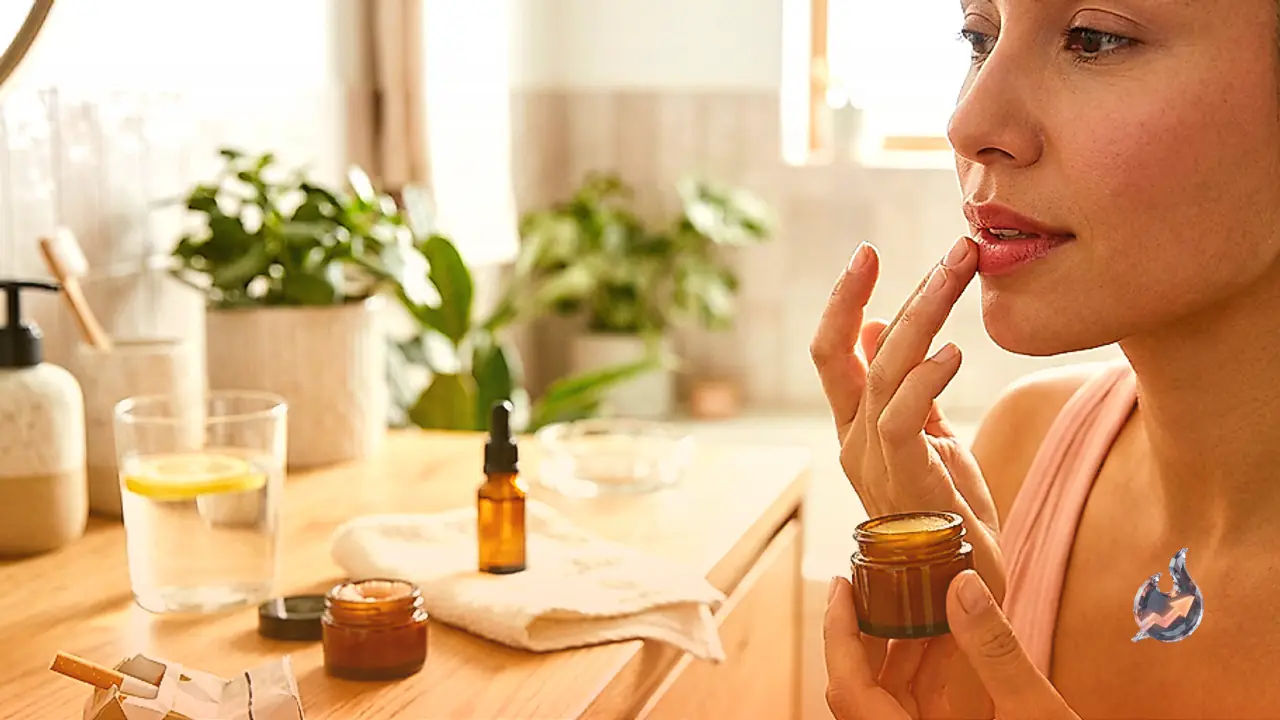

Smoking is widely considered detrimental to health in every possible way, posing risks that range from severe diseases to persistent skin pigmentation. This is precisely the primary reason why individuals who smoke regularly notice their lips turning dark over time. Dr. Chandani Jain Gupta, a dermatologist and aesthetic physician with an MBBS and MD at Elantis Healthcare in New Delhi, explains that the main factor behind smoking-induced darkened lips is an overproduction of melanin. Melanin is the natural pigment responsible for giving color to the skin, hair, and lips.
Smokers Melanosis And The Role Of Nicotine
When an individual smokes heavily, the harmful substances present in cigarettes stimulate the skin to produce excessive amounts of melanin. In medical terminology, this condition is referred to as smokers melanosis. As a result, dark brown or grayish patches begin to appear on the lips and sometimes even inside the oral cavity. A major contributing factor to this discoloration is nicotine, a substance released when a cigarette burns. When the delicate tissues of the lips come into direct contact with these harsh compounds, their color starts to deepen. Furthermore, the heat generated by smoking also causes irritation and dryness in the lips.
Oxygen Depletion And Collagen Damage
Prolonged smoking introduces harmful carbon monoxide into the body, which significantly reduces the blood capacity to carry oxygen and adversely affects tissue health. In addition, smoking damages vital structural proteins like collagen and elastin, which are essential for maintaining skin texture and elasticity. Consequently, the lips of smokers frequently appear dry, wrinkled, and prematurely aged. These cumulative internal effects alter the structural integrity of the lip tissue over extended periods of time.
The most effective method to restore the natural color of the lips is to stop smoking entirely. There is no alternative medicated lip balm, home remedy, or beauty treatment that can completely reverse the negative impacts of smoking on the lips. Quitting smoking reduces lip irritation and pigment production, leading to gradual improvement. However, the time required for the natural tone to return varies from person to person, and there is no guarantee that the original lip color will return completely.
Proper moisturization is essential for routine lip care. To achieve this, select lip balms containing ingredients such as petrolatum, shea butter, or ceramides. These elements help retain moisture, protect the skin barrier, and keep the lips soft and healthy. Regular hydration, sun protection, a balanced diet, and proper care can gradually enhance lip color and texture. Incorporate foods rich in vitamin C, vitamin E, and antioxidants into your daily diet while drinking adequate water throughout the day. If pigmentation persists despite quitting smoking and following a proper skincare routine, consulting a dermatologist becomes necessary.