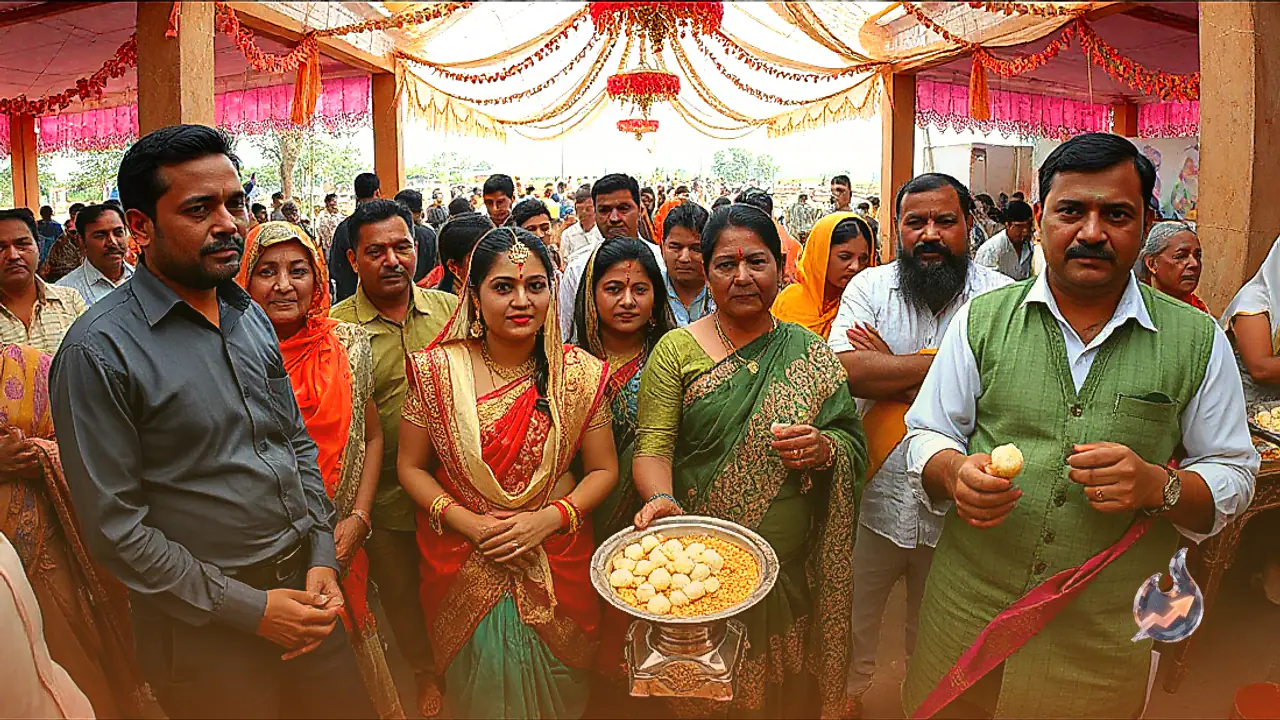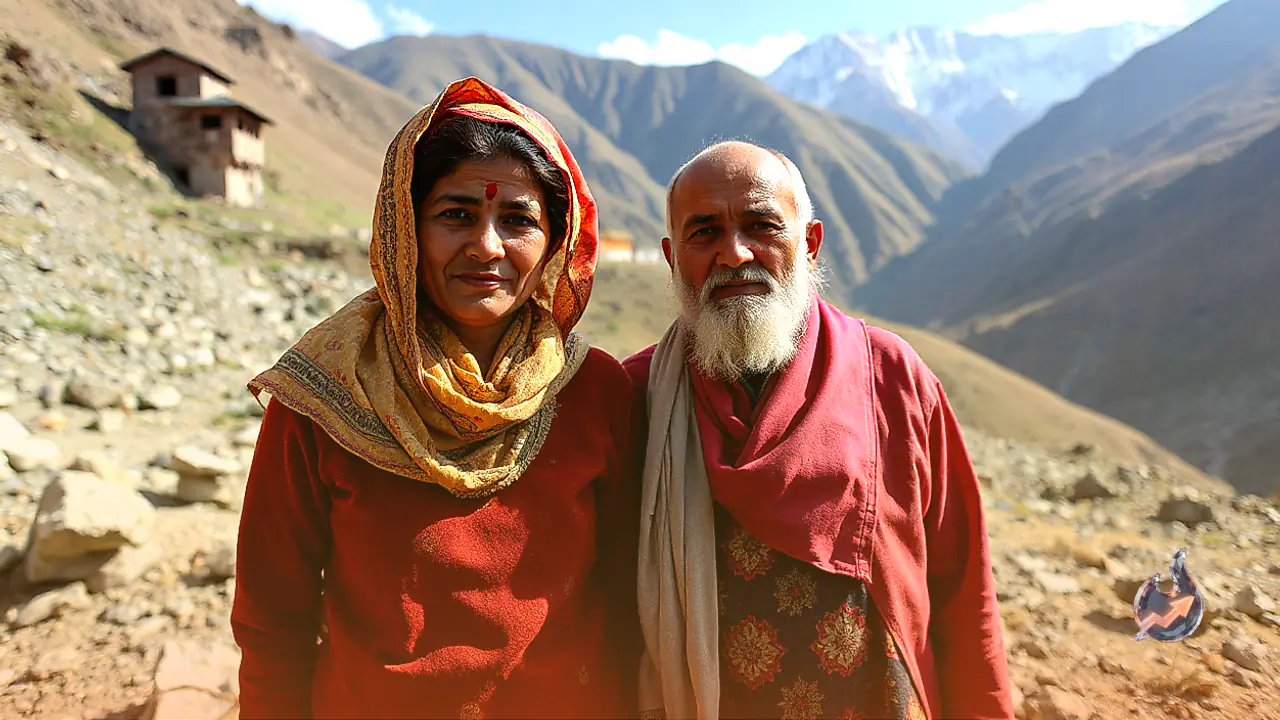

A rare marital arrangement in the Sirmaur district of Himachal Pradesh has sparked significant public interest, as a local woman has entered into matrimony with two biological brothers. While such unions appear unconventional in modern urban society, the family views this step as the continuation of an ancient regional practice. Sunita Chauhan, hailing from Kuhat village, is now known as Sunita Negi after settling with her marital household in Shillai village. The arrangement reflects an intersection of personal choice, mutual affection, and longstanding communal traditions.
The dynamics of the Jajra marital custom
Reflecting on her domestic life, Sunita Negi stated that the marriage was entirely voluntary and grounded in mutual affection. She fell in love with both brothers at the same time and subsequently consented to the union under their regional customs. During the traditional wedding ceremony, the sacred circumambulation rituals known as phere were formally conducted with only one of the brothers. However, under customary recognition, the marriage is regarded as binding with both siblings. Sunita, who is raising a child, noted that she shares equal affection with both spouses and that their household functions smoothly without internal discord.
Protecting ancestral land holdings and family cohesion
Sunita's spouses are Pradeep Negi, aged 35, and his younger brother Kapil Negi, aged 28. The ceremonial wedding rites were solemnized specifically with Pradeep. When discussing the rationale behind adopting the fraternal polyandrous union locally known as Jajra or Jodidar marriage, Pradeep highlighted key practical considerations. He noted that separate marriages inevitably lead to divided households, escalating living expenditures, and the fragmentation of inherited agricultural land. By choosing a joint union, the siblings aimed to maintain solid familial bonds while ensuring their property holdings remained intact across generations.
Return from Bahrain and establishing a joint restaurant
The familial partnership extends beyond the domestic sphere into commercial enterprise. At the time of the wedding, the younger brother, Kapil Negi, was employed abroad in Bahrain. He subsequently returned to his ancestral home to build a local livelihood alongside his family. Today, the two brothers jointly manage a dining establishment titled 'Jodidar Bhai Family Restaurant'. A prominent photograph showing both brothers alongside Sunita Negi is featured outside the premises. The family also shares moments from their daily life across social media platforms, with Kapil openly voicing deep fraternal dedication toward his sibling.
Mahabharata roots and modern community perspectives
The Jajra tradition has deep historical roots in Shillai and adjacent mountain settlements, where historical polyandry served as an economic and demographic adaptation. Many elderly residents trace the origins of this communal custom back to the epic era of the Mahabharata. Nevertheless, attitudes within the village are evolving with time and broader access to education. While several households continue to acknowledge the practice, a segment of local women openly critiques it. These dissenting voices argue that modern social ethics should prevail, maintaining that every woman ought to have only one husband.