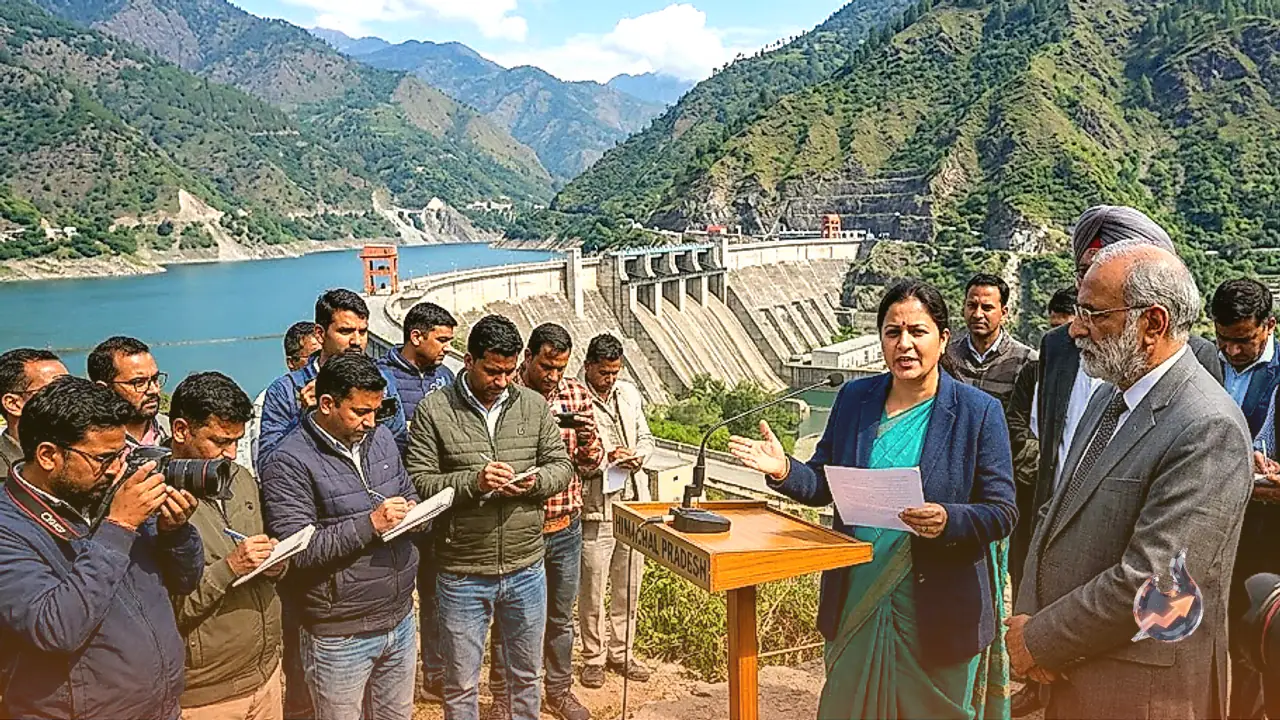

























In a major step towards enhancing public safety, the Bhakra Beas Management Board (BBMB) has successfully activated a robust and advanced alarming system along the stretch from the Pandoh Dam to Mandi town in Himachal Pradesh. Developed and installed at a cost of Rs 1.4 crore, this comprehensive new setup strictly adheres to the detailed guidelines laid out in the Dam Safety Act 2021. The proactive initiative is specifically designed to prevent tragic accidents by alerting both local residents and visiting tourists well before large volumes of water are discharged into the Beas River, ensuring they have sufficient time to evacuate the riverbanks.
Learning from Past Tragedies
The implementation of this critical safety mechanism is deeply rooted in the harsh lessons learned from a devastating past incident in the region. Previously, a group of 30 children visiting from Hyderabad were tragically washed away in Thalout, an area located just ahead of Mandi, following a sudden and unexpected water release from the Larji Dam. In addition to this horrific accident, the region frequently faces dangerous situations during the monsoon and severe floods where dam gates must be opened urgently to manage water levels. During such times, people often remained unaware of the rising water, but the newly installed alarm system aims to bridge this communication gap entirely and prevent any future loss of life.
How the Warning System Operates
The physical installation of the six alerting stations across the designated route was fully completed on April 30, and the entire network is now completely functional and active. According to BBMB Additional Superintending Engineer Chandramani Sharma, the core objective of the entire project is to guarantee that no untoward incident occurs with individuals who might have wandered near the riverbanks. Whenever authorities plan to release water from the Pandoh Dam, the automated system is triggered half an hour in advance. This crucial 30-minute window provides ample time for people living near the river, or tourists exploring the scenic area, to safely move far away from the water's edge.
Hooters and Voice Announcements
The new safety infrastructure relies on much more than just standard sirens to convey its urgent message. Chandramani Sharma explained that the six installations are uniquely equipped with provisions for both loud hooters and direct voice announcements. While the standard operating procedure involves sounding the hooter to alert the public about the impending water flow, the system can also broadcast specific voice messages during high-risk emergencies. These voice alerts can be either pre-recorded instructions or live announcements made directly by the authorities, offering them a highly flexible and effective way to communicate urgent safety directives to anyone remaining in the danger zone.