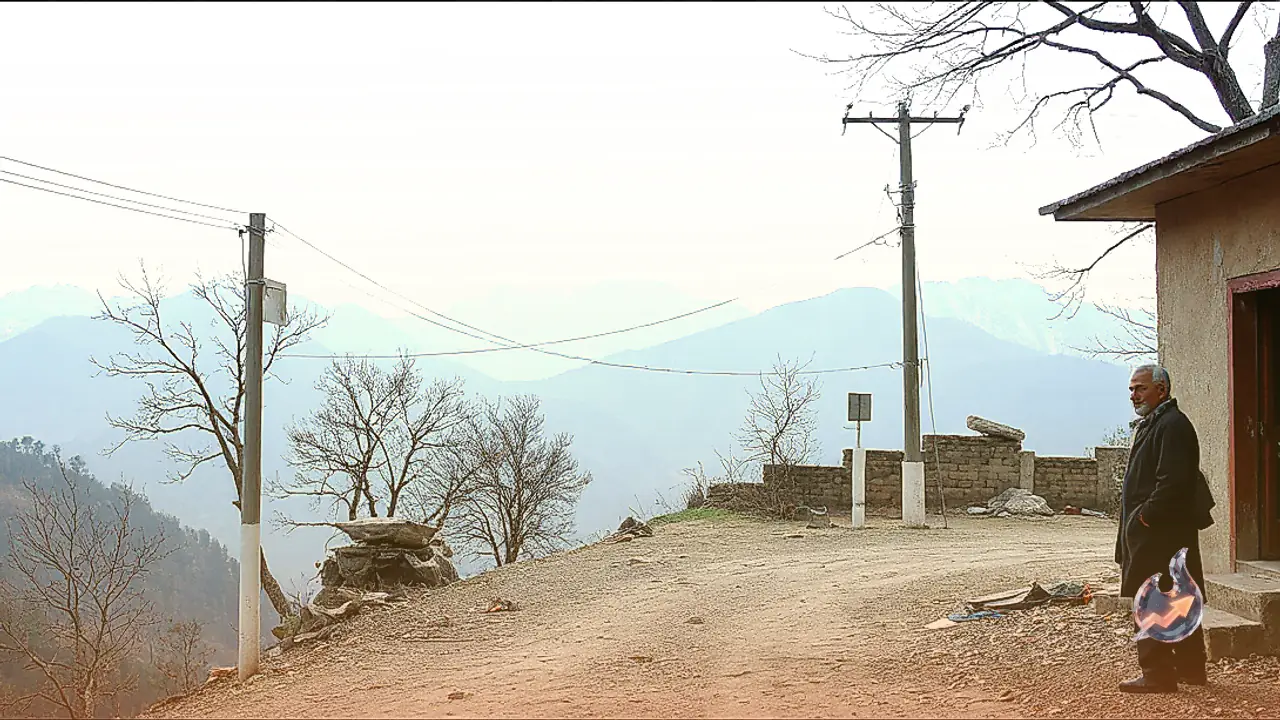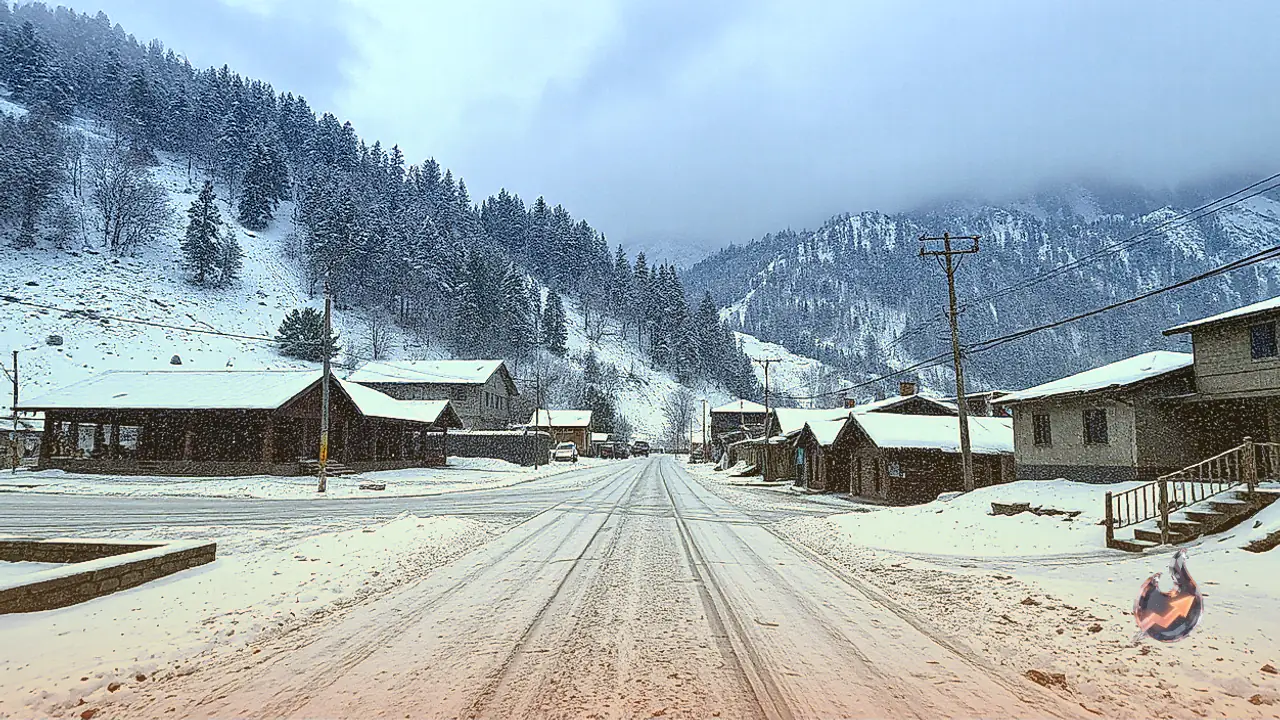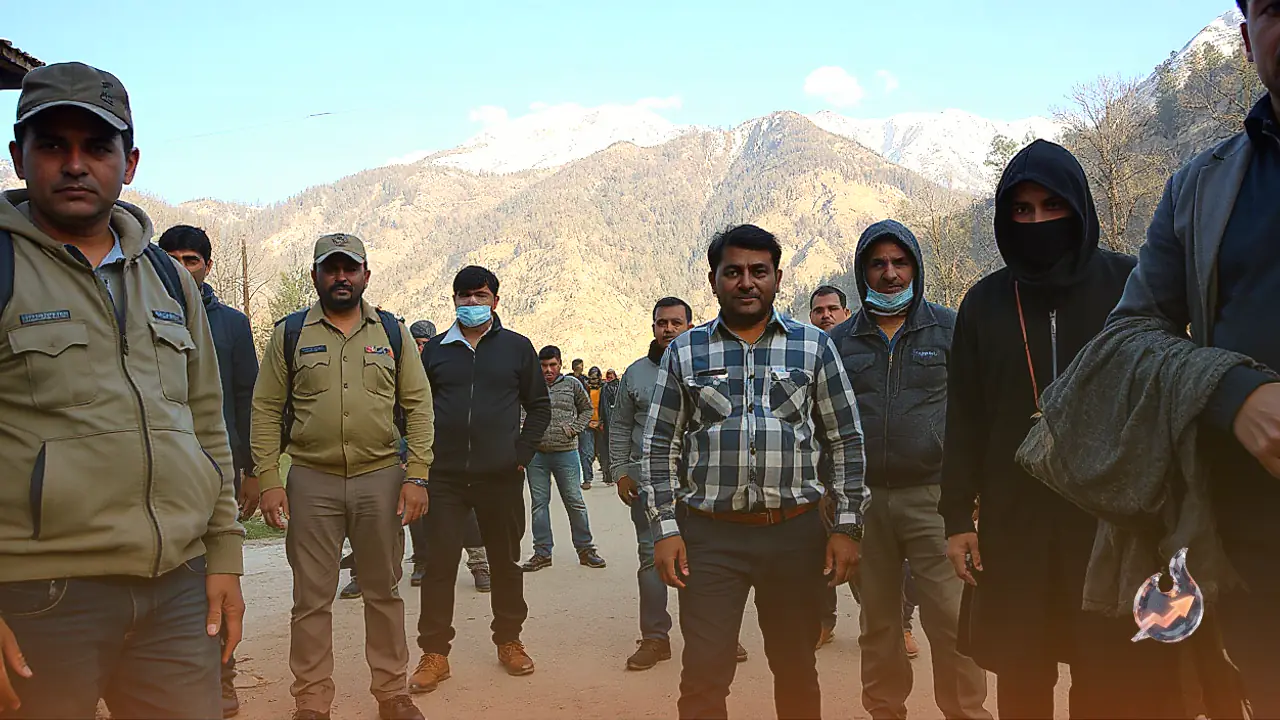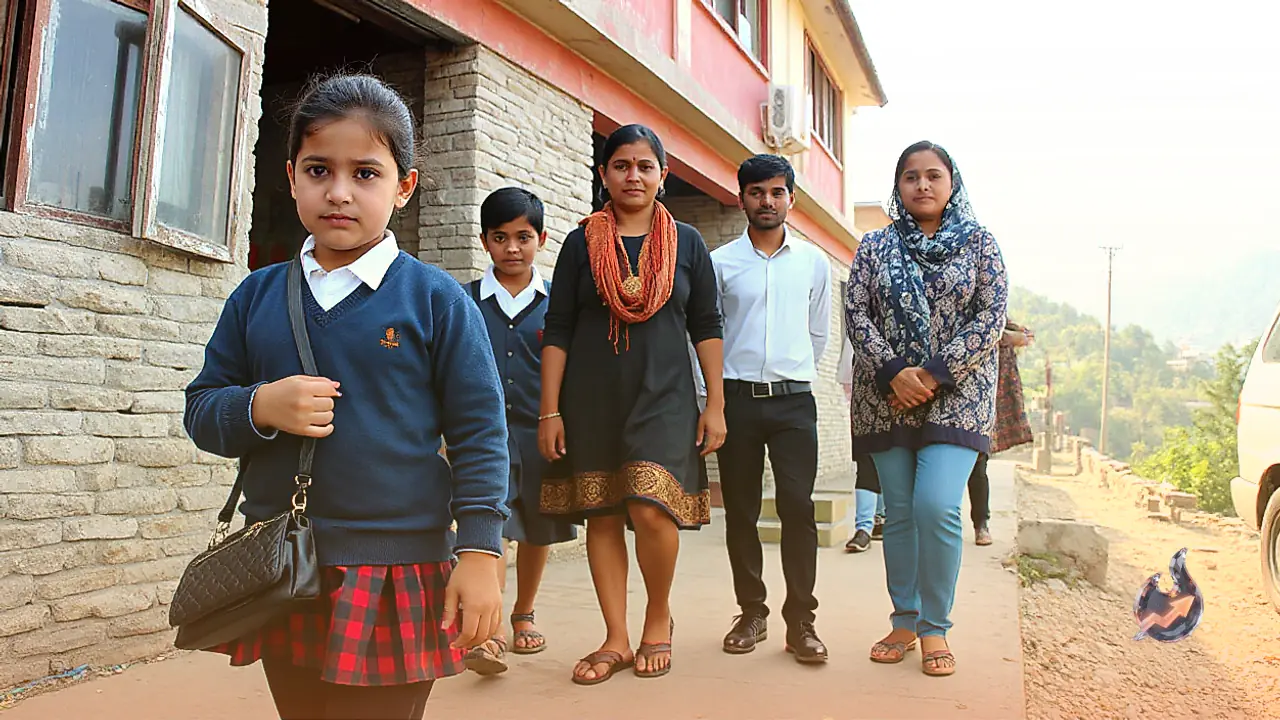
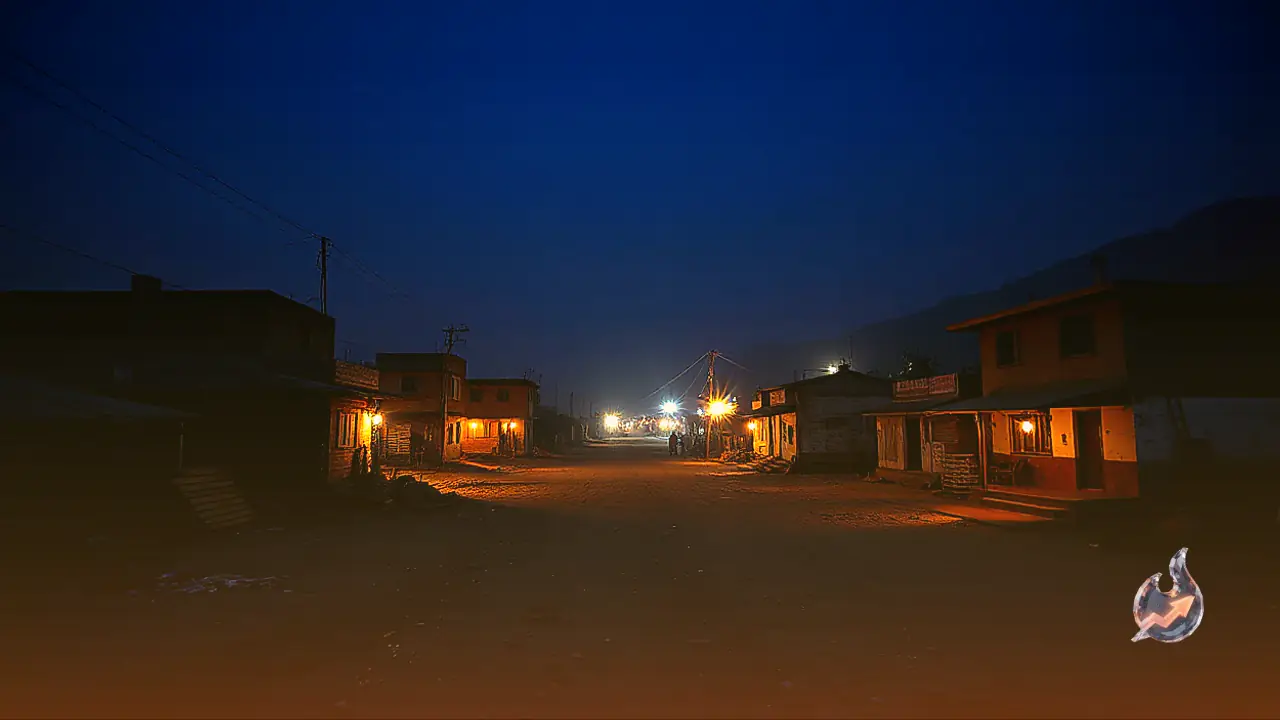
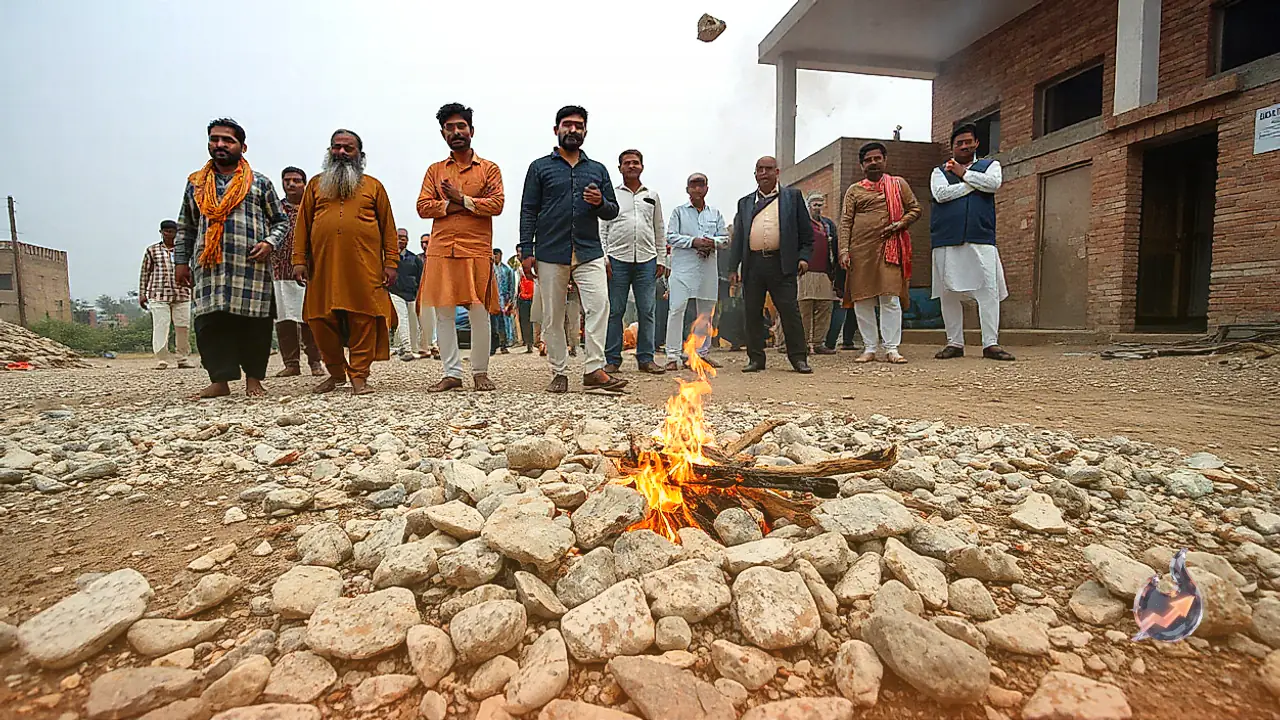



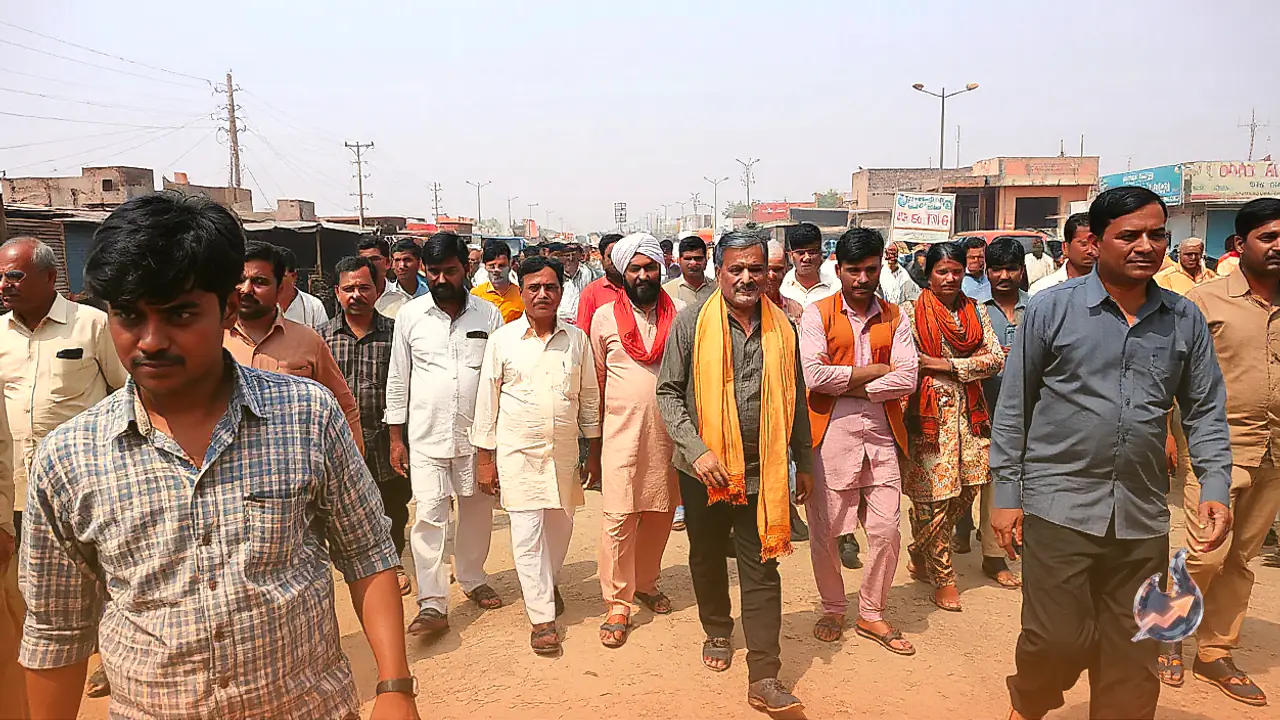
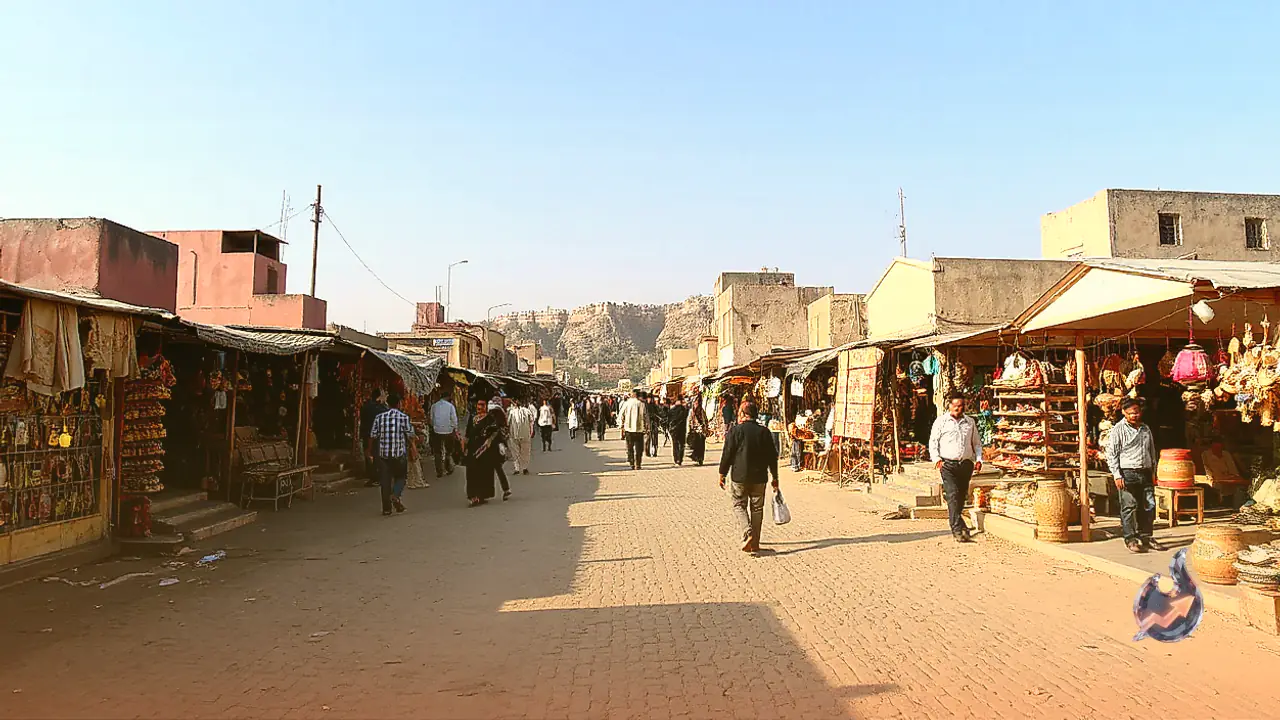
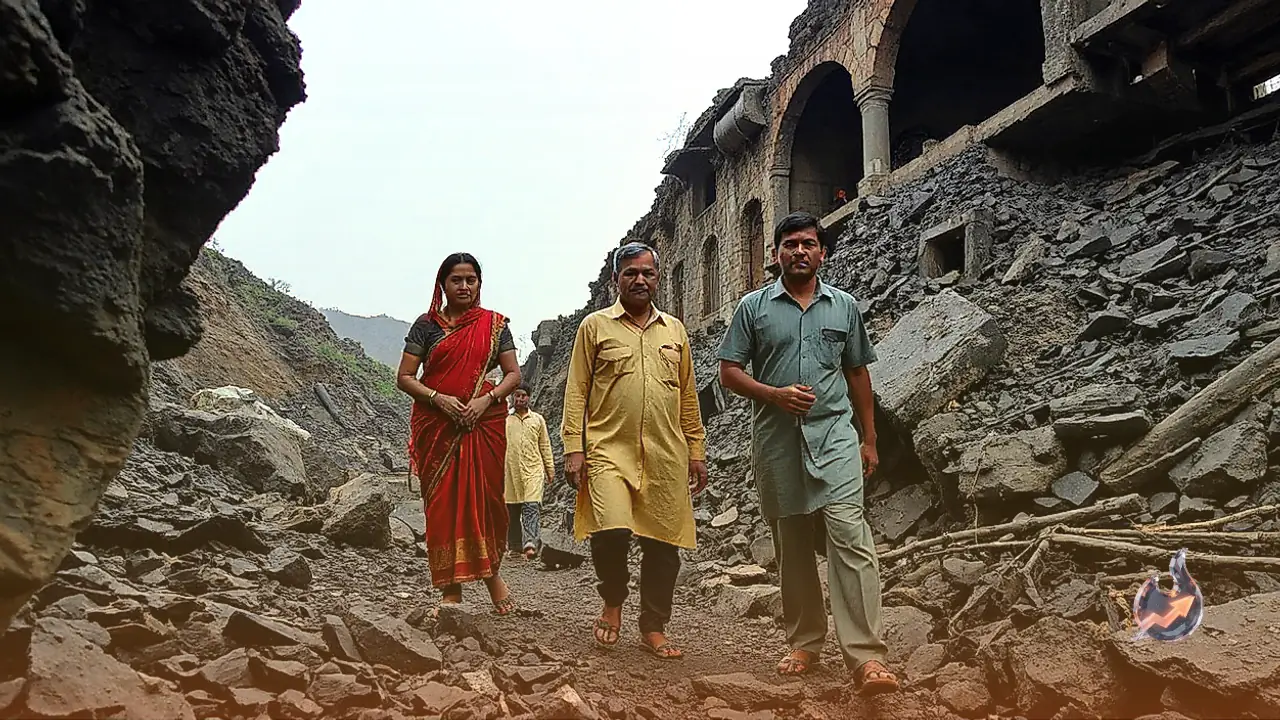














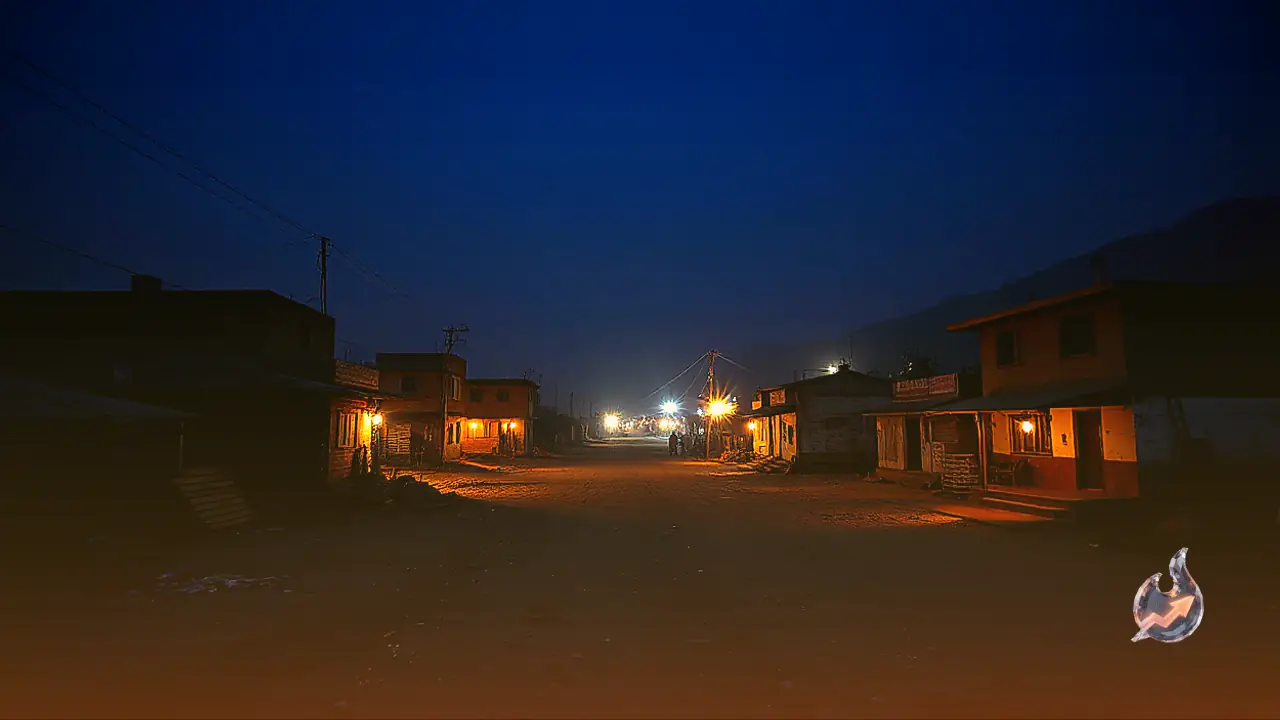

While millions of homes across India illuminate their courtyards with clay lamps, burst crackers, and exchange sweets during the grand festival of Diwali, a quiet village nestled in the hills of Himachal Pradesh stays completely detached from the nationwide celebration. In Sammu village, located in the Bhoranj region of Hamirpur district, the festival of lights brings no special preparations, no shopping sprees, and no flickering earthen lamps. The villagers have observed an absolute boycott of the celebrations for generations. This extraordinary restraint is not driven by financial hardship or lack of faith, but by a haunting chapter of history that bound the entire community to a severe ancestral promise.
The Heartbreaking Sacrifice and the Generational Curse
The origins of this centuries-old restraint trace back to the era of local kings and feudal armies. According to local resident Soni Kumar, kings in those days maintained large fighting forces, and a brave resident from Sammu served as a royal soldier. On the fateful day of Diwali, his wife was walking along the pathway toward her maternal home, holding their young son by her side. Along the road, she crossed paths with returning soldiers who were carrying personal kits and military gear. Unaware of the woman's identity, the soldiers asked her for directions to the home of a fallen soldier who had attained martyrdom on the battlefield. Looking at the belongings, she instantly recognized them as her husband's possessions. Overwhelmed by grief yet standing firm, she instructed the soldiers to lay down the gear right there on the path. The grief-stricken woman then made the extreme choice to immolate herself as a Sati along with her son and her husband's belongings. Before taking her life, she uttered a heavy curse upon Sammu village, declaring that no resident of the hamlet would be permitted to celebrate Diwali for seven consecutive generations. Since that grim day, the village has never held Diwali festivities.
Fear of Untoward Incidents and Fire Tragedies
The fear of this curse is not just a passive folklore; it is rooted in frightening incidents that local residents still recall with trepidation. Urmila, a village resident, shared that over the decades, a few households dared to test the taboo by trying to celebrate the festival of lights like the rest of the world. However, their attempts quickly ended in disaster. On one such occasion, a villager's cowshed suddenly erupted into flames without any apparent cause. The fire raged so fiercely that within mere moments, the entire structure and cattle shelter were reduced to a pile of ash. Other attempts by villagers to indulge in festivities led to sudden bouts of severe illness in their homes. These repeated incidents firmly entrenched the belief that violating the solemn decree leads to immediate catastrophe, forcing every family to maintain absolute silence on Diwali.
Post-Festival Veneration of the Sati Idol
Although the residents do not celebrate Diwali itself, they hold deep reverence for the martyred soldier's wife and her sacrifice. Villager Jagdish Chand Rangra explained that every household in Sammu possesses a sacred idol representing the Sati woman and her family. Once the day of Diwali passes, each family conducts a formal religious ceremony to worship this deity in their home. The ritual follows extraordinarily strict guidelines. If an unannounced guest or visitor steps into the home while the prayers are being conducted, the entire ritual is deemed unsuccessful. In such circumstances, the household must discard the interrupted prayer and begin the entire veneration procedure from scratch. The tradition is strictly adhered to by every generation across the settlement.
Youth Perspectives in the Modern Age
In modern times, even the younger generation has chosen to honor this ancestral code rather than rebel against it. Divyansh Thakur, a young resident of Sammu, explained that while the village youth naturally feel a pang of regret watching friends and neighboring towns immerse themselves in colorful Diwali celebrations, they continue to uphold the rules established by their elders. He noted that villagers do not view this practice as baseless superstition, but as a verified historical reality preserved through generations of family memory. Because of this balance between respect for historical sacrifice and fear of bad omens, the hamlet of Sammu continues to observe its silent Diwali, carrying forward an uninterrupted legacy of caution and faith.