




















It has been 4 years, 4 months, and 18 days since the conflict between Russia and Ukraine began on 24 February 2022. While initial assessments from global military experts suggested that Ukraine would be overwhelmed within 24 hours of the Russian invasion, the reality today is significantly different, with Russia appearing battered and strained.
Putin's Admission of Struggle
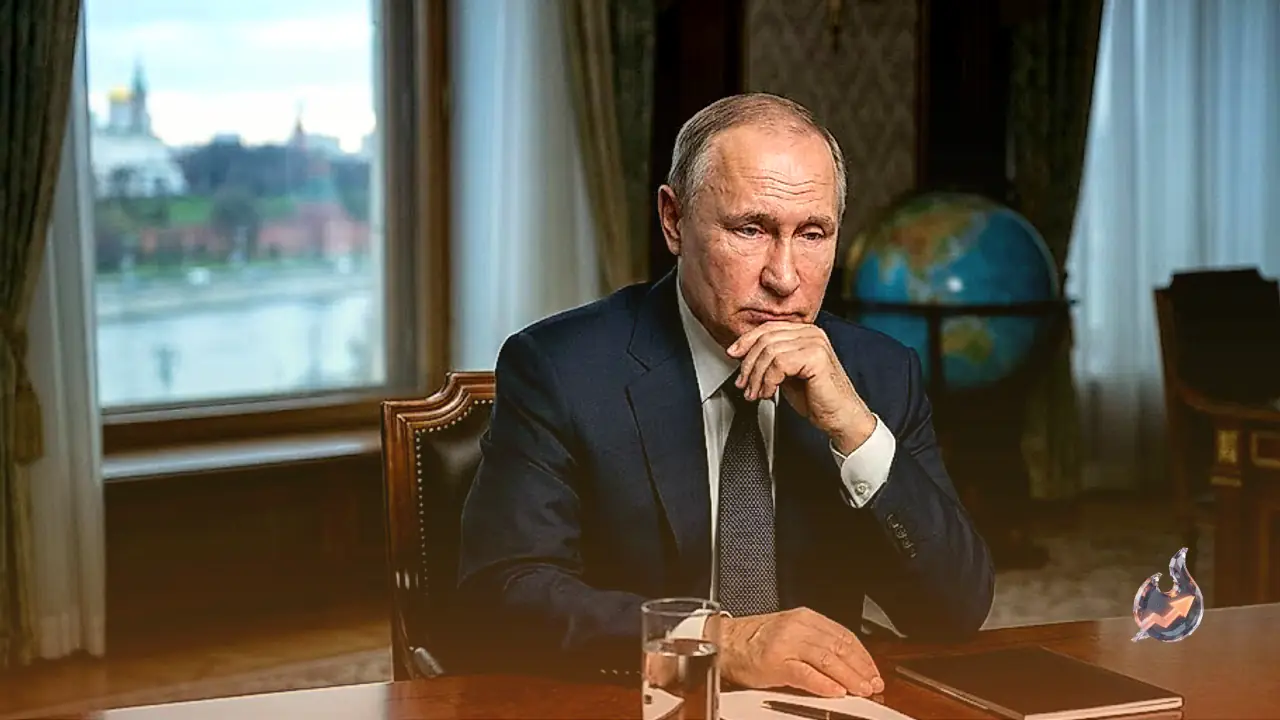
For the first time since the onset of the war, Vladimir Putin has openly admitted that the nation is facing significant difficulties. This acknowledgement marks a shift in the Kremlin's narrative, coming at a time when the country is confronting substantial domestic and international pressure.
The Crisis in Crimea and Resource Shortages
Pressure is intensifying on Crimea, a region that has become a critical focal point of the conflict. Reports from the region indicate that fuel supplies have dwindled, leading to long queues at filling stations. Military analysts suggest that if Russia loses its grip on Crimea, it could fundamentally alter the trajectory of the war. Choking off the land bridge and supply lines to Crimea has been a key strategic goal for Kyiv in its efforts to regain the territory.
Shifting Strategic Realities
Beyond the Ukrainian front, Russia's geopolitical influence appears to be waning, with reports of declining influence in other regions such as Mali. The ballooning costs of the war, both in terms of blood and treasure, are placing immense strain on the Russian state. While Ukraine is now actively exploring scenarios to reclaim Crimea in 2026, the Kremlin faces a narrowing set of options to maintain its control as the logistical and economic costs of the prolonged war continue to mount.