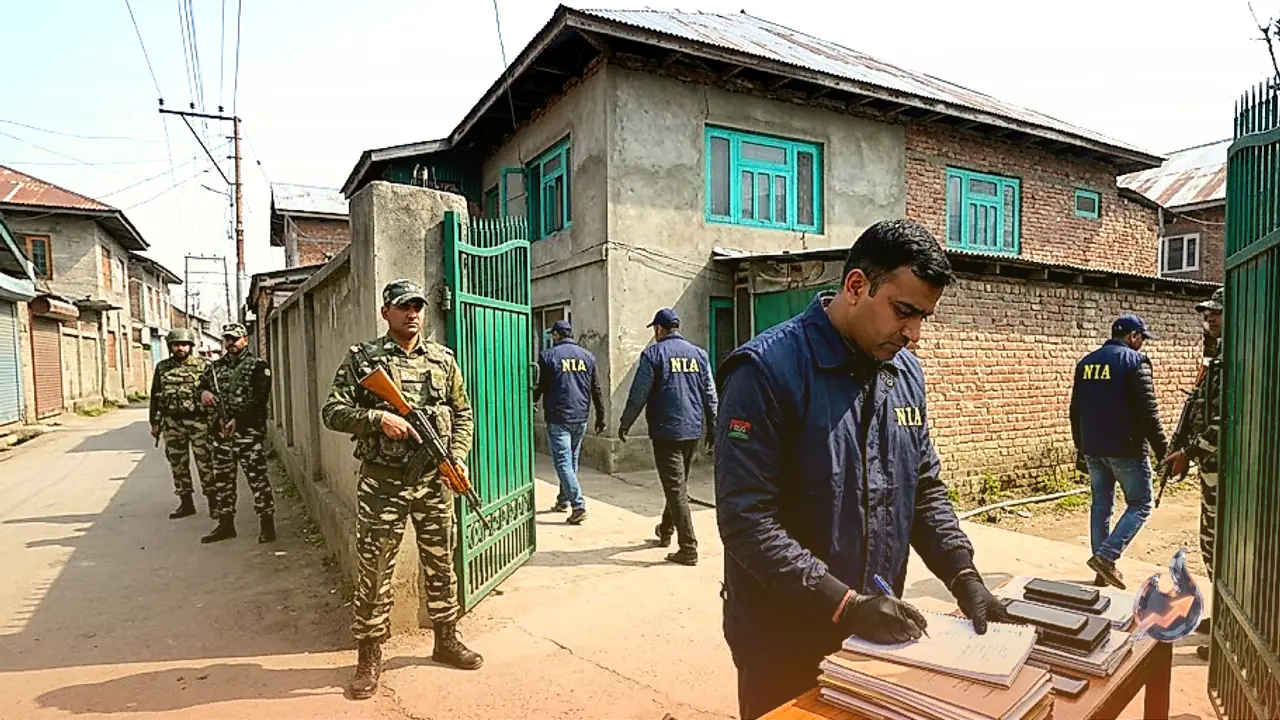






















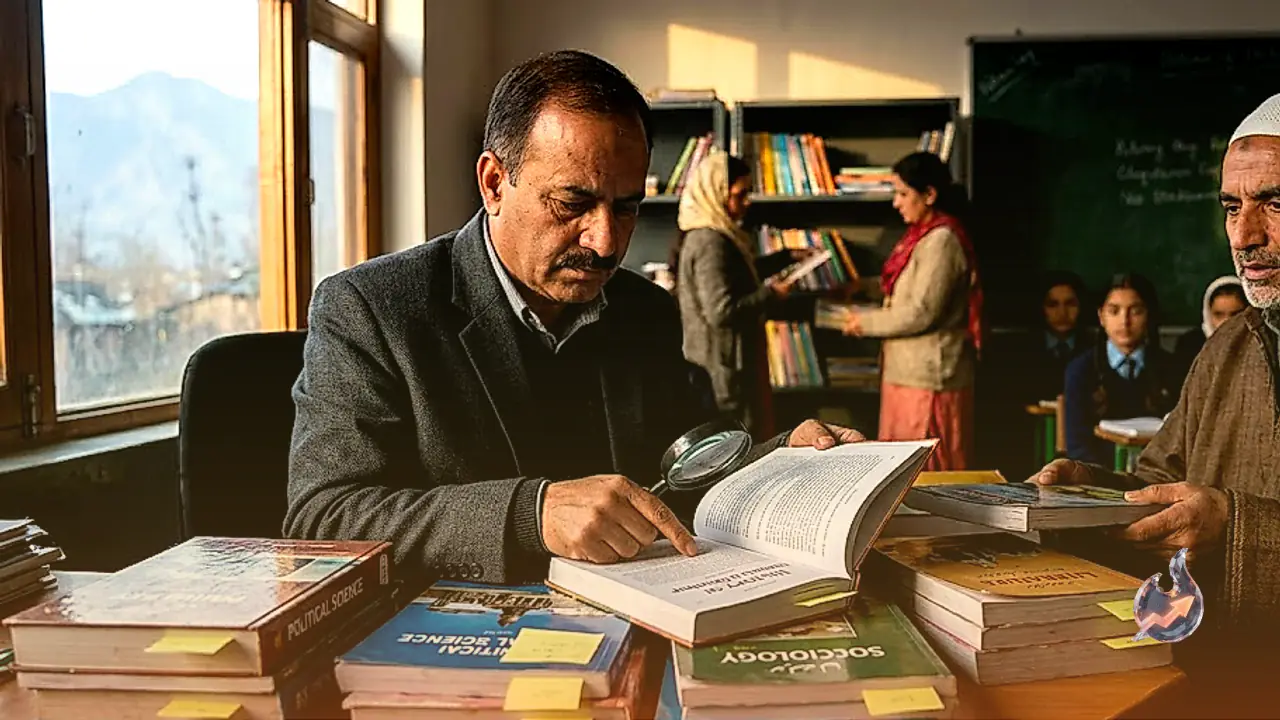

The Jammu and Kashmir administration has implemented a strict new directive concerning textbooks and study materials present in schools and coaching centers across the Kashmir valley. The primary objective of this government mandate is to ensure that no controversial content or material that could potentially disturb the social fabric reaches the students. Under this fresh order from the Directorate of School Education, every educational institution is now tasked with conducting a granular investigation and review of every book housed in their libraries, classrooms, and offices.
Comprehensive Screening Process Across Institutions
Following the issuance of this order, a sense of urgency has spread across both government and private schools in Kashmir. The administration has clarified that this is not merely an advisory but a firm requirement. All school heads are obligated to submit a formal certificate to their respective Zonal Education Officers or Chief Education Officers. Through this document, they must provide a written guarantee that their campus is completely free of any materials that fall outside the permitted legal and regulatory guidelines. The government maintains that this step is essential for safeguarding children's futures and protecting national security interests.
What Kind of Books Are Under Scrutiny?
The directive explicitly states that any material capable of hurting the religious sentiments of any section of society will not be tolerated. Books that run contrary to the country's existing laws, cause harm to national interests, or promote separatist ideologies are to be removed immediately. This decision follows recent protests led by the Bharatiya Janata Party, which raised concerns regarding the procurement of certain books in government schools that allegedly glorified separatist leaders.
Enforcement and Potential Consequences
The administration has issued a clear warning that any negligence or delay in complying with this order will invite severe disciplinary action against the concerned school management and officials. It is noteworthy that approximately one year ago, the Home Department of Jammu and Kashmir had imposed a ban on the publication and sale of 25 books written on subjects related to Kashmir. The list included works by authors such as Arundhati Roy and A.G. Noorani, whom the government accused of promoting separatist ideologies. The current drive is an extension of that policy, ensuring that the same standards are applied within the educational environment.
Scope of the Regulatory Order
This regulation will be applicable across all educational establishments within the Kashmir division. According to current official figures, there are 10,787 government schools and 2,386 recognized private schools currently in operation, all of which fall under the purview of this mandate. These institutions are required to thoroughly audit their campus libraries and staff rooms to ensure full compliance with government standards. While the administration views this as a security necessity, it has also sparked a debate within local political spheres regarding academic freedom and the portrayal of historical events.