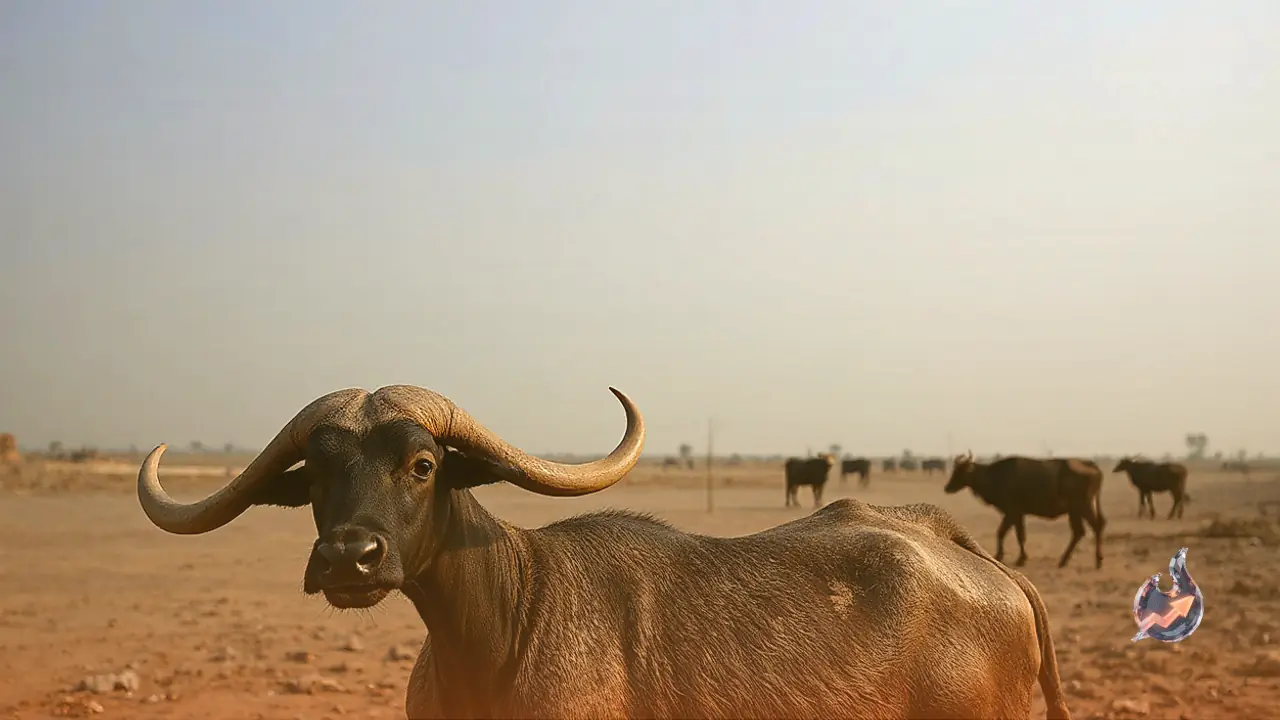

Despite the rapid advancement of modern communication tools, traditional tribal heritage continues to retain a unique identity and cultural relevance today. At the ongoing Lugu Buru festival in Bokaro, a traditional musical instrument crafted from buffalo horns has emerged as a major center of attraction for visitors. Known as Sakwa or Sing Baja, this unique instrument was once widely used inside dense forests to transmit messages and warn animals. People visiting the festival are showing immense enthusiasm for viewing and purchasing this rare cultural artifact. Artisan Ramchandra Soren, who has traveled from West Bengal, is running a stall at the festival exclusively featuring these traditional instruments.
Used by elders for messaging and in ancient times
Stall owner and artisan Ramchandra Soren shared detailed insights into the historical significance and utility of the Sakwa instrument. He explained that Sakwa is a very ancient and traditional musical instrument of the tribal community, which was heavily relied upon in earlier times. In past eras, when elders ventured deep into dense forests, they used this instrument to drive away animals, alert them, or convey messages and signals to companions stationed far away. Even though modern communication devices have emerged over time, the importance of this instrument within tribal culture remains steadfast.
Manufacturing process and time required for creation
The method of crafting this traditional musical instrument is quite intricate and artistic. According to Ramchandra Soren, the Sakwa is primarily fashioned out of a buffalo horn. The process begins with the careful cutting and thorough cleaning of the raw horn to ensure a proper shape. Finally, the instrument is painted, and a precise hole is drilled into it to create the necessary airflow and sound. Following this meticulous process, a single musical instrument is fully completed. Crafting one Sakwa requires approximately one hour of dedicated work.
Pricing and daily sales figures at the festival
Artisan Ramchandra Soren noted that a varied range of Sakwa instruments is available at his stall. Prices for these pieces range from Rs 850 up to Rs 4,500. To keep this traditional art form alive, he sets up shops at local weekly haats in West Bengal as well as various fairs held across Jharkhand, West Bengal, and Odisha. At the ongoing Lugu Buru festival in Bokaro, approximately 30 to 40 instruments are being sold daily at his stall. He will continue running his stall at the fair until November 25 before moving on to prepare for upcoming fairs in West Bengal.
Visitors purchase instruments to preserve ancestral traditions
Buyers arriving at the fair are also displaying a deep sense of connection toward preserving their ancient culture. Sikandar Oraon, a visitor who arrived from Lohardaga to buy the instrument, shared his enthusiasm after acquiring one. He noted that he liked the instrument immensely and viewed it as a precious memento left behind by their ancestors. In earlier times, when elders headed out into the forests for hunting, they utilized this very instrument to send messages and alert fellow hunters. Sikandar Oraon expressed that by purchasing it, he wants to keep his old traditions and heritage alive.