














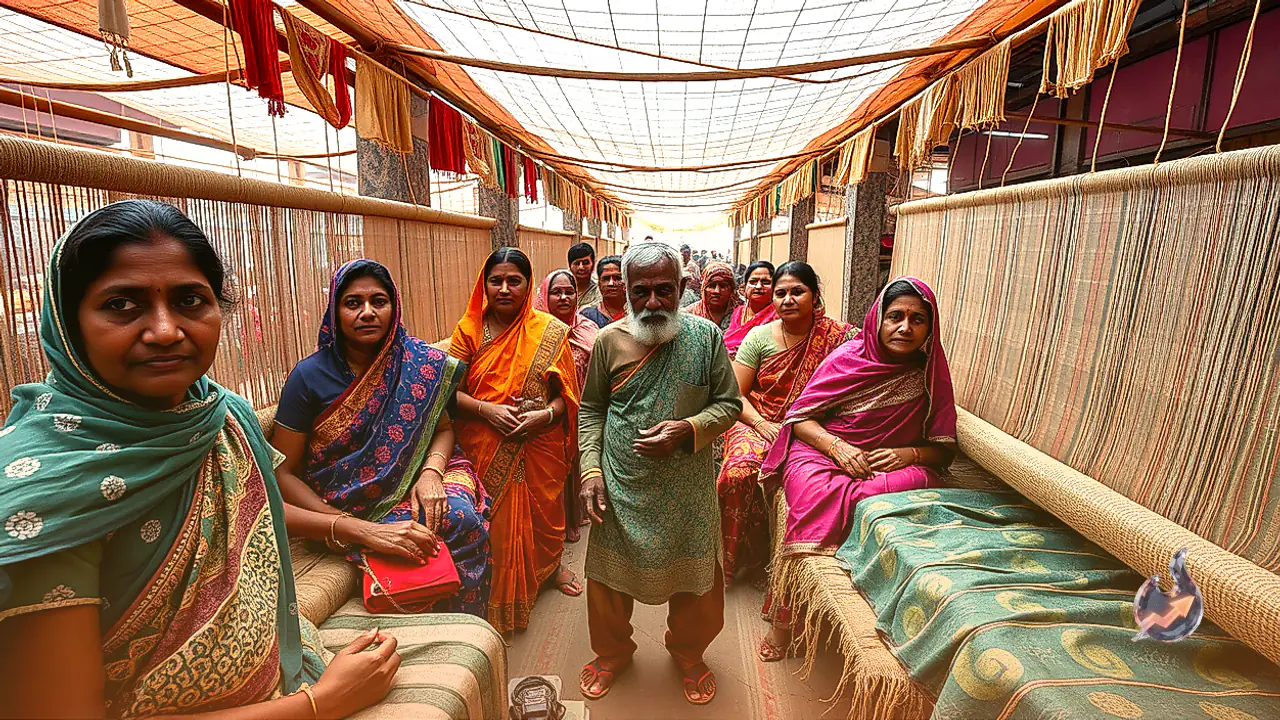

Weavers in the textile hub of Bhagalpur are reclaiming a cherished artisanal legacy by reintroducing the iconic needlework that defined handloom fashion during the 1980s. The traditional Kantha stitch, which had faded from mainstream production over the years, has emerged once again as a sought-after staple in modern wardrobes. As vintage trends regain cultural prominence across fashion circles, these handcrafted sarees are attracting steady orders not only across Bihar and West Bengal but also from international textile enthusiasts.
Needlework on Khadi Cotton and Tussar Silk
Weaver Abdullah Owaisi explains that this meticulous stitching is primarily being executed across high-grade khadi cotton and indigenous tussar silk fabrics. Kantha embroidery is fundamentally an artisanal craft carried out entirely by hand using a needle and thread. Because khadi cotton serves as a breathable and adaptable foundation, these garments offer notable versatility, remaining comfortable to wear across both hot summers and cool winters. This all-weather utility has significantly contributed to their growing appeal among buyers.
A Multi-Stage Process Requiring Five Days of Labor
Completing a single Kantha saree requires an intensive working cycle spanning 4 to 5 days. The manufacturing procedure consists of multiple careful steps: first, raw yarns are woven on a traditional loom to produce the base fabric. Skilled craftspeople then meticulously stitch the intricate motifs using colored thread and needles. Following the embroidery stage, the fabric undergoes dyeing and a final finishing process before entering the commercial market. Due to the purely manual labor required at every stage, each finished piece retails at a price point between Rs 3,500 and Rs 4,000.
Livelihoods for Local Women and Surging Orders
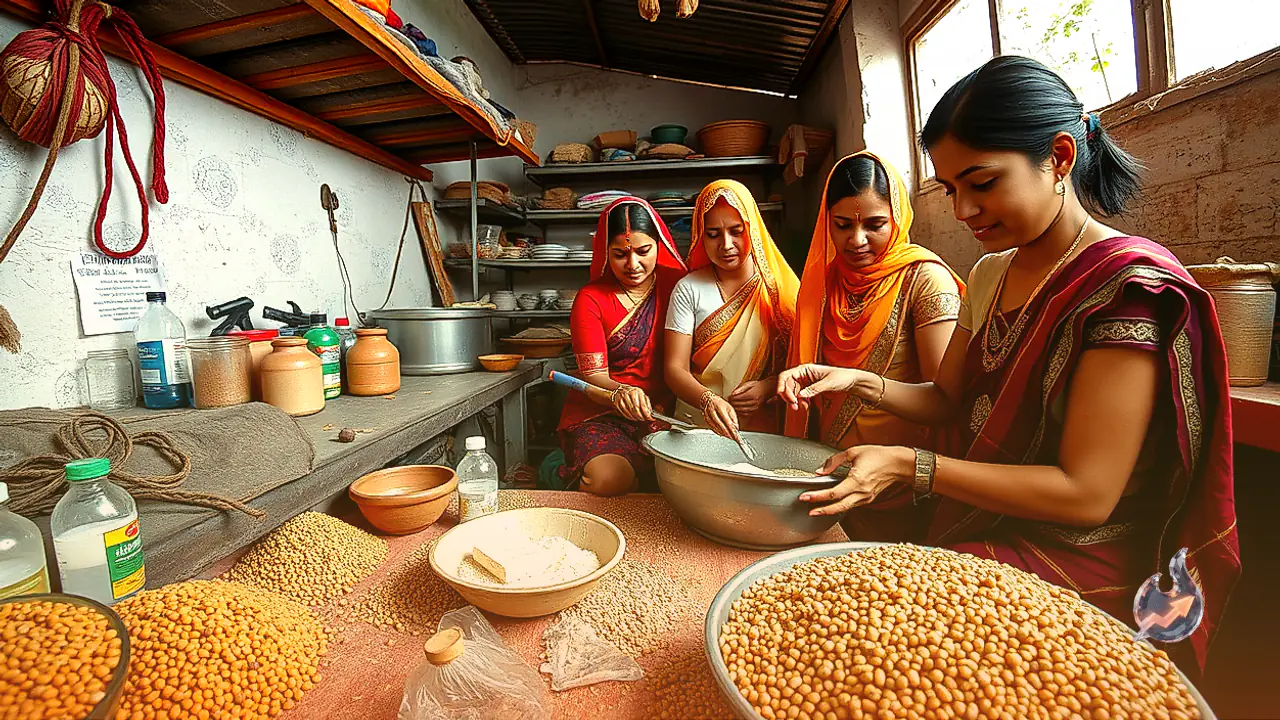
The revival of this historical handloom technique has opened wide avenues of home-based employment for local women across the region. Historically, these sarees enjoyed considerable cultural popularity across Eastern India, particularly in Bengal and Bihar. The current resurgence among craft connoisseurs has led to a notable spike in business, with retail markets in West Bengal registering strong advance bookings. This confluence of heritage preservation and market demand is directly strengthening household earnings and elevating the socio-economic standing of Bhagalpur weaving communities.