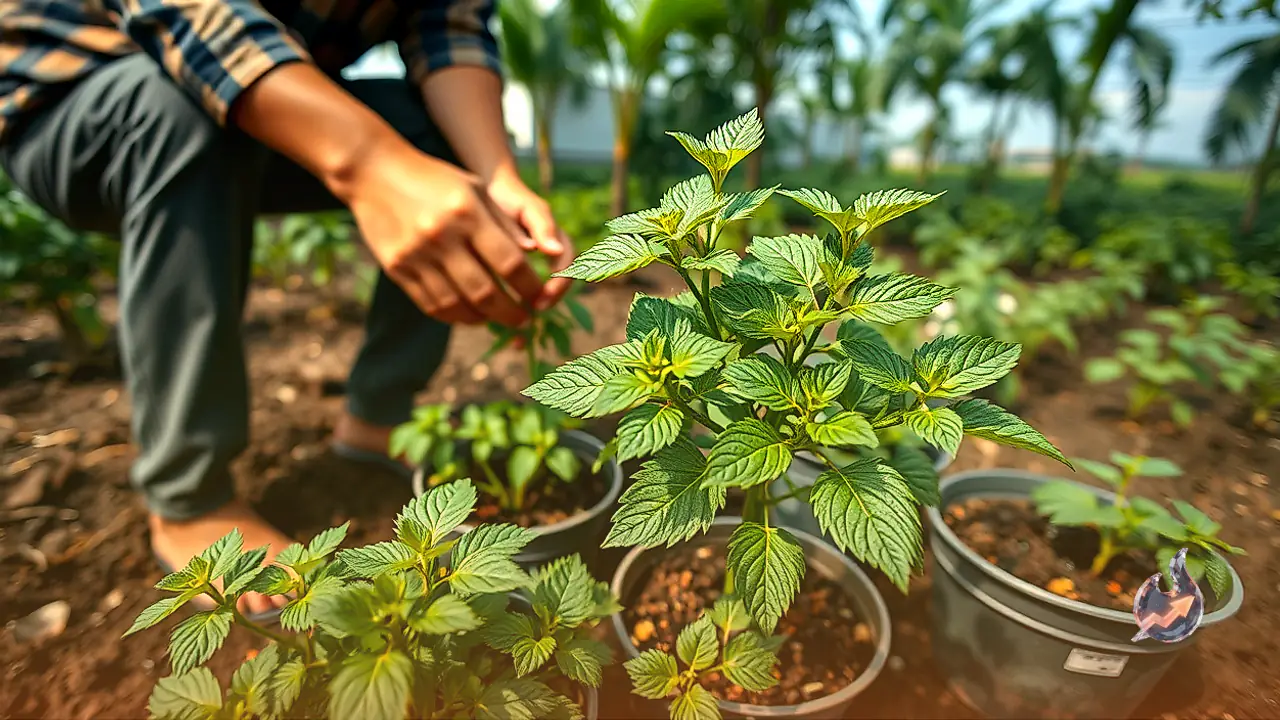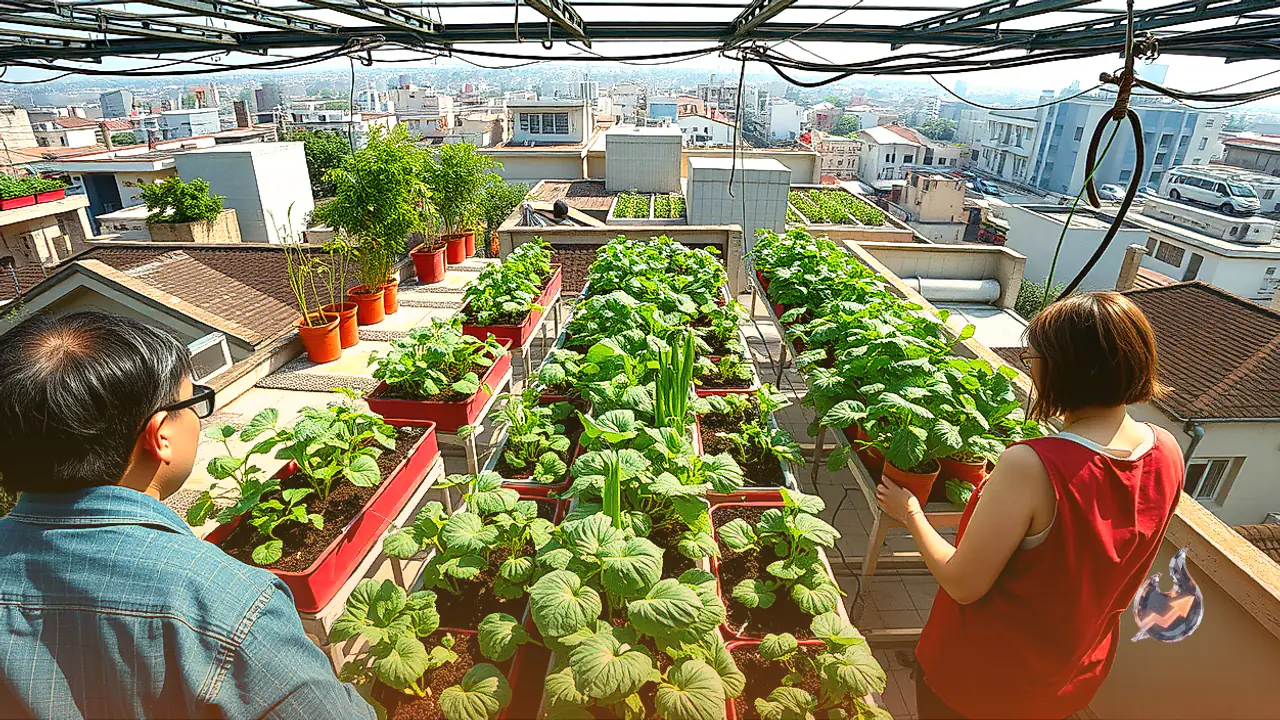





















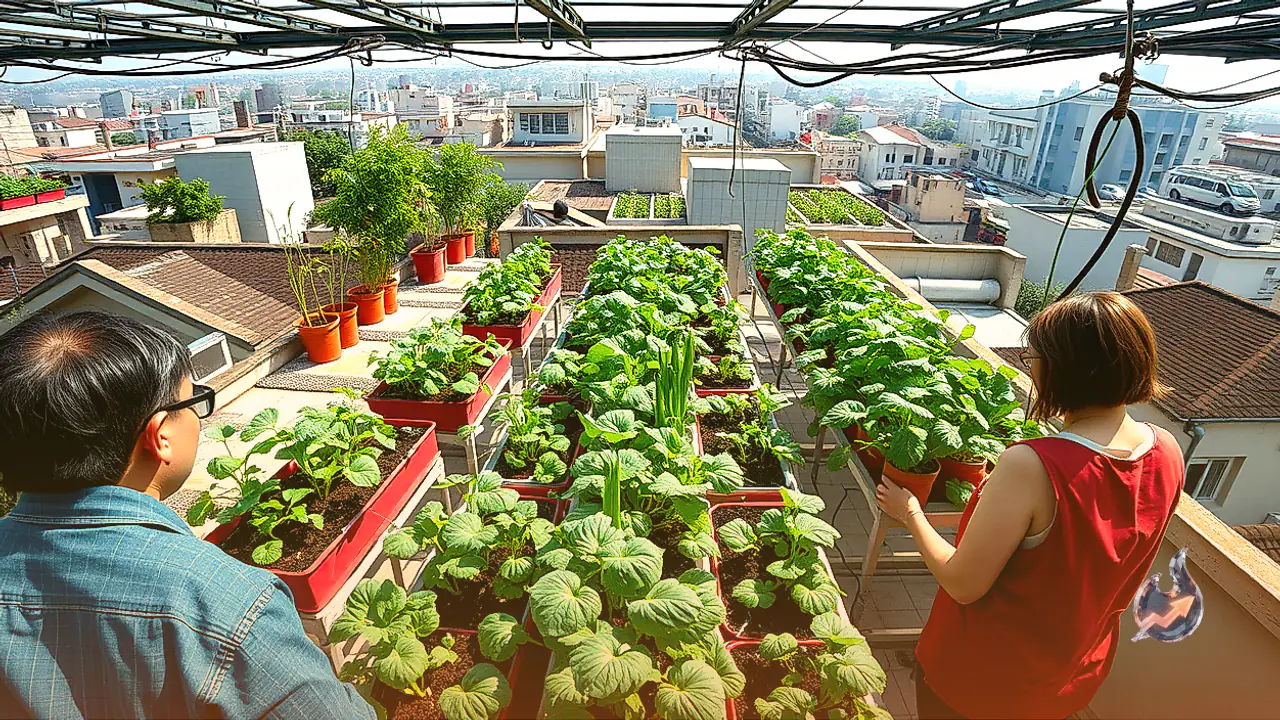

Urban living often distances families from access to fresh and nutritious leafy greens, leaving most households entirely reliant on commercial markets due to the lack of cultivable ground. A practical solution to this spatial constraint has emerged through hydroponic farming, which enables individuals to cultivate green vegetables on home rooftops and apartment balconies. The defining feature of this methodology is the complete elimination of soil, relying instead on controlled water circulation and dissolved minerals to nurture crops. By facilitating high-density plantation within a compact footprint and optimizing water utilization, this approach has made domestic gardening viable in dense urban neighborhoods.
Setting Up Models In Small Spaces
Pusa agricultural scientist Dr. Ramu Kumar Sahu explained that this technique serves as an effective mechanism for individuals who lack agricultural land but wish to grow edible greens. According to Dr. Sahu, homeowners can assemble a domestic hydroponic model on an open terrace to fulfill their household vegetable requirements. Developing such a system does not demand large areas; instead, it hinges on assembling an appropriately sized framework and organizing a dependable water delivery system that consistently supplies moisture to the crops.
Soilless Growing Media And Pipe Architecture
According to Dr. Ramu Kumar Sahu, conventional soil is entirely omitted in hydroponic operations. Instead, alternative media such as cocopeat and other specialized porous materials are used to offer physical support to emerging plant root systems. Cultivators utilize small net pots or perforated containers readily available in retail markets to hold these growing media. These net pots are slotted into pre-cut openings drilled at uniform distances along roughly four-inch PVC pipes. To support the weight of the conduit network and the circulating water, the framework is typically fabricated using iron or similarly robust structural materials.
Vertical Stacking And Nutrient Circulation
To maximize vertical clearance, the infrastructure can be arranged in three to four distinct tiers, allowing a significant number of plants to flourish without expanding the footprint on the ground. A water reservoir is placed at the base of the framework beneath the PVC piping. By connecting this storage tank directly to the elevated pipes, a continuous circulation loop is established. The root structures descending through the net pots absorb moisture and dissolved nutrients directly from within the pipe interior. This self-contained microclimate delivers the necessary elements for plant maturation entirely independent of traditional field dirt.
Regulating Water Delivery And Daily Maintenance
Water recirculation constitutes the operational core of the entire hydroponic layout. Once the water tank is linked to the plumbing lines, the flow is engaged periodically based on the specific moisture requirements of the crop. Running the circulation pump for even a few minutes during the day maintains the humidity and fluid levels essential for healthy root development. After traveling through the pipe tiers, excess runoff drains back into the primary collection tank for reuse, sharply curtailing total water consumption. Constructing a resilient metal frame, mounting four-inch PVC conduits with evenly spaced net pot cutouts, and stacking them three or four levels high allows for an efficient domestic garden. Dr. Sahu emphasized that while the system fits comfortably on balconies and terraces, cultivators must still manage sunlight exposure, water replenishment, and nutrient balance to ensure thriving plants.