





















Plant enthusiasts looking to add greenery to their living spaces often focus on finding attractive pots first. While nurseries and home decor stores offer a wide variety of decorative planters, buying them for multiple plants can quickly turn into a costly affair. Repurposing discarded household items provides a practical and cost-effective alternative. With proper cleaning, suitable paint, and minimal decoration, everyday scrap items can be easily transformed into functional and visually pleasing planters.
Household Items Suitable for Repurposing into Planters
Numerous items commonly found around the house can be repurposed to grow plants. Old plastic buckets, small empty paint pails, chipped mugs, old steel tins, or any durable storage container can serve as effective bases. Before converting any object, it is essential to ensure that the material is thoroughly cleaned and structurally strong enough to hold damp soil. Discarded kitchen tins and plastic tubs make suitable homes for compact ornamental plants, provided proper arrangements are made for water to flow through.
Using Balanced Paint Shades to Refresh Old Containers
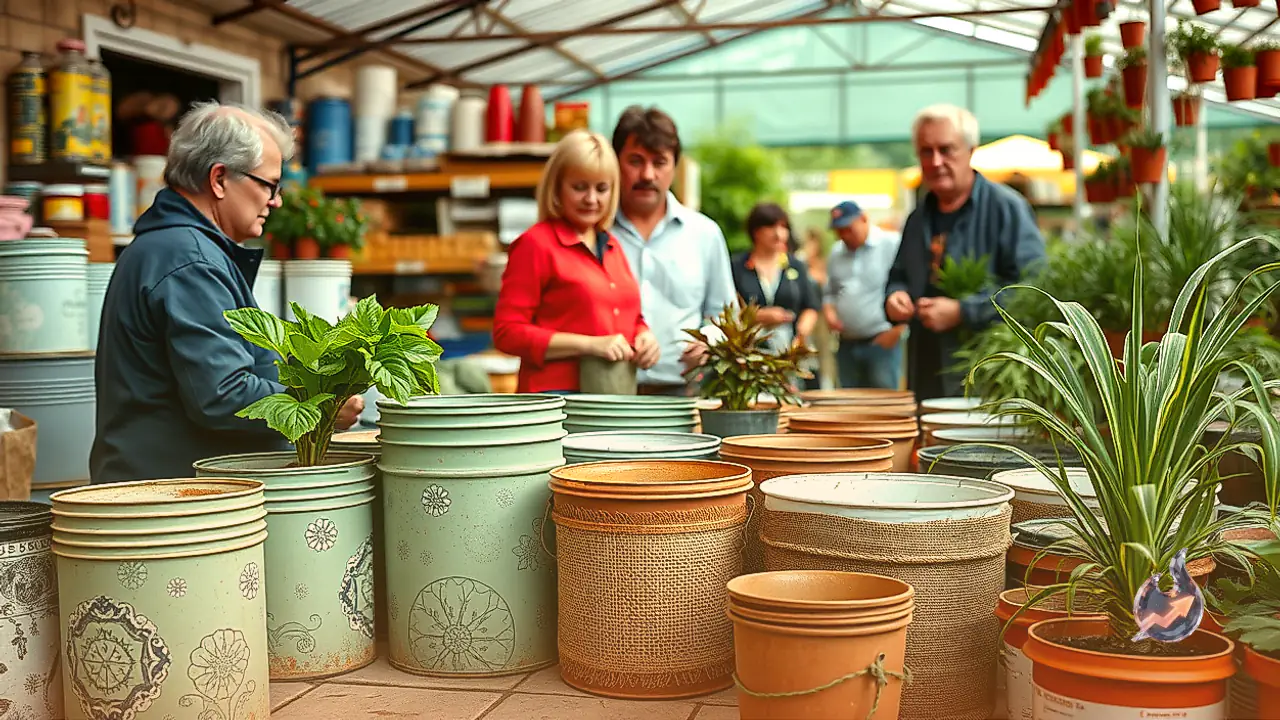
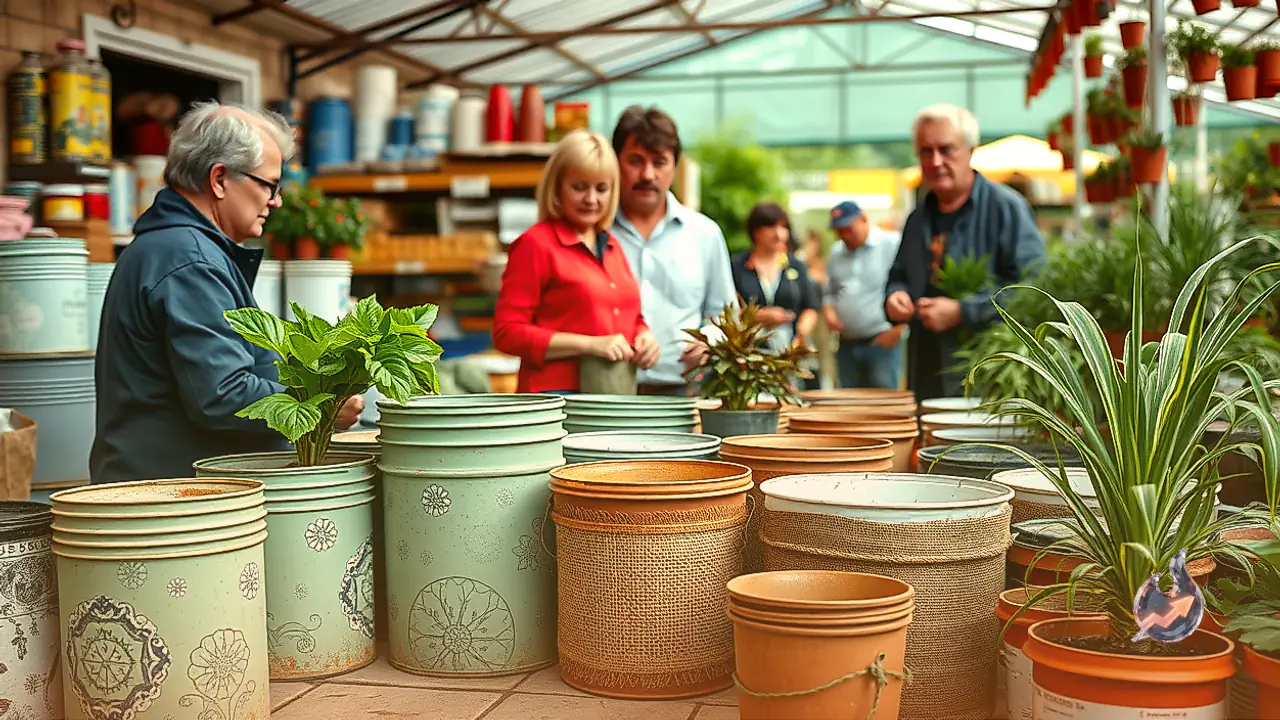
To prepare an old container for decoration, it must first be washed cleanly and allowed to dry completely. Selecting a paint designed to adhere firmly to the specific surface ensures the finish lasts. Neutral tones such as white, off-white, light grey, or earthy brown impart a neat and understated finish to the container. Those who prefer subtle patterns can paint delicate geometric outlines, thin bands, or small dot arrangements over the base coat. Keeping the artwork minimal and clean allows the finished planter to blend seamlessly with existing interior or balcony decor.
Styling with Jute Twine and Leftover Fabric
For those who prefer not to paint, thick jute rope offers an effective crafting material. Adhering the twine evenly around the outer surface of the container creates an appealing rustic texture. Adding an extra layer of rope around the top rim gives the piece a neat and defined border. This natural texture pairs particularly well with outdoor light near windows and balconies. Similarly, unused fabric scraps can be glued to the exterior of plain containers and finished with a simple lace border, as long as the fabric remains shielded from direct contact with wet potting soil.
Ensuring Adequate Root Space and Drainage
While visual appeal is important, functional growing conditions must remain the top priority when making planters. The container must provide enough room for the plant root system to expand comfortably. While small pots are fine for succulents and small greens, confining larger plants to tight containers can hinder their development. Crucially, a proper drainage hole must be drilled or pierced at the bottom of the container to allow excess water to escape freely. Without drainage, trapped water keeps the soil excessively soggy, which can severely harm plant health.
Arranging Planters to Elevate Living Spaces
The visual impact of handcrafted planters depends significantly on where and how they are displayed. Grouping two or three planters with identical colors or complementary patterns along a windowsill creates a tidy focal point. Arranging planters of varying heights on a compact tiered stand can turn a simple balcony into a well-structured green corner.