























The story of the world's first white tiger, 'Mohan', began deep within the dense forests of Pankhora in the Sidhi district of Madhya Pradesh. The year 1951 marked a pivotal moment in wildlife history when, in this very landscape, a tigress naturally gave birth to a white cub. This single event not only catapulted Sidhi into the global spotlight but also laid the foundation for the entire lineage of white tigers known across the world today. Yet, despite the global fame associated with the species, the very land that birthed them continues to languish in anonymity, struggling to reclaim its historical identity.
A Moment in History: The Birth of 'Mohan'
The historical ravines and terrain of the Pankhora forest stand as silent witnesses to the natural miracle of 1951. During a hunting expedition in these woods, the then Maharaja of Rewa, Gulab Singh, spotted a white cub among a litter of normal yellow siblings. The cub was captured alive and relocated to the Govindgarh Fort in Rewa, where its protection and breeding were prioritized. This tiger, named 'Mohan', went on to become world-famous and served as the progenitor for the subsequent generations of white tigers across the globe.
The Current State of Sanjay Tiger Reserve
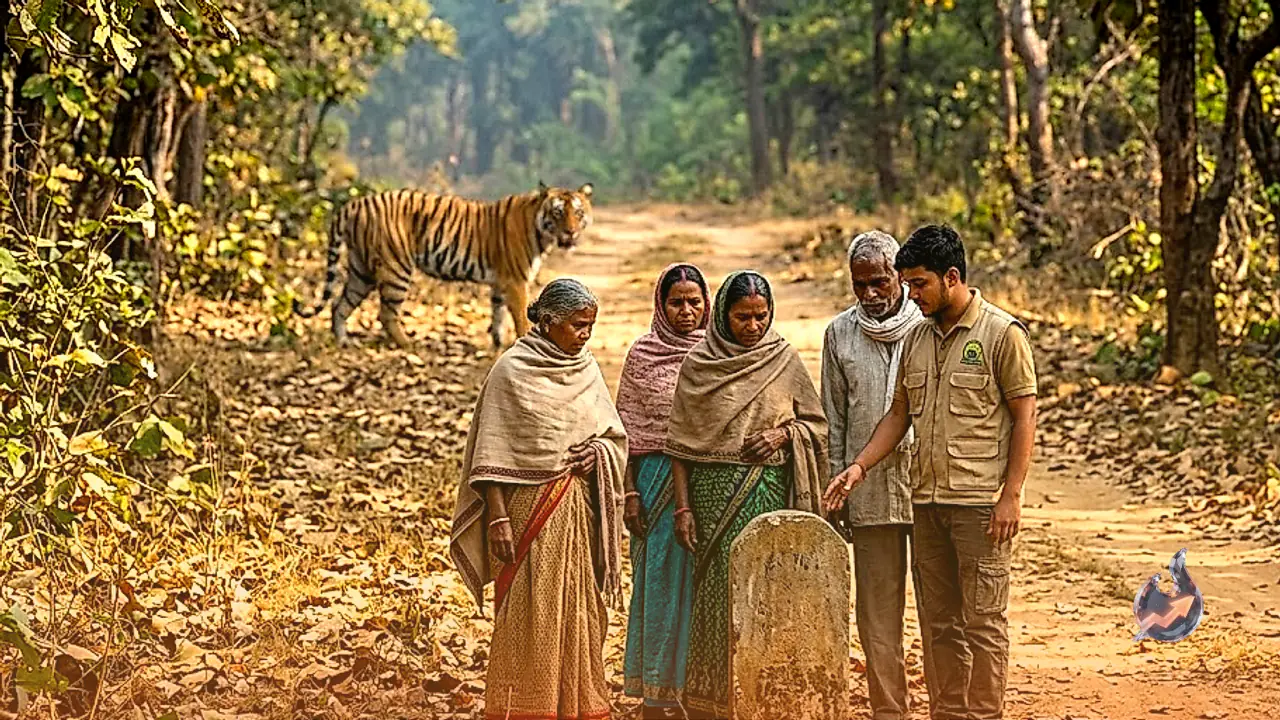
Today, the Pankhora region is part of the Sanjay Tiger Reserve, which has successfully established itself as a thriving and secure habitat for wildlife. In recent years, the reserve has seen a consistent increase in its population of Royal Bengal Tigers. Through camera trapping and diligent monitoring by the forest department, several tigresses have been documented with their cubs, serving as clear evidence that the reserve provides a safe and favorable environment for these predators. Despite this biological success, the pride of being the birthplace of the white tiger remains largely absent from tourism development initiatives and regional planning.
Untapped Potential for Tourism
For visitors traveling to Pankhora, a glaring disappointment is the lack of any markers or facilities acknowledging its significance. There is currently no monument, information display, or site signage to inform tourists that they are standing on the very ground where the history of the world's white tigers began. Experts argue that if the location were developed with a dedicated White Tiger Interpretation Center, a small museum, and standard nature tourism facilities, it could become a major draw for both domestic and international wildlife enthusiasts. Such an initiative would generate employment for local youth and provide a significant boost to the regional economy.
Understanding the Rarity: Genetic Mutation
It is important to note that white tigers are not a separate species but rather the result of a rare genetic mutation found in the Royal Bengal Tiger. Because of this, it is not possible for every yellow tiger in the forest to produce a white cub. Since the discovery of 'Mohan' in 1951, there has been no official record of another white tiger being born naturally in the forests of Sidhi. This rarity reinforces the historical importance of the location and underscores why it warrants preservation.
Calls for Conservation and Future Prospects
A significant segment of the local population and environmental advocates have long demanded that Pankhora be treated as more than just another forest. They are calling for the site to be declared a national heritage and developed into a formal tourism center. Their argument is that a location which provided the world with such a unique legacy should not be confined to the forgotten pages of history. If the government and the forest department implement a concrete action plan, Sidhi could emerge not merely as a district, but as a globally recognized destination for wildlife tourism, celebrated for its rich biodiversity and its foundational role in the history of white tigers.