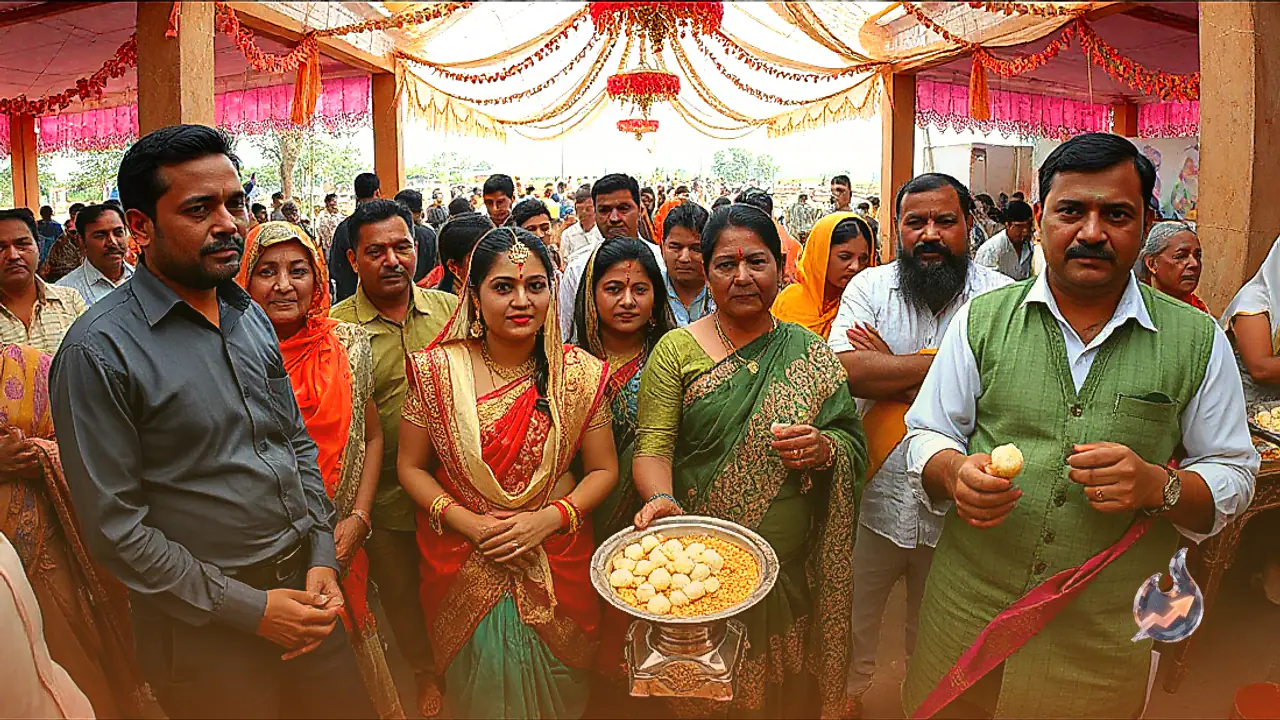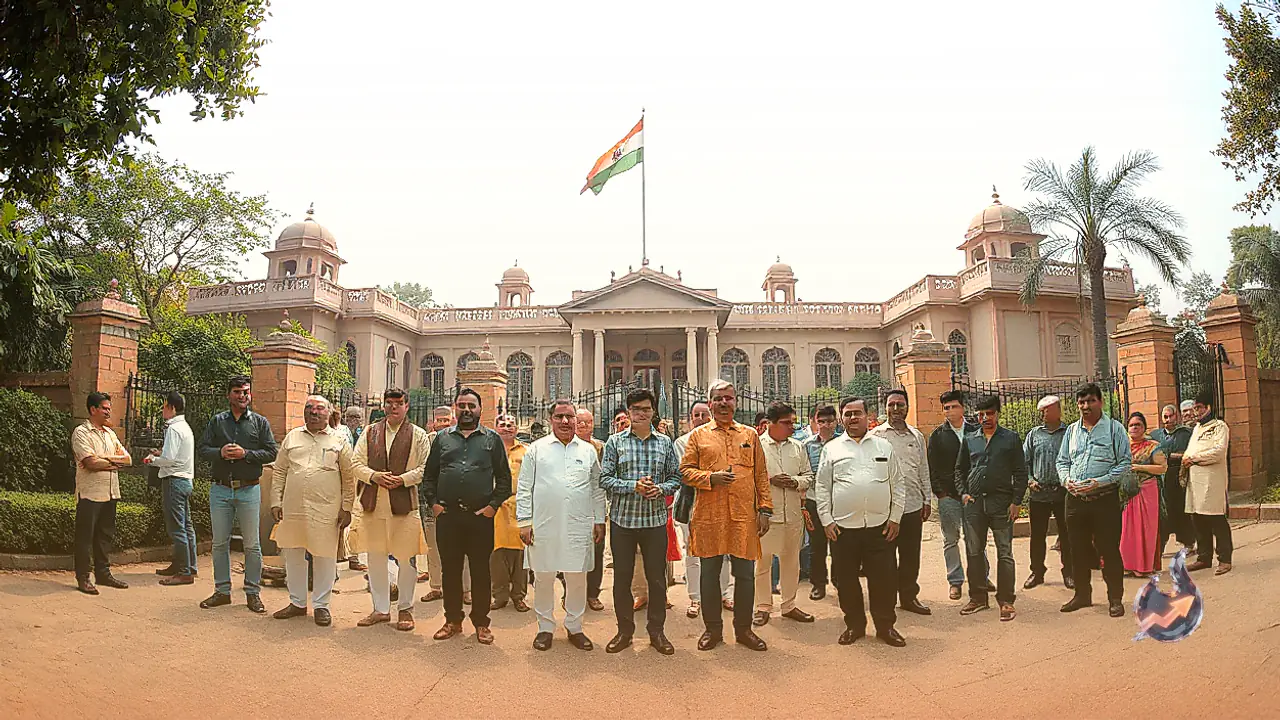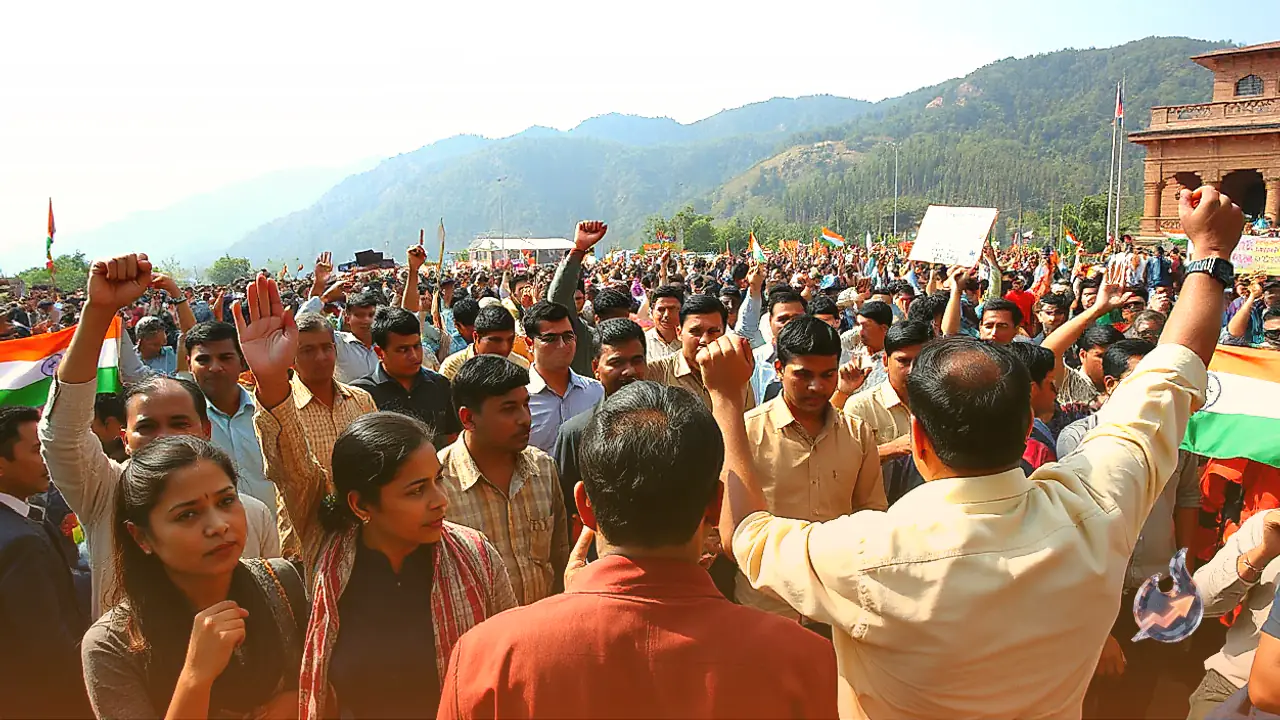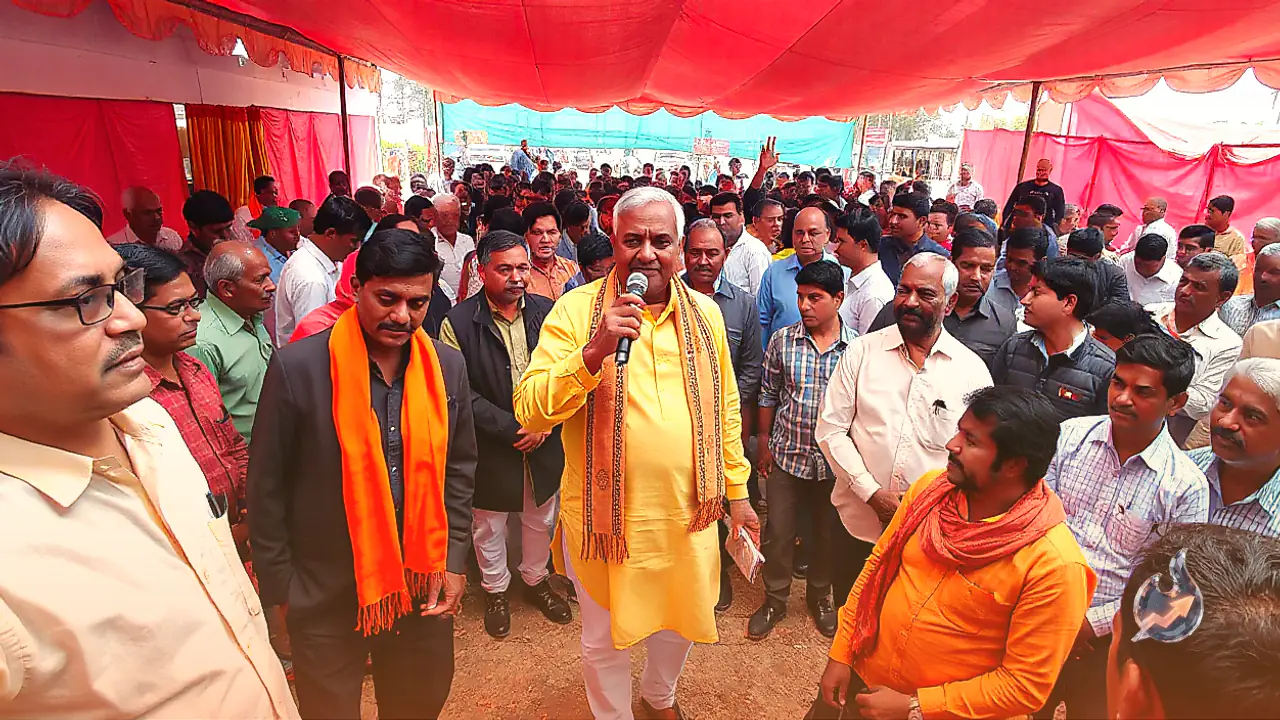

Participating in a prominent public march organized in Rewa district of Madhya Pradesh on November 28, Chief Minister Mohan Yadav offered a comprehensive critique of opposition politics, urging critics to evaluate their own governance record before casting doubts on democratic institutions. Addressing thousands of citizens who had gathered for the event, he emphasized that the ultimate authority in a democratic setup resides entirely with the electorate, who have consistently used their voting rights to preserve institutional balance whenever governance derailed.
Reflecting on Constitutional Revisions and Democratic Safeguards
Focusing on historical milestones, the Chief Minister recalled challenging phases in Indian democracy, including the Emergency period when stalwart leaders such as Atal Bihari Vajpayee and Lal Krishna Advani were imprisoned alongside countless patriots. He stated that past regimes altered the Constitution 100 times, asserting that 75 of those modifications were executed primarily to serve partisan and personal interests rather than public welfare.
Dr. Yadav also pointed out that democratically elected regional administrations were dissolved on 90 different occasions during earlier decades. Touching upon current debates surrounding voter roll revisions, he stated that maintaining the absolute integrity of electoral rolls requires eliminating deceased individuals and undocumented persons. He remarked that political factions out of power for roughly 15 years appear uncomfortable with measures aimed at purifying voter rolls, arguing that such resistance points toward a reluctance to face transparent electoral contests.
Contrasting Economic Growth and Infrastructure in Madhya Pradesh
Highlighting the socioeconomic trajectory of the state, the Chief Minister presented a detailed comparison between past conditions and recent progress. He noted that Madhya Pradesh had once been constrained by a meager per capita income of approximately 11,000 rupees under prior administrations. In contrast, steady economic expansion and focused welfare programs have elevated the state's per capita income to 1,70,000 rupees, reflecting tangible improvement in household prosperity.
Infrastructure capacity has undergone an equally dramatic upgrade, according to Dr. Yadav. Electricity generation within the state, which stood at a modest 5,000 megawatts under former regimes, has surged sixfold to reach 30,000 megawatts today. On the education front, institutional infrastructure is being strengthened with the establishment of Sandipani Vidyalaya across every district. Addressing agricultural requirements in the Vindhya belt, he highlighted the development of the Sleemanabad tunnel project, assuring farmers of Rewa and the larger Vindhyachal region that Narmada river waters will reach their fields by next year.
Selective Critiques of Democratic Institutions
The Chief Minister criticized what he described as inconsistent attitudes toward constitutional institutions, noting that the judiciary and the Election Commission are frequently celebrated or questioned depending solely on election outcomes. He remarked that electoral triumphs in states like Kerala and Himachal Pradesh are met with quiet satisfaction, whereas electoral setbacks in states such as West Bengal trigger immediate skepticism regarding the overall polling machinery.
Contrasting grassroots service with top-down politics, Dr. Yadav took direct aim at Rahul Gandhi, asserting that true leadership demands deep resonance with everyday citizens and cultural heritage rather than an obsession with holding high office. Remarking on recent political rallies, the Chief Minister observed that assembling a gathering of 8,000 people does not translate into securing political control in New Delhi, as national leadership is earned exclusively through public trust and substantive work across communities.
Cultural Legacies and the Abrogation of Article 370
Underlining the spiritual identity of the Vindhya region, Dr. Yadav noted that Lord Ram spent a significant portion of his exile at Kamtanath Dham, close to the serene banks of the Mandakini river in Chitrakoot. He reminded the gathering that this shared heritage had previously faced political apathy, noting how bureaucratic and legal roadblocks were placed against the construction of the Ram temple in Ayodhya alongside questions directed at religious beliefs.
Turning to constitutional history, the Chief Minister paid tribute to Bharat Ratna Dr. Bhimrao Ambedkar, alleging that the architect of social justice and equality was politically sidelined and deliberately defeated in parliamentary elections by the dominant party of that era. Regarding Jammu and Kashmir, Dr. Yadav stated that the initial implementation of Article 370 by the first post-independence administration caused decades of bloodshed, regional turmoil, and cross-border terrorism throughout the country. He credited Prime Minister Narendra Modi with making the decisive move to eliminate Article 370 permanently, thereby integrating the region into the national mainstream. He concluded by indicating that within two days, women across the state would receive an impactful institutional benefit to further their empowerment.