


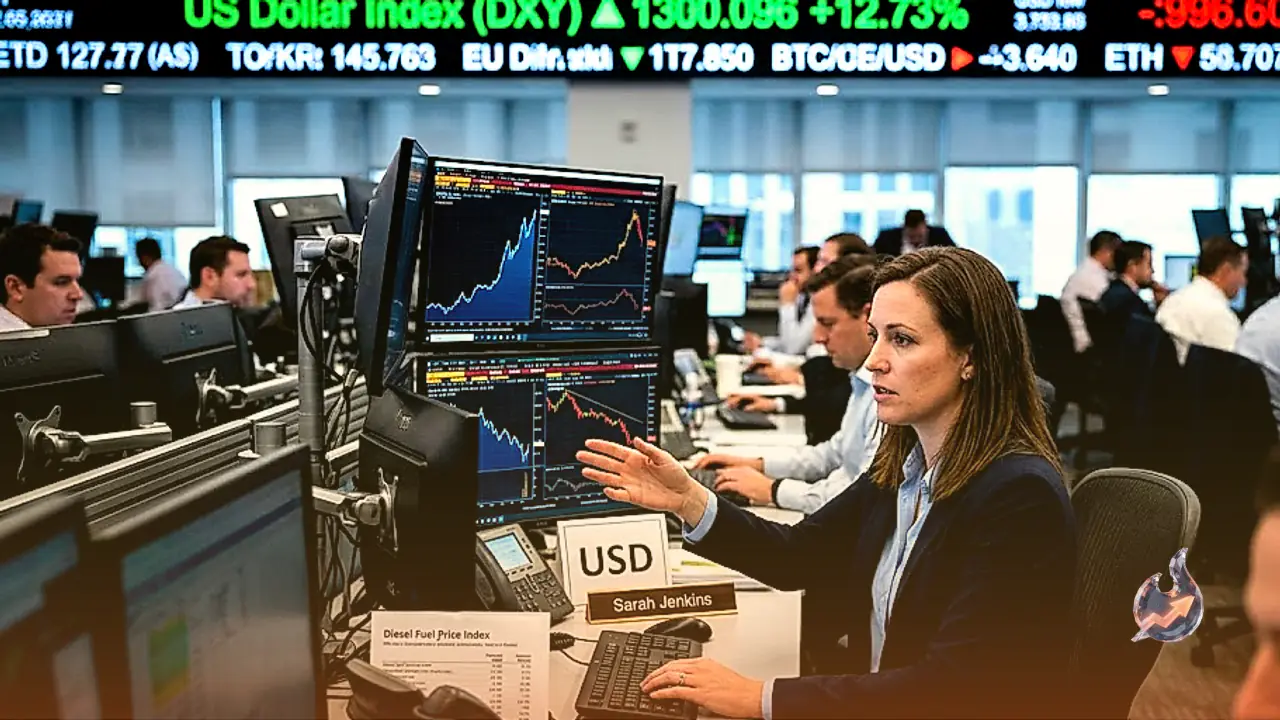
















Singapore's economy is heading into 2026 on a firmer footing than analysts had penciled in, and the reason sits inside the very chips fueling the global artificial intelligence boom. UOB economist Jester Koh has lifted his forecast for the city-state's 2026 GDP growth to 4.8%, up from an earlier 4.0%, following a strong first half of the year (1H26) in which manufacturing and electronics carried the load.
Chips Are Doing the Heavy Lifting
This time the story of Singapore's momentum is being written on the factory floor. AI-related demand is proving durable, and it is that demand pulling electronics and manufacturing forward. When the global appetite for chips that power data centres and AI systems rises, an export-driven hub like Singapore feels the benefit directly. That is why the forecast was nudged higher by a full 0.8 percentage point, a sizeable move for any economy.
The Numbers Behind the Revision
According to Koh, the picture inside the factories points to strength. A rising electronics orders-to-inventories ratio shows companies burning through their existing stock to keep up with brisk demand. "This points to continued strength in AI-related demand. In addition, the increase in the electronics orders-to-inventories ratio suggests that firms are drawing down existing inventories to meet robust demand," he said.
He added, "This should support electronics IP growth in the months ahead. We see left-tail risks to our baseline forecast." In other words, the base case is solid expansion, but there are low-probability, high-impact dangers lurking on the downside.
The Risk That Could Undo It
Against that upbeat backdrop, the biggest threat is emerging from the Middle East. Rising tensions in the region and the possibility of a sudden spike in oil prices could throw the entire electronics cycle off course. Koh cautioned, "This could, in turn, lead to an unwinding of the electronics cycle and weigh materially on growth." Put simply, if energy prices flare up, the same engine that lifted this forecast could stall. For now, the baseline expectation remains one of solid expansion.
Currencies: Pound and Euro Ride a Weaker Dollar
There was plenty of movement in the currency markets too. On Tuesday the British Pound firmed against the US Dollar, trimming earlier losses to return to the 1.3375 area. It is now aiming to retest resistance at the key 200-day Simple Moving Average, a widely watched indicator that sits a few pips below 1.3400 and has been capping the Pound's recovery over the past two weeks. Live data shows GBP/USD trading near 1.34 in the current session, essentially flat (-0.10%) versus the previous close. Its RSI(14) is around 53, a neutral reading, while an ADX of 17 signals there is no strong trend at play, only rangebound trading. Price remains inside Bollinger bands running from 1.31 to 1.35.
The Euro, meanwhile, gave back part of its earlier advance, with EUR/USD easing toward the 1.1440 zone on Tuesday. The pair's firm uptick was driven by a marked sell-off in the US Dollar, which intensified after US inflation figures disappointed expectations in June and investors weighed Chair Warsh's testimony.
Gold Reclaims $4,000
Among precious metals, Gold reversed its recent weakness and pushed back above the key $4,000 per troy ounce mark on Tuesday. The recovery gathered pace after the Greenback's decline and comments from the Fed's Warsh, carrying the metal toward the $4,100 region.
Crypto Treads Water
The crypto market stayed largely stuck in a range. Bitcoin hovered around $62,500 amid sideways trading. Major altcoins such as Ethereum and Ripple held above crucial support levels at $1,700 and $1.05 respectively, reflecting the ongoing consolidation across the sector.
What the Fed Is Signalling
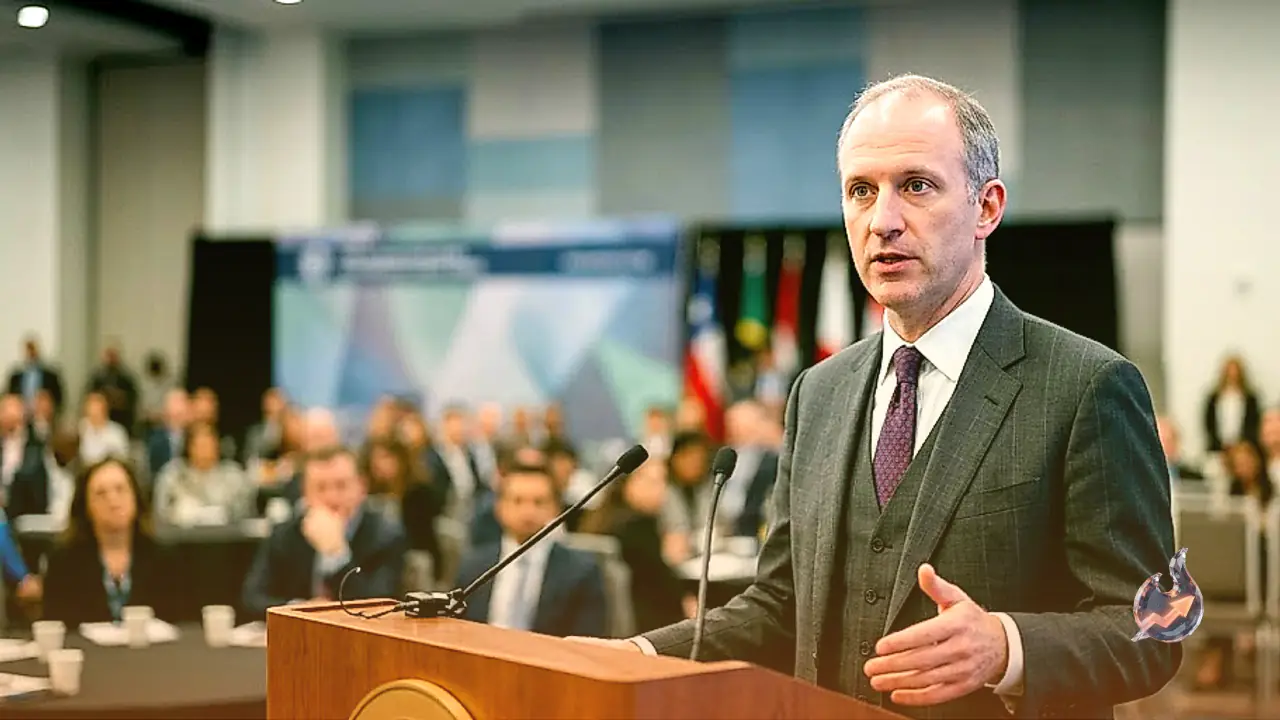
Testifying on the Semiannual Monetary Policy Report before the US House Financial Services Committee, Fed Chairman Kevin Warsh reiterated that the Fed is committed to price stability and its goal of 2% inflation.
Rate Bets on a Round Trip
Markets opened July with a December hike as the base case, then spent five trading sessions unlearning and relearning it. A 57K payrolls print bled the tightening bets out of the strip, while a re-shut Strait of Hormuz is pushing them back in. Wednesday's minutes from the June FOMC meeting landed mid-round-trip, describing a world that had already stopped existing.