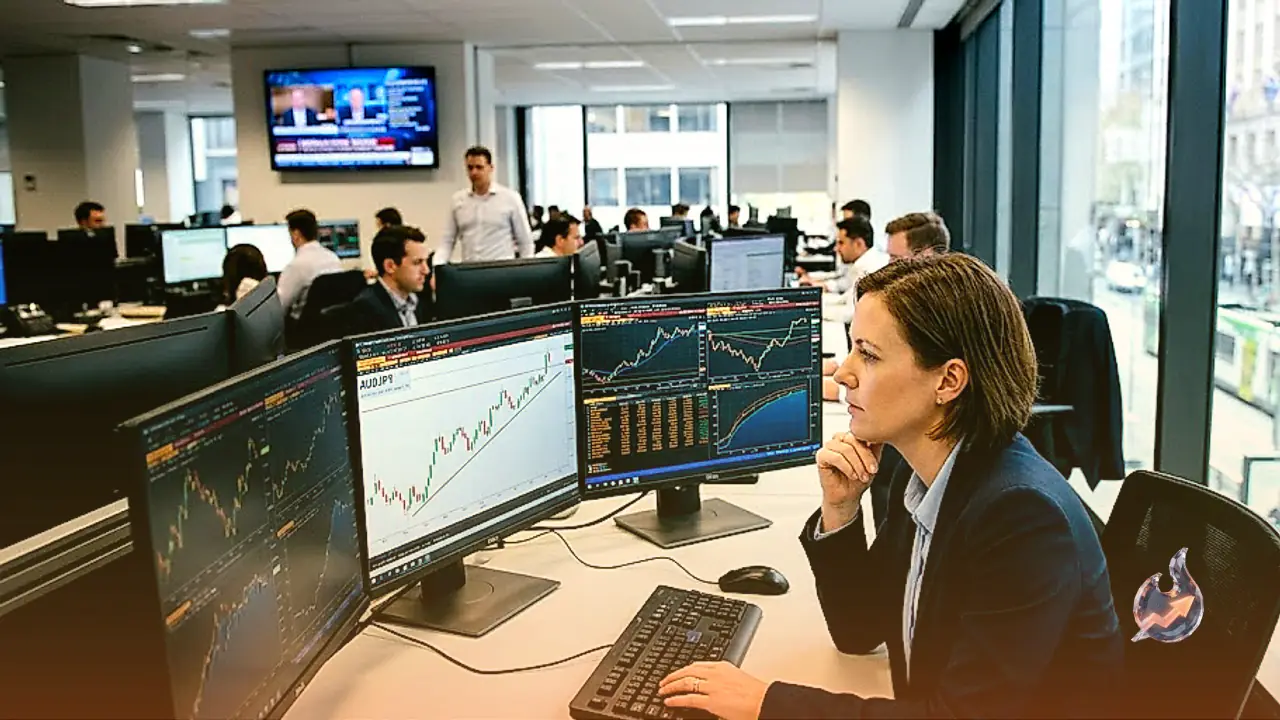

























Artificial Intelligence (AI) continues to serve as the defining theme shaping the economic outlook for the second half of 2026, particularly for technology-centric economies such as Taiwan. Experts monitor the current AI cycle by evaluating three primary layers: the utilization of AI tokens, the capital expenditure (Capex) levels of hyperscalers, and the overarching balance between semiconductor demand and supply. These indicators collectively suggest that the momentum driving the current AI super-cycle is gradually approaching a peak.
Taiwan's Economic Growth Trajectory
Taiwan entered the year 2026 with exceptionally strong economic momentum. Looking ahead to the second half of 2026, forecasts suggest that Taiwan is set to sustain growth above historical trends throughout the third quarter (3Q26). However, economic activity is expected to begin normalizing from the fourth quarter (4Q26) onward. At its core, the AI outlook remains a calculated balance between robust structural optimism and emerging cyclical caution.
Global Market Shifts and the Greenback
Financial markets have experienced a jittery start to the week. The British Pound is facing intensified selling pressure, dragging the GBP/USD pair to new three-day lows near 1.3350. This downward movement follows a strengthened tone in the US Dollar, which has been bolstered by unrelenting tensions in the Middle East. Simultaneously, the EUR/USD pair has revisited the 1.1380 region, marking its lowest levels in several days. Investors are currently positioning themselves for incoming US CPI data and the upcoming semiannual testimony by Chair Warsh.
Commodities and Geopolitical Friction
Precious metals remain under significant downward pressure, with gold breaking below the key $4,000 hurdle per troy ounce to trade near monthly lows. This retracement is a direct response to the recovery in the US Dollar and rising concerns surrounding the US-Iran conflict. Furthermore, energy markets have seen volatility, with oil prices rising by nearly 4% as Brent crude trades above $79 per barrel. This spike follows reports of renewed attacks between the US and Iran in the Gulf and statements from the Iranian regime claiming it has closed the Strait of Hormuz.
Market Sentiment and Interest Rate Expectations
Markets began July operating under the assumption of a December rate hike, only to spend the following sessions recalibrating those expectations. A payrolls print of 57K initially dampened tightening bets, but the re-closure of the Strait of Hormuz is pushing them back into focus. Wednesday's minutes from the June FOMC meeting presented a description of a global economic environment that has shifted rapidly, rendering some of the earlier assessments outdated.