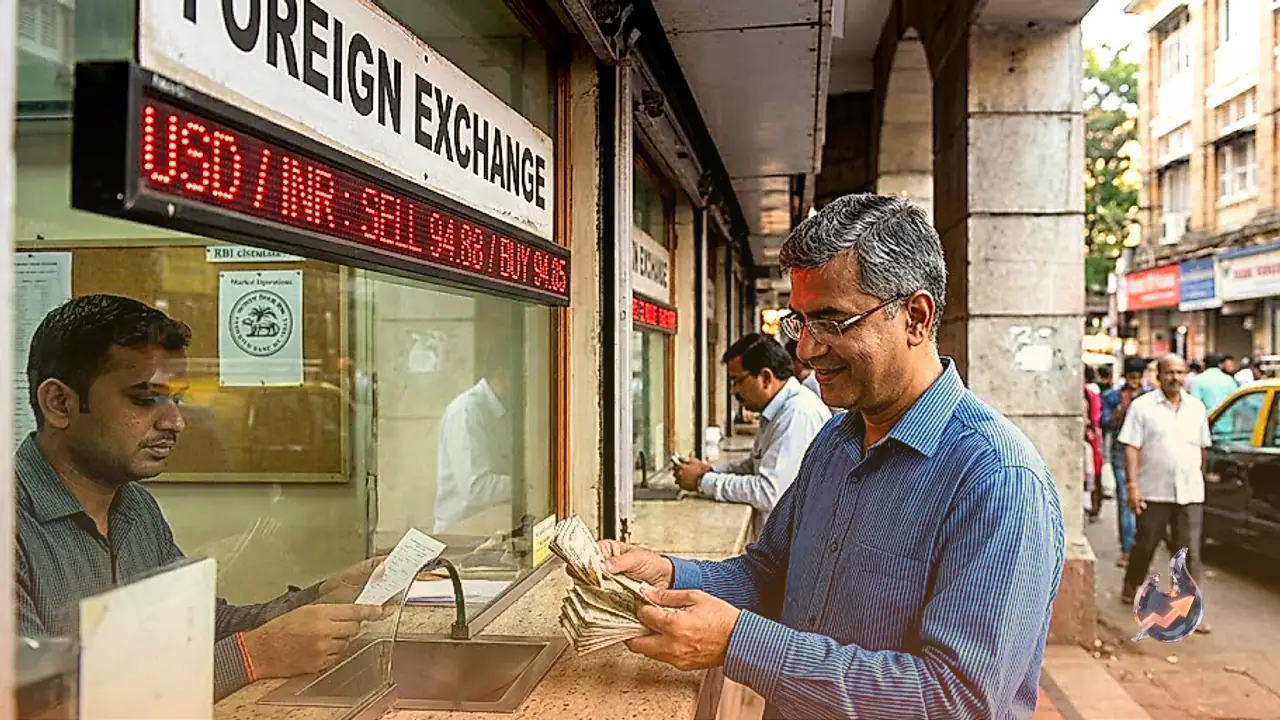























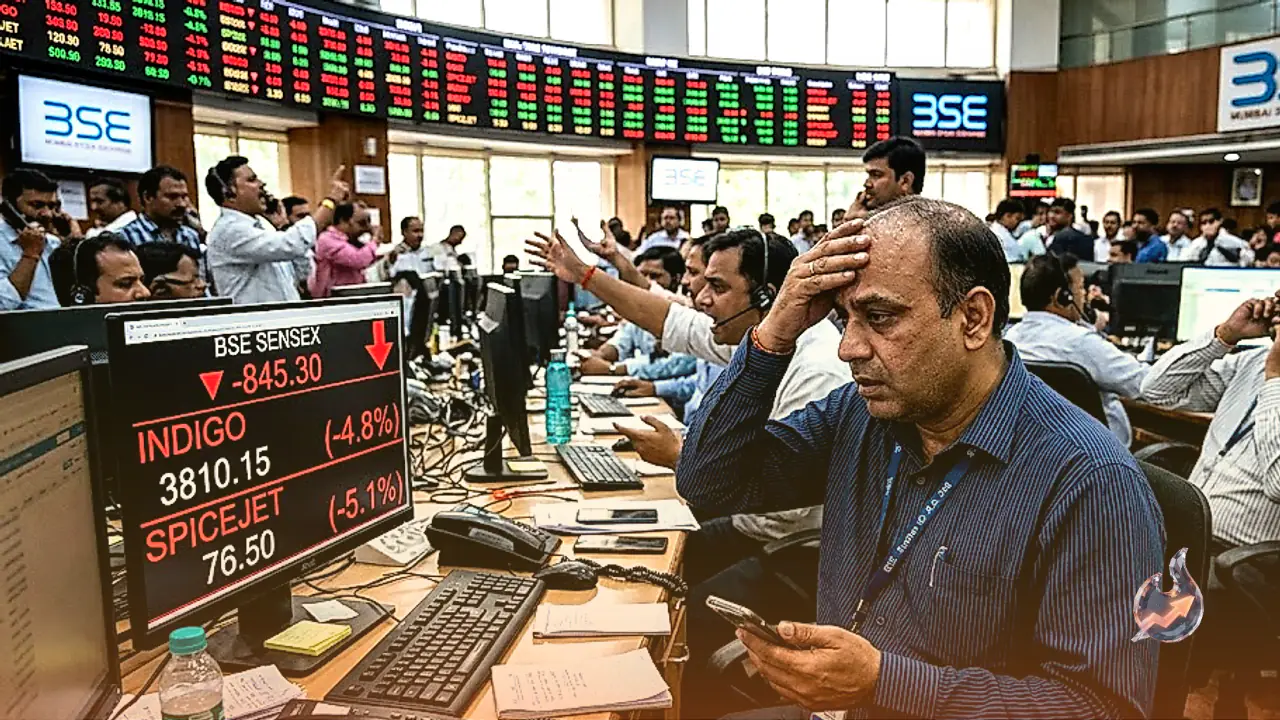

Travelers could soon face higher airfares as state-run oil marketing companies announced a nearly 5.5 percent hike in jet fuel prices for September 2026. The latest price revision has sparked widespread speculation over whether Indian carriers will pass on the additional financial burden to consumers through increased ticket prices. Both major airlines listed on Indian stock exchanges witnessed notable downward pressure on Tuesday following the announcement. Shares of IndiGo and SpiceJet slipped by one to two percent. Market watchers and passengers alike are closely monitoring whether aviation turbine fuel costs will trigger a broader wave of fare hikes across domestic routes.
The cost of aviation turbine fuel has been revised upward by 6.48 rupees per liter, or 5.46 percent, bringing the domestic rate to 121.28 rupees per liter effective September 6, 2026. This marks the second consecutive monthly adjustment in jet fuel prices. Earlier, on August 1, rates were raised by 5 rupees per liter to 115 rupees from the previous 105 or 110-rupee mark, following a 5-rupee reduction implemented in July.
The updated pricing structure is tied directly to the government price stabilization framework. In the wake of intense West Asia disruptions that severely impacted global aviation, the administration established a price stabilization fund specifically for scheduled domestic carriers to manage volatile fuel pricing. An allocation of 10,000 crore rupees was sanctioned for this specific initiative. Under the program, financial support is extended to oil marketing companies to maintain stable jet fuel rates for airlines amid exceptional market volatility stemming from the ongoing Middle East conflict. Additionally, the funding corpus compensates fuel retailers for losses incurred when prevailing import parity benchmarks exceed pre-determined pricing thresholds.
Participation in the scheme remains voluntary, offering carriers the option to lock in fuel rates for a period of up to three years. Operators choosing not to participate continue purchasing fuel based on prevailing market-linked rates. Historically, aviation turbine fuel constitutes between 35 and 40 percent of total operational expenses for domestic carriers. Whenever fuel costs escalate, overall operational expenditures climb correspondingly. To mitigate margin pressures, airlines typically transfer the burden to passengers by adjusting base fares, implementing or raising fuel surcharges, curtailing promotional discounts, or increasing ticket prices on high-demand routes.
Assessing the broader industry outlook, the International Air Transport Association released a report on June 7, 2026, indicating that Middle East tensions and elevated fuel expenses could slash global airline profitability in half. Willie Walsh, Director General of the International Air Transport Association, noted that war-related airspace disruptions and soaring fuel bills have significantly worsened the sector outlook, with global airline profits expected to shrink from 45 billion dollars in 2025 to 23 billion dollars this year, while profit margins contract from 4.2 percent to 2.0 percent.
Walsh further emphasized that carriers are absorbing a substantial portion of the fuel price shock despite incremental fare increases, leaving net profit per passenger severely constrained. International crude oil benchmarks remain a primary determinant of domestic jet fuel pricing. Currently, both United States West Texas Intermediate and Brent crude benchmarks have climbed one percent each, trading near 87 dollars and 91.30 dollars per barrel, respectively. As long as crude valuations remain elevated, cost pressures on carriers are expected to persist.
The upcoming July-September financial results will provide a clearer picture of how renewed geopolitical tensions between the United States and Iran impact airline balance sheets. Meanwhile, aviation equities faced heavy selling on September 1, 2026. Interglobe Aviation, operating as IndiGo, saw its stock decline by 112 rupees, or 2.2 percent, trading near 5,072 rupees per share on the Bombay Stock Exchange, with a market capitalization of 1,96,117.30 crore rupees. Concurrently, SpiceJet shares dipped 1.3 percent to trade around 10.19 rupees apiece, registering a market capitalization of 1,555.10 crore rupees. IndiGo remains the dominant domestic carrier with a market share exceeding 66 percent, followed by Air India at approximately 24 percent, Akasa Air near 6.4 percent, and SpiceJet holding roughly two percent.