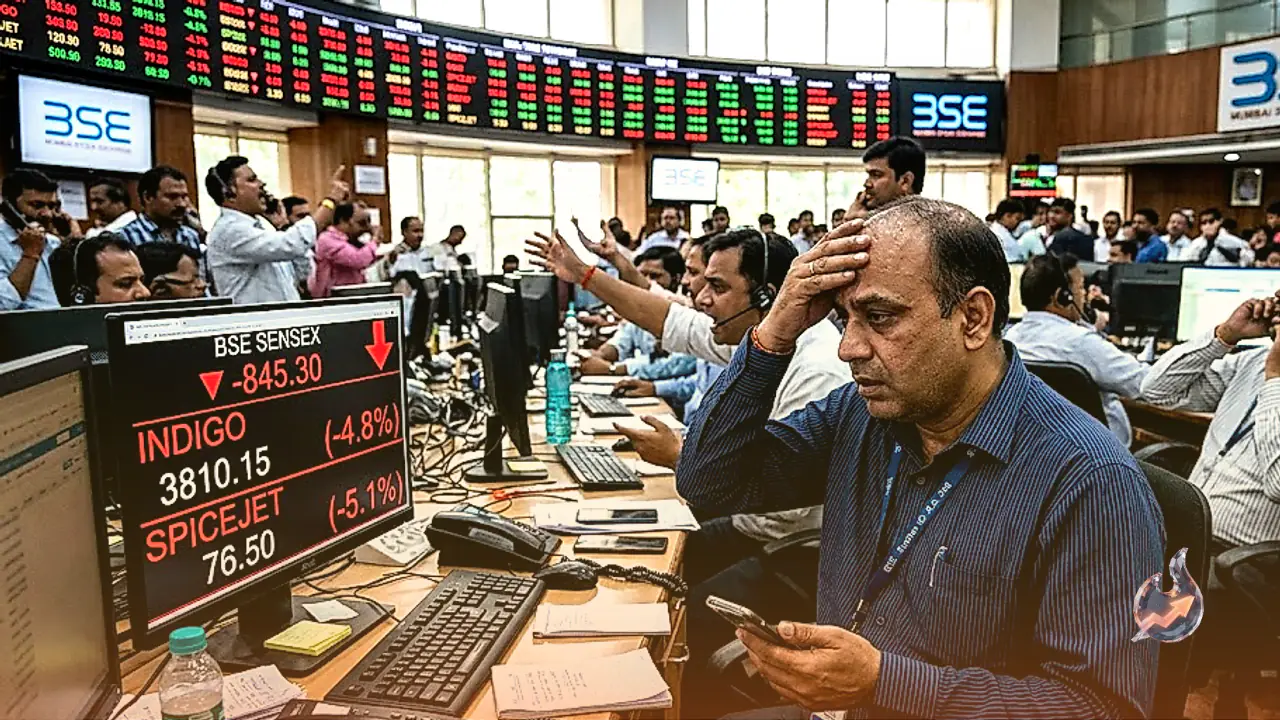

























The Indian Rupee has appreciated notably against the US Dollar, bringing the exchange rate down to near 94.88. This level marks the strongest position for the domestic currency in two months. Persistent intervention by the Reserve Bank of India, strong quarterly GDP figures, and a controlled fiscal deficit have served as key pillars of support for the currency. Meanwhile, investors across global markets are closely monitoring upcoming economic releases from the United States, including manufacturing and employment data.
Central Bank Intervention and Forward Positions
According to market reports, the central bank has maintained continuous intervention through both spot and non-deliverable forward markets to support the Indian currency. However, market participants remain skeptical about the long-term sustainability of this strength, noting that aggressive dollar selling by the central bank leaves limited room for future interventions. Data indicates that net short forward positions reached a record high of $137 billion in July, up from $104 billion in June. Since the central bank will eventually need to purchase US Dollars to balance these outstanding positions, analysts view the current appreciation as provisional.
Gross Domestic Product and Sectoral Growth
Official data released for the second quarter shows that India's GDP growth remained steady at 7.8% Year-on-Year, outperforming earlier estimates of 7.1%. Analysts noted that robust domestic consumption, sustained government spending, healthy investments, and strong export performance drove this growth momentum. Although input cost pressures arose due to West Asian conflicts, they were offset by high volume growth in manufacturing, electricity, and gas sectors, which expanded by nearly 9%. The services sector remained a standout performer, with financial, real estate, and professional services registering a robust growth rate of 12% during the quarter.
Fiscal Deficit and Tax Collections
India's fiscal deficit for the second quarter stood at Rs. 4.55 trillion, equivalent to $47.81 billion, which represents 26.8% of the target for the financial year 2026-27. This containment was largely driven by a substantial surge in net tax receipts. Government revenue collected through taxes rose to Rs. 8.5 trillion, compared with Rs. 6.6 trillion recorded in the same period a year ago, reflecting healthy economic activity and improved compliance.
Global Market Triggers and Technical Outlook
In the United States, market participants await critical economic releases, including the ISM Manufacturing PMI and JOLTS Job Openings data. The primary market trigger for the US Dollar later in the week will be the Nonfarm Payrolls report. Live market data shows USD/INR trading at 94.87, down 0.53% from its previous close of 95.38. Technical indicators reveal the 14-period RSI at 45, while the MACD reads at -0.13 against a signal line of -0.10. Moving averages show the 20-period EMA at 95.36 and the 50-period EMA at 95.40. Key technical levels to watch include immediate resistance at 95.10 and 95.33, alongside support levels positioned at 94.72 and 94.56.
Macroeconomic Determinants of Rupee Valuation
The Indian Rupee is widely recognized as one of the most sensitive emerging market currencies to external shocks. Crude oil import costs, global US Dollar valuations, and foreign capital inflows heavily influence its trajectory. The Reserve Bank of India actively manages exchange rate volatility through forex market operations while utilizing interest rate adjustments to anchor inflation around its 4% target. Higher real interest rates generally attract foreign capital via carry trades, providing structural support to the currency alongside balanced trade accounts and robust economic growth.