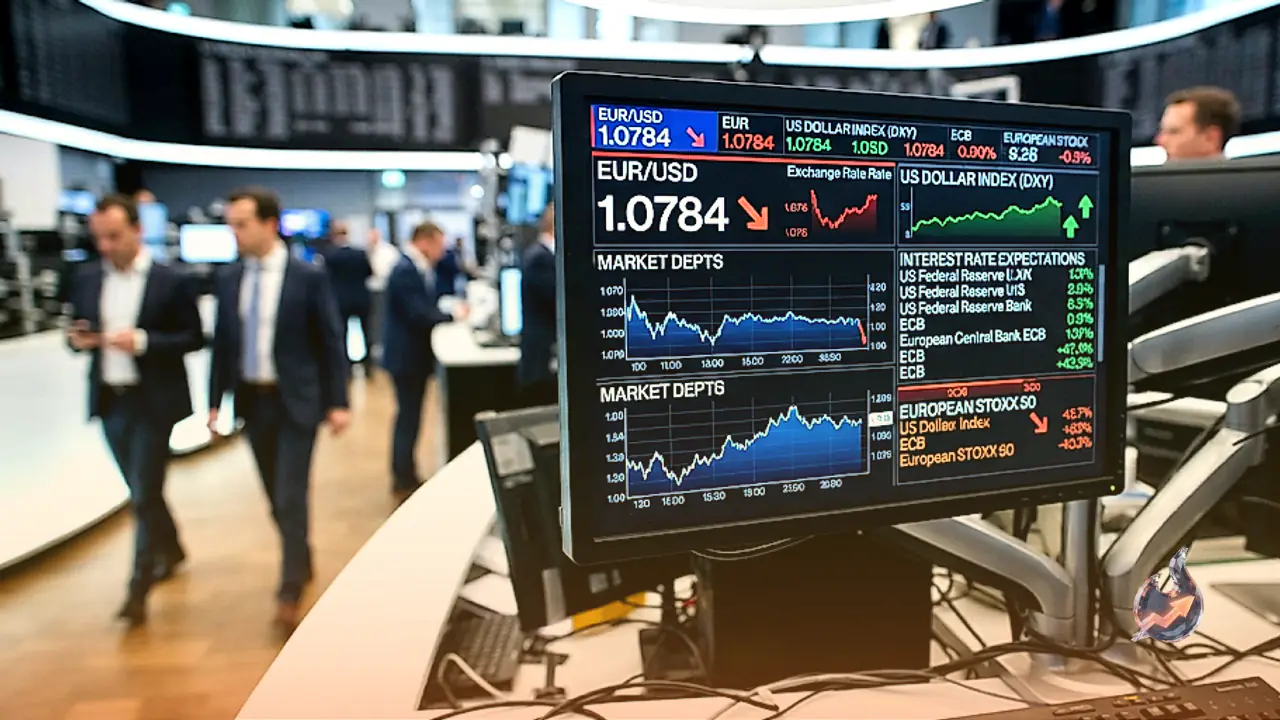

Persistent US Dollar strength and elevated US Treasury yields continue to exert depreciation pressure across emerging market currencies, prompting proactive monetary intervention. In response, Bank Indonesia (BI) implemented a 25 basis point policy rate hike, raising its benchmark rate to 6.00%. Alongside this monetary tightening, the central bank introduced enhanced foreign exchange hedging incentives aimed at buffering the Indonesian Rupiah (IDR) against sharp capital outflows. Market strategists Sim Moh Siong and Christopher Wong noted that while these targeted actions have helped stabilize the currency in the short term, broad-based external headwinds and persistent foreign equity selling remain ongoing constraints.
Bank Indonesia's Multi-Layered Policy Framework
To defend the domestic currency, Bank Indonesia extended its policy response beyond standard interest rate adjustments. The central bank expanded structural incentives for Domestic Non-Deliverable Forward (DNDF) hedging transactions while maintaining active spot and forward intervention. These operations span the offshore NDF market, onshore spot transactions, and the domestic DNDF market. This comprehensive operational approach has effectively restrained severe IDR depreciation, though underlying market sentiment remains cautious amid MSCI index rebalancing uncertainties and continued foreign equity liquidations.
Data indicates that foreign equity outflows reached approximately USD 0.9 billion during the fourth quarter of 2026 through November 16. Nevertheless, overall portfolio flows into Indonesia remained positive at USD 4.8 billion, reinforced by steady foreign demand for government securities and overseas bond issuance. Analysts stress that sustaining near-term exchange rate stability hinges on maintaining international investor confidence in domestic fixed-income assets.
USD/IDR Technical Levels and Market Outlook
From a technical analysis perspective, USD/IDR daily momentum indicators and the Relative Strength Index (RSI) currently show no pronounced directional bias. This suggests the currency pair is likely to experience range-bound, two-way trading near recent peak levels. Dynamic resistance is established at the 18,290 mark, while initial dynamic support sits at 18,151, aligning closely with the 21-day moving average (21 DMA).
Live market observations place USD/IDR around 18,158, within its 52-week trading range of 16,438 to 18,293. The daily pivot point is identified at 18,194, with primary support levels at 18,122 (S1) and 18,085 (S2), alongside resistance at 18,231 (R1) and 18,303 (R2). Strategists indicate that further policy rate tightening remains on the table if currency depreciation pressures intensify, though a durable recovery in IDR will likely require a moderation in global external headwinds.
Global Foreign Exchange Landscape: Aussie and Yen Dynamics
The broader currency market reflects similar volatility driven by macroeconomic and geopolitical developments across major economies
- Australian Dollar (AUD/USD): The Australian Dollar declined toward fresh year-to-date lows near 0.6550 during Friday's Asian trading session. The currency faced selling pressure following weak Australian employment figures, a dovish shift from the Reserve Bank of Australia (RBA), and an unchanged policy stance by the People's Bank of China (PBOC), combined with broad USD strength due to US-Iran tensions.
- Japanese Yen (USD/JPY): USD/JPY pulled back below the mid-159.00s in Friday's Asian session. The Japanese Yen gained support following national Consumer Price Index (CPI) data that reaffirmed market expectations of a December rate hike by the Bank of Japan (BoJ). A risk-off market mood enhanced the Yen's safe-haven appeal, though hawkish Federal Reserve expectations capped significant downside for the pair.
Commodities, Crypto, and Macro Economic Drivers
Precious metals and digital assets have experienced notable price adjustments amid high interest rate expectations. Gold extended its retreat, trading close to the key $3,500 per troy ounce level as market participants priced in prolonged monetary tightening by the Federal Reserve and evaluated ongoing geopolitical developments in the Middle East. Meanwhile, Bitcoin dropped below the $60,000 threshold, reaching levels not seen since early July, with momentum indicators signaling firm selling pressure despite oversold readings.
Looking ahead, market participants are monitoring upcoming US flash PMI metrics and Personal Consumption Expenditures (PCE) inflation reports for clues on Federal Reserve rate expectations. Additionally, Eurozone and UK PMI surveys alongside Australia's upcoming CPI release will provide fresh economic signals shaping global currency markets.