




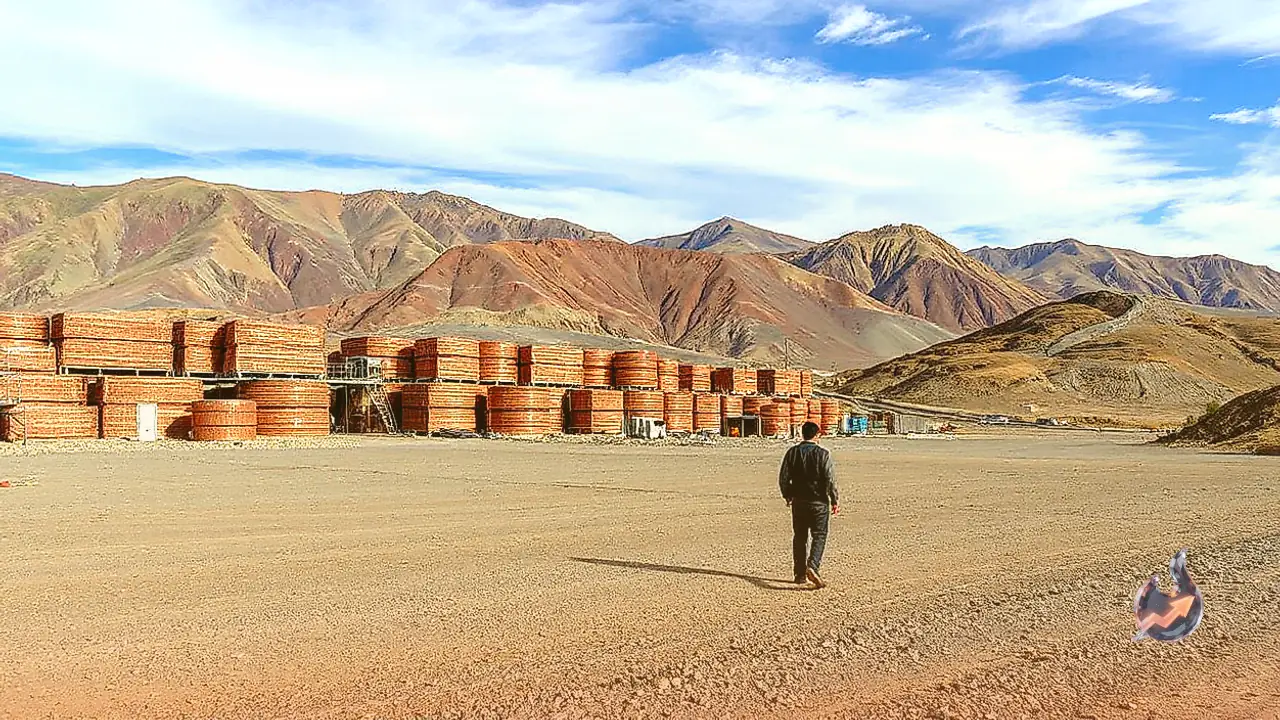


















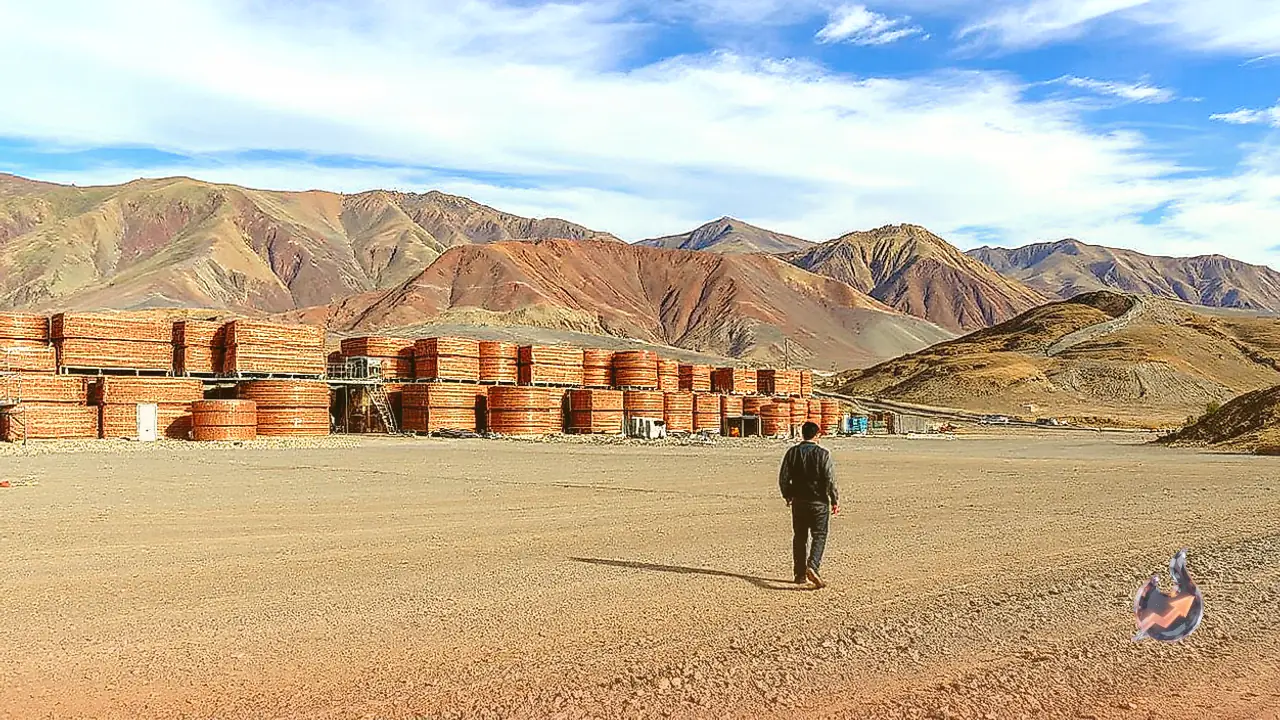

Global metal markets are confronting acute copper supply constraints after third-quarter production in Chile slumped to its weakest level in twenty years. Even with resilient manufacturing demand and robust import volumes into the United States, copper prices have retreated below USD 14,000 per ton as financial markets grapple with broader risk aversion and steep tech-stock selling.
Chilean Output Projections Slashed Sharply
Chilean state copper commission Cochilco has instituted an aggressive downward revision to its national mining projections. While earlier guidance anticipated a negligible decline of 0.6%, the commission now projects output across the world's leading copper producer to drop by 8.4% this year, settling at 4.94 million tons for 2026.
The outlook for 2027 offers only limited relief to global industrial consumers. Cochilco forecasts a modest recovery of 3% next year, lifting output to just under 5.1 million tons. This represents a significant contraction from the commission's prior forecast of 5.55 million tons, highlighting prolonged operational headwinds in major extraction facilities.
Resilient US Import Inflows Contrast With Market Pullback
Industrial demand from the North American sector has provided an underlying buffer against steeper price erosion. Data compiled by information provider IHS Markit reveals that the United States imported 207,000 tons of copper in October. Nevertheless, strong US demand has been overshadowed by defensive investor positioning across international exchanges, dragging baseline spot prices under the USD 14,000 per ton mark.
Foreign Exchange Crosses React to Policy and US Elections
Currency trading floors are displaying defensive postures ahead of major macro catalysts. The AUD/USD pair extended its pullback for a second consecutive session, dipping toward the 0.6960 region and hitting multi-day lows ahead of the Asian opening bell. Traders continue to parse the Reserve Bank of Australia's latest monetary policy decisions while managing risk exposure in advance of US midterm election tallies.
Concurrently, USD/JPY softened during Tuesday's Asian trading, relinquishing a portion of its advance toward 158.00 from the prior session. The greenback faced mild selling pressure amid diplomatic developments involving Iran and election uncertainty in the United States. In Tokyo, the prospect of official currency intervention provided structural support for the Japanese Yen, though ambiguity surrounding the exact timetable for the Bank of Japan's next interest rate hike kept the pair bounded within its established trading channel.
Geopolitical Escalation Lifts Crude as Gold Retreats
Precious metals experienced downward pressure as energy markets reacted to escalating regional conflict. Gold (XAU/USD) surrendered upside momentum on Tuesday, slipping 0.93% on the day to trade near $3,909 per ounce as crude oil prices rebounded following reports of a US strike on Qeshm Island in Iran.
Meanwhile, the US Dollar Index attempted a mild recovery from intra-session troughs while remaining confined below the 102.00 threshold. While geopolitical friction and higher oil costs offered fundamental support to the currency, US domestic political crosscurrents capped further upside gains across the board.