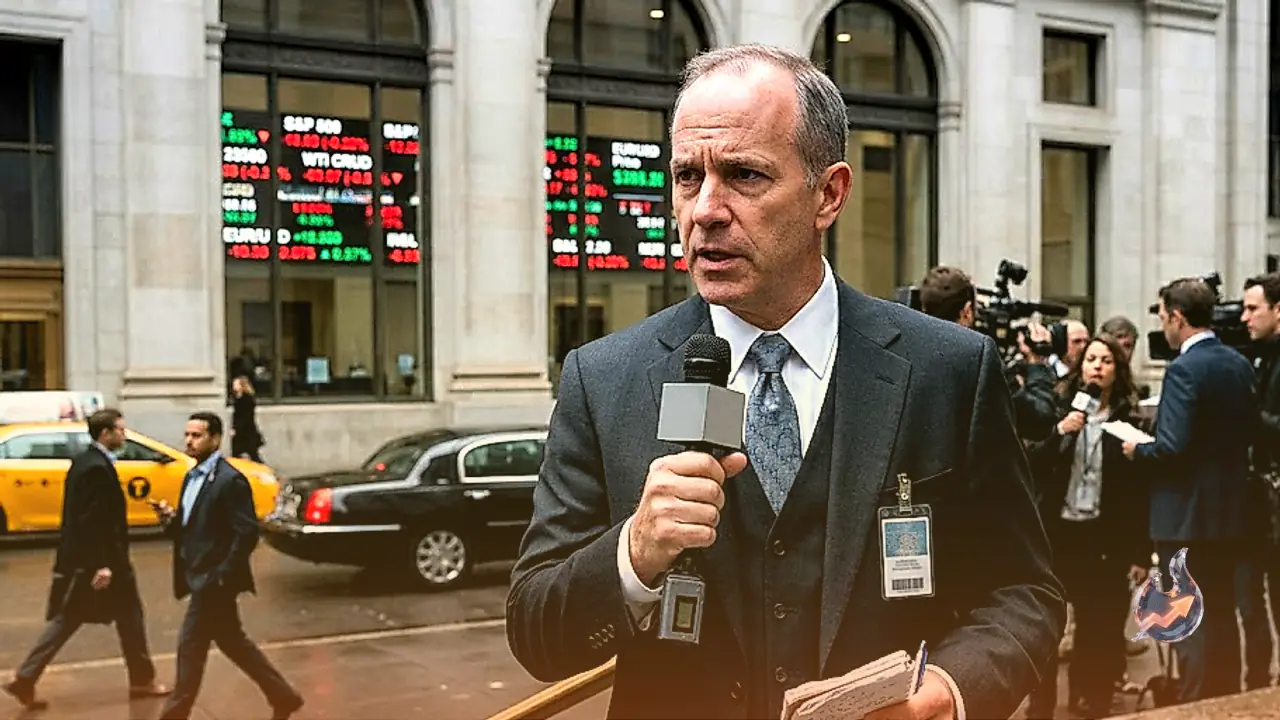

























Global financial markets adopted a heavily cautious stance on Wednesday, September 2, as geopolitical instability in the Middle East deepened into a broader crisis. The escalating conflict drove investors away from risk-sensitive assets and into traditional safe havens, providing substantial tailwinds for the US Dollar. Financial market participants are maintaining a vigilant watch on upcoming economic indicators from the United States, including private sector employment data due later in the day, alongside an impending monetary policy announcement from the Bank of Canada (BoC). On the foreign exchange front, the US Dollar registered broad-based gains against key counterparts this week, exhibiting its strongest performance against the New Zealand Dollar.
Crude Oil Surges Above $90 as Diesel Margins Break Record Highs
The fallout from the Middle Eastern conflict registered most acutely across energy commodities. West Texas Intermediate (WTI) crude futures surged nearly 5% on Tuesday, extending its upward trajectory into Wednesday's Asian trading session to breach the $90 per barrel threshold. This marked the highest price level for WTI since late July. Although prices subsequently moderated to trade flat around $89.50 per barrel, the commodity has advanced in five of the last six trading sessions, touching fresh multi-week highs.
Concurrently, energy refining margins signaled severe structural tightness. The US diesel crack spread—representing the differential between ultra-low sulfur diesel futures and WTI crude—surpassed $100 per barrel for the first time on record, hitting an intraday peak above $102.00. This unprecedented surge underscores acute supply-chain constraints and heightened inflationary pressures stemming from middle-distillate fuel shortages.
Major Currency Pairs Under Pressure Ahead of US Economic Data
Safe-haven inflows significantly reinforced the US Dollar's posture. Following a positive close on Tuesday, the USD Index advanced toward the 100.00 benchmark early Wednesday. The dollar's strength exerted downward momentum across major currency pairs. The EUR/USD pair faced renewed bearish pressure, dipping below 1.1600 to mark a two-week low following consecutive negative sessions. The dual pressures of Middle East escalation and hawkish repricing of Federal Reserve rate expectations continue to weigh heavily on the Euro.
Simultaneously, GBP/USD declined toward 1.3500 during early European trading. Investor attention remains fixed on Friday's official US August Non-Farm Payrolls report for clearer direction on Fed policy. Meanwhile, spot gold staged a minor recovery after falling to a four-week low, rising above $4,320 per ounce heading into the European session. While a brief pause in the US Dollar rally offered temporary relief to gold, broader upside potential remains constrained by persistent expectations of tighter monetary policy in the US.
Bank of Canada Decision and the Impact of US-Canada Diplomatic Relations
The Canadian Dollar (CAD) faces a critical juncture ahead of the Bank of Canada's policy decision. However, currency analysts suggest that the primary headwinds for CAD extend well beyond domestic interest rate settings. Analysts at Commerzbank emphasized that diplomatic relations between Canada and the United States have strained significantly, creating persistent headwinds for the Canadian currency. They noted that even if the BoC delivers a hawkish policy statement, market valuations for the CAD remain heavily tethered to cross-border political dynamics rather than domestic central bank signaling.
Central Bank Mandates, Monetary Policy Tools, and Governance Dynamics
Central banks operate under a core legal mandate to maintain macroeconomic price stability. Central institutions constantly recalibrate monetary tools to prevent structural inflation—where purchasing power systematically declines—or deflation, where falling prices signal economic contraction. Leading central banks, including the Federal Reserve (Fed), the European Central Bank (ECB), and the Bank of England (BoE), explicitly target a medium-term inflation rate of approximately 2%.
The benchmark interest rate serves as the primary instrument for central bank policy transmission. By raising interest rates—a process termed monetary tightening—central banks elevate borrowing costs across commercial banking networks. This suppresses consumer demand and corporate expenditure, bringing inflation down. Conversely, lowering policy rates—monetary easing—stimulates liquidity by reducing credit costs, incentivizing business investment and consumer credit expansion.
Policy decisions are governed by monetary committees whose members are appointed through rigorous legislative oversight. Committee members often fall into distinct ideological camps: 'doves' advocate for lower rates and accommodative conditions to maximize employment and output, accepting modest inflation overshoots above 2%. Conversely, 'hawks' prioritize strict inflation containment at or below 2%, favoring elevated interest rates to encourage savings. Meetings are presided over by a central bank chair or president who fosters consensus and casts deciding votes in split decisions. Prior to rate announcements, committee members adhere to a strict blackout period prohibiting public commentary on monetary outlooks.
Cryptocurrency Market Momentum Cools Following August Rally
Digital asset markets faced broad selling pressure as technical indicators signaled cooling momentum following robust gains throughout August. Major cryptocurrencies, including Bitcoin (BTC), Ethereum (ETH), and Ripple (XRP), retreated from recent highs. Bitcoin displayed early bearish chart patterns, while Ethereum extended its correction after failing to sustain levels near $2,500. Meanwhile, Ripple (XRP) consolidated below key technical support levels, reflecting cautious sentiment across the broader digital asset ecosystem.