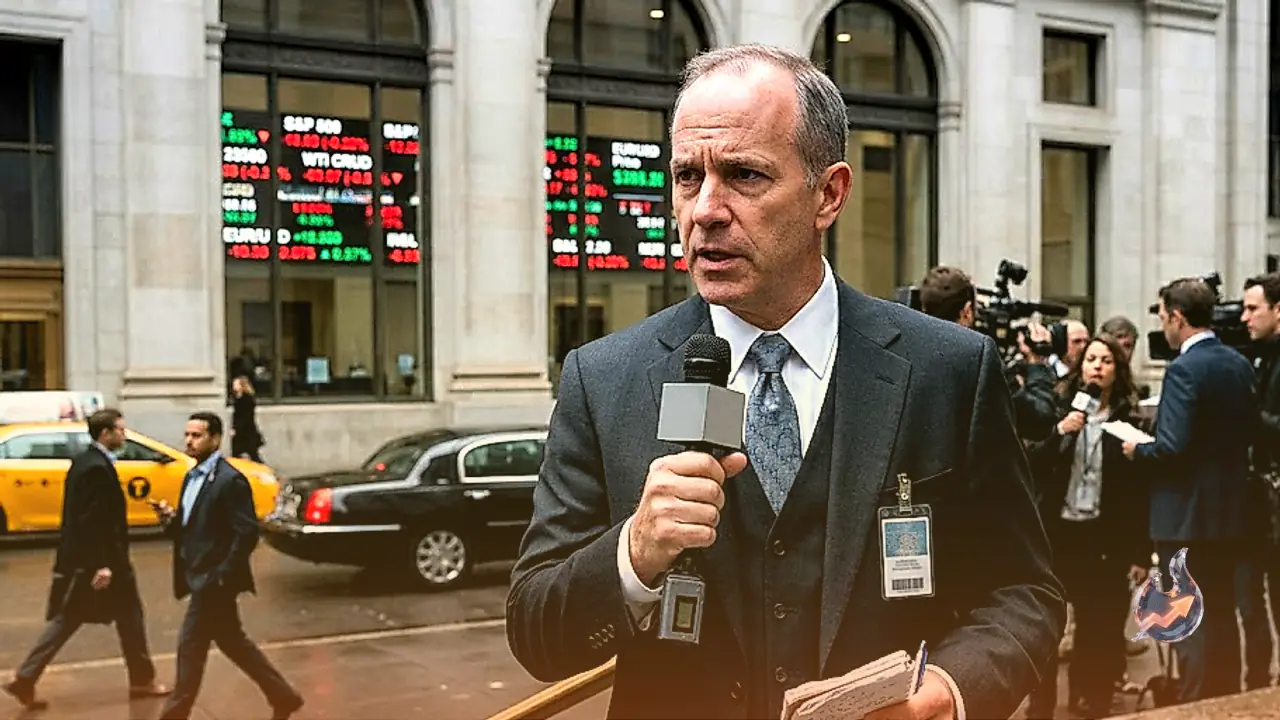
























The Bank of Canada has maintained its benchmark interest rate at 2.25% during its latest policy announcement, meeting widespread market expectations. Financial analysts viewed the likelihood of an unexpected rate increase as minimal. Although headline Consumer Price Index (CPI) figures rebounded to 3.0% in July, core inflation measures remained stably anchored within the 1.9% to 2.0% range, allowing policymakers to keep borrowing costs steady.
Canadian Economy, Trade Spats, and Monetary Policy
Canada recently logged encouraging employment reads alongside a respectable 3.3% annualized GDP growth rate in the second quarter (2Q). However, these positive economic indicators have been overshadowed by escalating diplomatic and trade disputes between the United States and Canada. The Bank of Canada views trade tariffs primarily as a force that dampens overall economic activity and job creation. Even though retaliatory tariffs implemented by Canada carry the potential to push up consumer prices, the low starting baseline for core inflation argues against a sudden shift toward a hawkish policy stance.
Bank of Canada Governor Tiff Macklem is expected to emphasize that monetary policy cannot serve as a corrective tool for international trade disputes, while still keeping options open for potential tightening should conditions demand it. Financial markets are currently pricing in 27 basis points (bp) of interest rate tightening by the January policy meeting. Market participants anticipate little reason to revise these expectations following the latest decision, given that these projections are largely derived from the US dollar yield curve. Continued trade uncertainty in North America poses persistent downside risks for the Canadian dollar (CAD), as business investment, recruitment, and consumer spending face headwinds even if tariff negotiations occur eventually.
Global Foreign Exchange: Key Dynamics in EUR/USD and GBP/USD
In broader foreign exchange markets, the GBP/USD currency pair slipped toward the 1.3500 handle during early European trading hours on Wednesday. Escalating geopolitical tensions in the Middle East provided safe-haven support to the US dollar against the British pound. Foreign exchange traders are keeping a close watch on the upcoming US non-farm payrolls report scheduled for release later on Friday.
Meanwhile, EUR/USD remained under sustained downside pressure after closing in negative territory on Tuesday, trading at its lowest point in two weeks below 1.1600 on Wednesday. Intensifying Middle East conflicts drove risk-averse capital flows toward the Greenback, reinforced by market repricing around a hawkish Federal Reserve stance. Investors are also preparing to analyze upcoming private sector labor market reports from the US.
Commodities Shift: Gold Rebounds While Crude and Diesel Surge
In commodities, gold prices recovered from an earlier four-week low to trade above $4,320 per ounce heading into the European session. A mild pullback in the US dollar offered temporary support to bullion, though substantial price appreciation remains capped by expectations of sustained Federal Reserve interest rate policy. Energy markets experienced notable gains as the Middle East conflict propelled crude oil prices to fresh highs since July 24, reviving inflation concerns and solidifying market bets regarding a potential Fed rate hike in September.
West Texas Intermediate (WTI) crude oil advanced for a third consecutive trading session, marking its fifth positive session out of the last six, as it touched its highest level since July 24 during Asian trading hours on Wednesday. Concurrently, refined products exhibited sharp moves as the US diesel crack spread—the premium of ultra-low sulfur diesel futures over WTI crude—surged past $100 per barrel for the first time on record, hitting an intraday peak slightly above $102.00 per barrel.
US Employment Forecasts and Upcoming Indicators
Looking ahead to economic data releases, the Automatic Data Processing (ADP) Research Institute is set to publish its monthly report on US private sector employment for August next Wednesday. Expectations point toward the US private sector adding 47,000 (47K) new positions during the month, representing a slight increase from the 44,000 (44K) private jobs reported in July.