
Currency markets saw the Euro struggling to capitalize on earlier gains at the start of the week, remaining confined beneath crucial resistance thresholds. Despite an encouraging performance from the manufacturing base across the Eurozone, weaker service sector numbers checked investor enthusiasm. The common currency held onto modest advances as the US Dollar stayed on the defensive, yet trading action remained heavily restricted near 19-month lows.
Eurozone Business Activity Highlights Sectoral Divergence
Preliminary readings from the November HCOB Purchasing Managers Index (PMI) presented a contrasting narrative across key economic engines in the Eurozone. Factory activity demonstrated unexpected resilience, accelerating to 52.9 during November compared to 52.7 recorded in October. This outcome beat market expectations, which had anticipated a more modest uptick to 52.8, signaling that industrial output continues to expand at a steady pace.
In contrast, the broader services sector lost forward momentum. Activity slipped to 51.2 from 51.4 in the preceding month, failing to meet market forecasts that had projected an improvement to 51.8. Because services represent a dominant share of total output, this slowdown weighed heavily on sentiment and kept the EUR/USD exchange rate capped beneath 1.1000, leaving it in close proximity to 19-month lows around 1.0950.
French Output Lags Market Expectations
Regional economic concerns deepened following the release of flash indicators from France, the second-largest economy in the currency bloc. French corporate performance disappointed across the board. The country's manufacturing segment sank deeper into contraction territory, indicating heightened operational headwinds for factories.
While French services registered a mild uptick, the final reading remained beneath consensus forecasts. This uneven regional performance underscored the persistent economic vulnerabilities confronting Europe, making it harder for the single currency to establish sustained upward traction against major trading peers.
US Monetary Trajectory and Dollar Headwinds
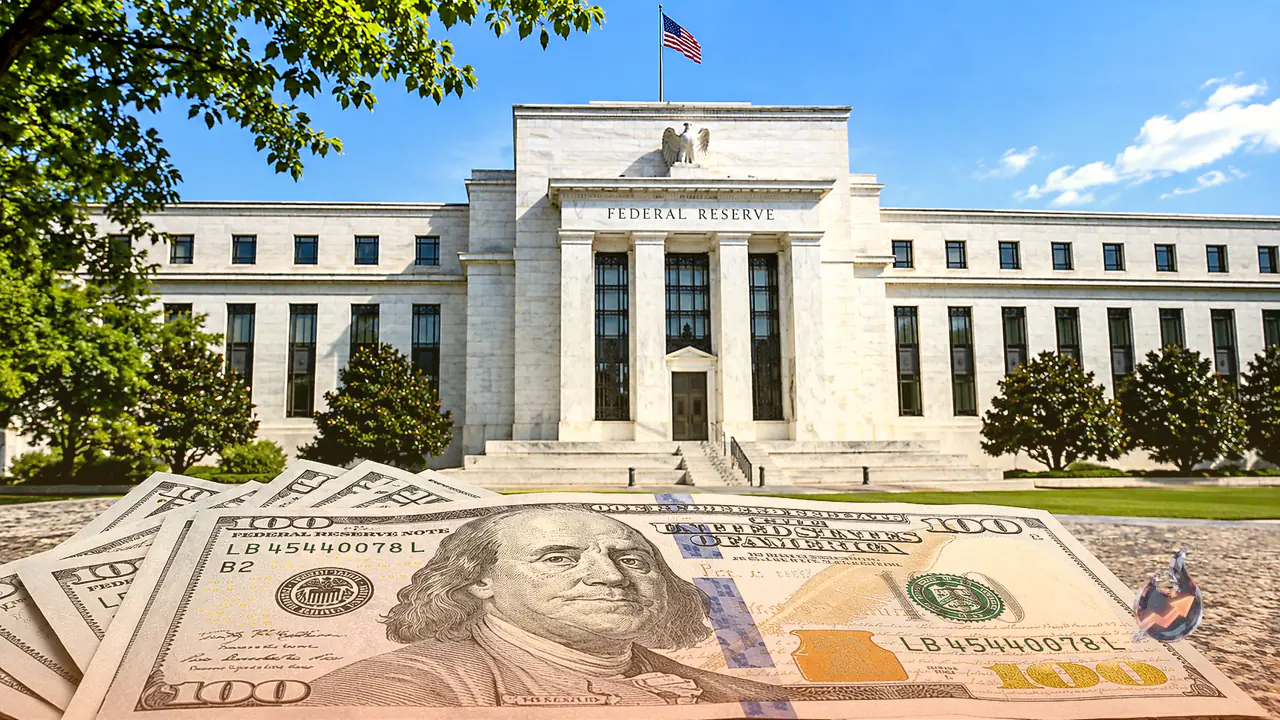
The US Dollar was unable to fully exploit European weaknesses as traders reassessed the prospective trajectory of Federal Reserve policy. Investors actively pared back expectations for aggressive interest rate hikes following public commentary from US Treasury Secretary Scott Bessent. Bessent cautioned that the central bank risks jeopardizing the broader US economy by tightening policy too severely in reaction to current inflation figures.
This warning tempered aggressive rate-hike speculation, helping the Euro salvage slight gains despite internal economic drag. Nonetheless, the greenback continues to hover within reach of its April 2025 highs, buoyed by underlying geopolitical tensions and ongoing policy debates.
Cross-Asset Movements in Gold and G10 Currencies
The softer tone surrounding aggressive US monetary policy reverberated across global asset classes during early European hours. Gold maintained a bid tone around the key $3,600 round figure, although the absence of sustained follow-through buying prompted market participants to adopt a cautious stance.
In currency trading, the Australian Dollar snapped a three-day losing run that had previously driven it to a year-to-date low on Friday. The AUD/USD pair rebounded above 0.6650 to begin the week, though domestic challenges remain pronounced. Soft Australian flash PMIs alongside a dovish stance from the Reserve Bank of Australia are expected to limit the currency's upward trajectory alongside ongoing trade and geopolitical concerns.
Meanwhile, the Japanese Yen came under renewed selling pressure as lingering uncertainty over the pace of Bank of Japan rate increases undermined support. The USD/JPY pair rebounded toward 159.00, clawing back losses from Friday when it reached a one-week low. While broader dollar stability and Middle East developments lent support to the pair, potential currency intervention risks from Japanese authorities continue to cast a shadow over future gains.
Digital Assets: Pi Network Rebounds from Troughs
In the digital currency ecosystem, Pi Network (PI) staged a recovery on Monday, rising back above $0.0550. The bounce extended positive momentum over three consecutive sessions following an all-time low of $0.0473 established on Friday. Nevertheless, structural challenges persist, as Valour's PI-focused Exchange Traded Product continues to encounter subdued interest among institutional market participants following a year-to-date decline exceeding 70%.