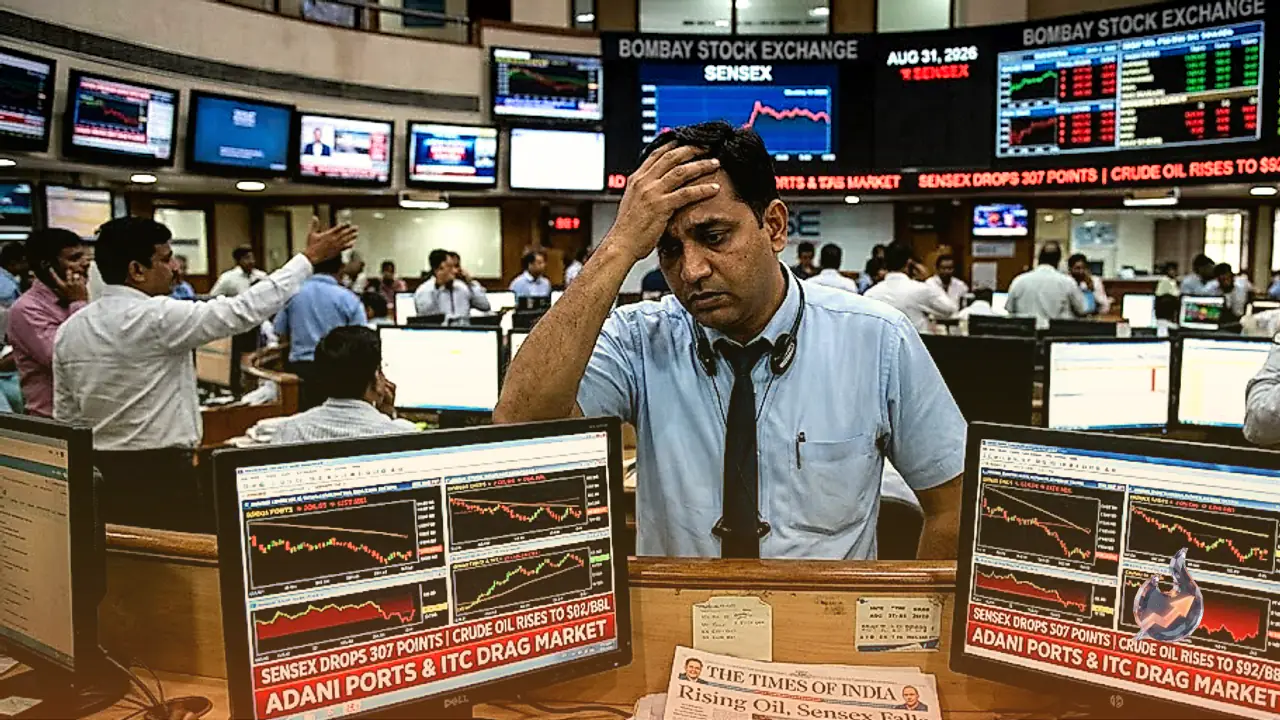

























Geopolitical friction in the Middle East continues to cast a shadow over global financial markets, with investors carefully watching the evolving situation. Iran has stated that it is awaiting a definitive response from the United States regarding a seven-day proposal aimed at resolving issues around the Strait of Hormuz. Simultaneously, Tehran maintains a firm stance, insisting it will not relax its conditions for reopening the strategic maritime passage. In response, US President Donald Trump rejected the latest proposal but signaled that negotiations between the two nations could resume within the week. This combination of diplomatic maneuvering and military readiness is dictating global market sentiment across currencies, commodities, and equities.
Diplomatic and Military Standoff at the Strait of Hormuz
Iranian Foreign Minister Abbas Araghchi reaffirmed that any progress toward opening the Strait of Hormuz remains strictly conditional upon the fulfillment of Tehran's demands. Iranian authorities emphasized that they will not retreat from their established position, while senior military officials reiterated their readiness to maintain defense posture if conflict escalates.
On the American side, President Donald Trump confirmed that while the initial seven-day proposal from Iran was deemed unacceptable, diplomatic channels might reopen soon. Trump indicated that discussions with Iranian representatives could resume during the week, attempting to navigate a path toward de-escalation despite ongoing military posturing on both sides.
Understanding Market Dynamics: Risk-On vs Risk-Off
The geopolitical uncertainty highlights the financial concepts of "risk-on" and "risk-off" market phases. During a risk-on environment, investors feel optimistic about global growth and display a willingness to allocate capital into riskier assets such as equities, commodities, and cryptocurrencies, anticipating higher returns. Conversely, in a risk-off environment, capital moves toward preservation, leading investors to seek safety in government bonds, gold, and stable currencies, even if yields are modest.
In typical risk-on periods, currencies tied heavily to raw material exports perform strongly. The Australian Dollar (AUD), Canadian Dollar (CAD), and New Zealand Dollar (NZD) gain traction due to increased global demand for commodities. Emerging market and commodity-linked foreign exchange like the South African Rand (ZAR) and Russian Ruble (RUB) also benefit as broader economic activity picks up momentum.
Safe-Haven Assets: USD, JPY, and CHF Mechanics
When market sentiment shifts to risk-off due to war or economic shock, specific fiat currencies act as capital havens. The US Dollar (USD) remains the primary global safe haven due to its reserve status and the perceived safety of US sovereign debt. Investors routinely buy US Treasury instruments during geopolitical instability under the expectation that the world's largest economy will satisfy its debt obligations.
The Japanese Yen (JPY) gains strength during risk-off periods primarily because a vast majority of Japanese government bonds are held by domestic institutional investors who are unlikely to liquidate positions during crisis periods. Meanwhile, the Swiss Franc (CHF) attracts capital due to Switzerland's rigorous banking secrecy, capital protection laws, and history of fiscal stability.
Foreign Exchange Movements: AUD/USD and USD/JPY
In recent foreign exchange trading, the AUD/USD pair lost upside momentum, pulling back toward the 0.7010 mark in early Asian trading. The US Dollar found support from rising US Treasury yields and sustained expectations that the Federal Reserve will implement further interest rate increases. Markets are keeping a close watch on the Reserve Bank of Australia (RBA) ahead of its scheduled policy announcements.
Meanwhile, USD/JPY experienced a slight pullback after testing a three-week peak at 159.00. The pause came as traders exercised caution over potential intervention by Japanese currency authorities. However, underlying bullish momentum for the US Dollar persists, driven by hawkish Federal Reserve expectations and elevated oil prices maintaining inflation concerns. The Bank of Japan's (BoJ) relatively dovish rate posture continues to provide underlying support for spot USD/JPY prices.
Precious Metals and Central Bank Policies
Gold prices registered a modest uptick toward the end of the week, attempting to recover from recent declines while remaining below the key threshold of $4,300 per troy ounce. A slight retreat in the US Dollar index and a minor dip in US Treasury yields provided temporary relief for the precious metal.
On the monetary policy front, both the Federal Reserve and the Bank of Japan delivered 25 basis point (bps) interest rate hikes in their latest meetings. Both central banks are navigating persistent inflation risks while signaling that subsequent monetary policy adjustments will remain strictly contingent upon incoming macroeconomic data.