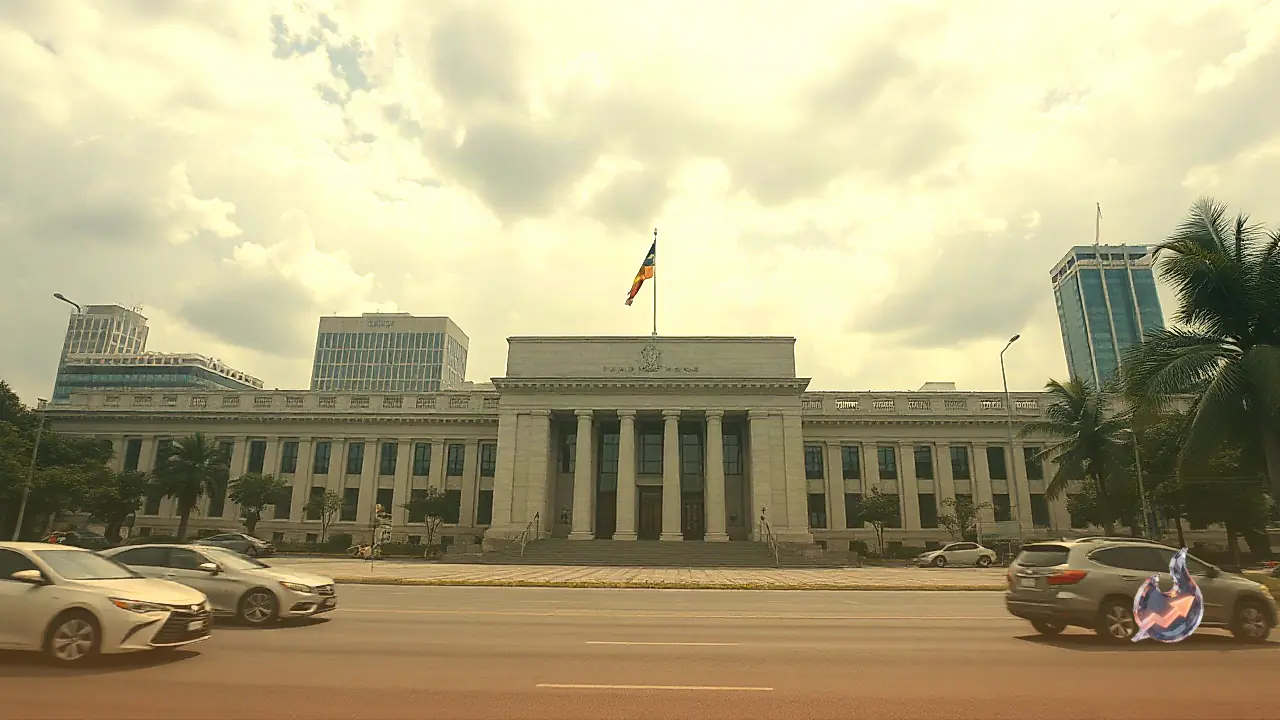

























Indonesia's local markets recently caught a tailwind as the threat of a sovereign credit downgrade eased, yet the upbeat mood is running into a familiar wall, investors remain reluctant to take on risk. Analysts at DBS argue that while the improved ratings backdrop is genuine, any rally in Indonesian assets is likely to be fleeting until outside pressures fade. In their view, the relief is real but the follow-through has yet to arrive.
What is fuelling the positive view
Part of the constructive outlook rests on the expectation that Indonesia will tighten how it funds its signature spending programmes. The free meals programme, one of the government's flagship schemes, is expected to be rationalized rather than allowed to balloon. At the same time, a newly centralized export agency is seen as a channel to lift government revenue. Taken together, these steps feed the belief that the fiscal picture can improve without the government abandoning its core priorities, which is precisely what would keep the rating agencies at bay.
The conditions DBS wants to see
For that optimism to harden into something durable, DBS points to a checklist. A credible commitment to fiscal discipline, shown through a clear medium-term consolidation strategy, stronger revenue mobilization and prudent expenditure management, would be timely.
"Demonstration of a credible commitment to fiscal discipline through a clear medium-term consolidation strategy, stronger revenue mobilization, and prudent expenditure management will be timely."
Just as important, the firm says, is transparent communication. Clear messaging around fiscal priorities, funding plans and contingent liabilities would help cut policy uncertainty and shore up confidence in the government's commitment to keeping its debt sustainable. That reduction in downgrade risk, DBS notes, has already acted as a tailwind for local asset markets, even if the underlying appetite for risk has not fully returned.
Why the rupiah is the weak spot
The currency tells a more cautious story. USD/IDR has climbed back above 18000, pushing the rupiah close to fresh lows and raising the prospect of official intervention. Compared with levels seen before the West Asia conflict, the 2Y Indonesian yield has moved up by nearly 200 basis points, a far bigger adjustment than at the long end of the curve. That shift followed rate hikes and an official preference to offer attractive rate differentials, which in effect has flattened the yield curve. The message from DBS is blunt: until these external stressors ease, any meaningful rally in local markets will prove short-lived.
"Until exogenous stressors subside, a meaningful rally in local markets will prove to be short-lived."
A cooler inflation backdrop abroad
The wider market mood has been shaped by softer US inflation data. Bitcoin climbed above the $65,000 mark on Wednesday after wholesale price figures came in cooler than expected. The Producer Price Index fell 0.3% in June from the previous month, its largest monthly drop since April 2025. On a yearly basis, headline PPI eased to 5.5%, well under the 6.2% economists had penciled in.
The consumer side echoed the trend. June CPI fell 0.4% on the month, the sharpest one-month decline since April 2020, dragging the annual rate down to 3.5% from 4.2% in May and breaking a three-month run of accelerating prices. Core prices, which strip out volatile items, went nowhere on the month and slipped to 2.6% year on year, with both readings coming in below consensus. For Indonesia, the softer global inflation picture offers some breathing room, but the core message from DBS still stands, the optimism needs real fiscal follow-through before local markets can rally for good.