



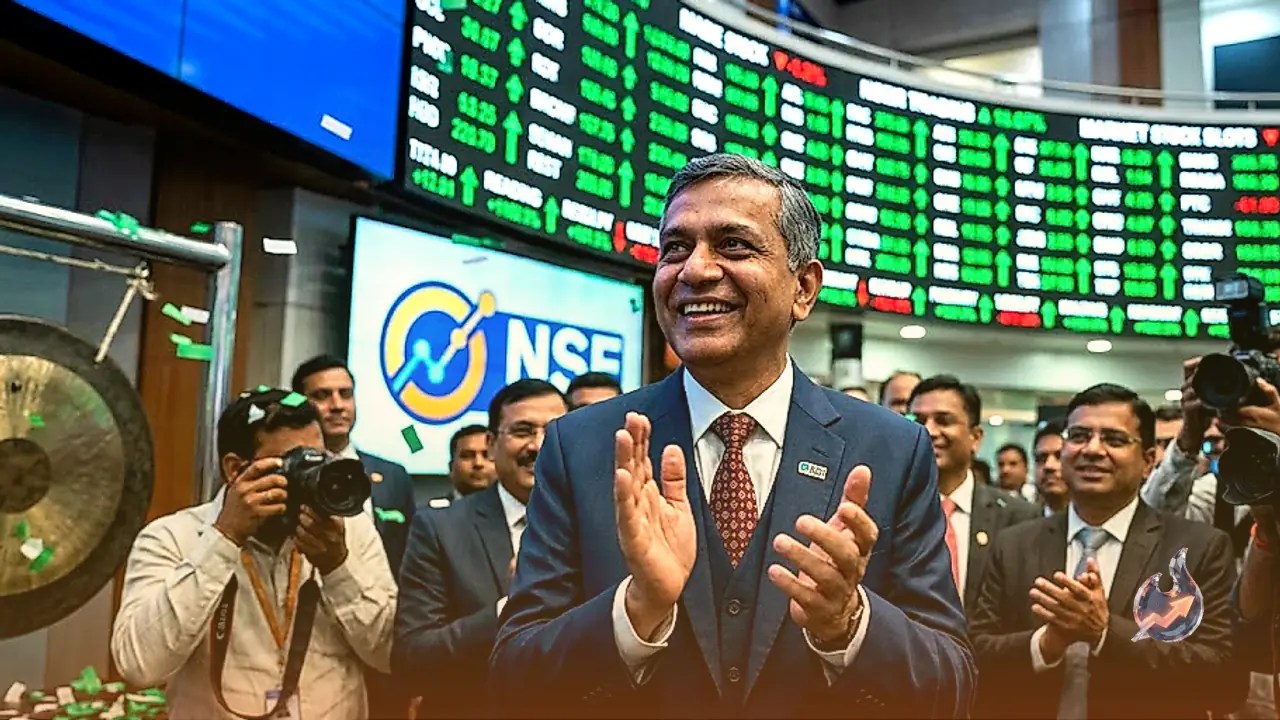
















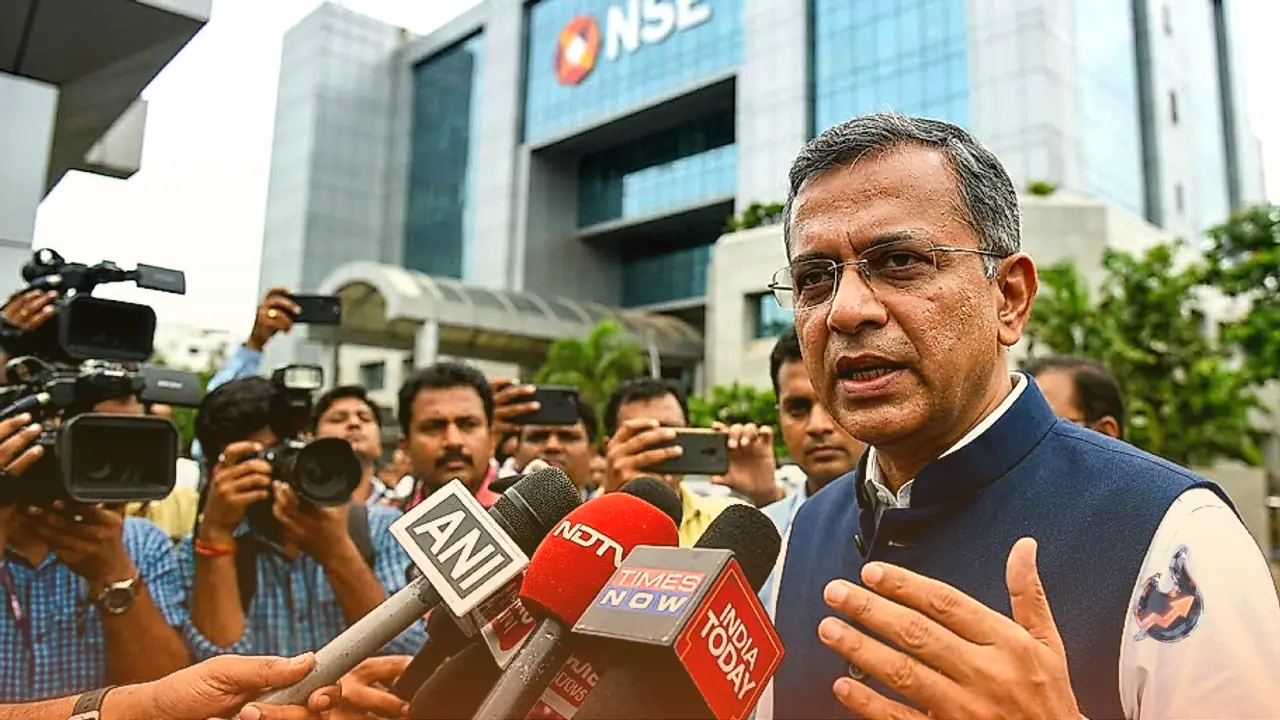

A defining milestone for the domestic capital markets is drawing close as the country's primary trading venue prepares to debut on the bourses. The Securities and Exchange Board of India (SEBI) has cleared the long-anticipated initial public offering (IPO) of the National Stock Exchange (NSE). The regulatory authority issued its formal observation letter to the exchange on September 4, effectively eliminating key administrative hurdles that had kept the listing on hold for years. Market participants and retail traders have now turned their attention toward the formal declaration of bidding dates, price parameters, and final debut timelines.
Regulatory Green Light Sets the Clock Ticking for Listing
The exchange had formally submitted its Draft Red Herring Prospectus (DRHP) to the regulator on June 17, 2026. A previous attempt to take the exchange public was initiated nearly a decade ago, but the entire process had to be shelved following regulatory complications and procedural concerns. With the formal receipt of SEBI's observation letter, the public issue has now reached its decisive execution phase. Preparations are underway for the exchange to float the public issue before the close of the ongoing month, with its equity shares slated for listing exclusively on the Bombay Stock Exchange (BSE) trading platform.
While formal dates remain subject to an official corporate announcement, investment bankers are currently working through the pricing corridor and bidding schedule. A formal Red Herring Prospectus (RHP) filing is expected shortly, with market circles pointing toward a tentative listing timeline around September 25.
Projected 30,000 Crore Rupee Outlay and Landmark Valuation
The entire structure of the public issue will be executed strictly as an Offer for Sale (OFS). Consequently, the exchange itself will not issue fresh shares, meaning no fresh capital will flow directly into company reserves. Instead, pre-IPO owners and legacy shareholders will offload an aggregate of approximately 14.89 crore equity shares, representing nearly 6 percent of the exchange's total paid-up equity base.
Based on secondary transactions and unlisted market pricing visible when the preliminary draft was submitted, the total public offering size is pegged at approximately 30,000 crore rupees. At an estimated company valuation approaching 5 lakh crore rupees, the offering is positioned to become the largest initial public issue ever recorded in Indian financial history. Such a scale would surpass the previous record established by Hyundai Motor India in 2024, which had raised 27,870 crore rupees. The exact capital tally and underlying corporate valuation will be locked in once the syndicate banks determine the official price band.
Major Institutional Shareholders Participating in the Share Sale
A broad consortium of premier financial institutions, state lenders, and international investment entities are participating in the divestment. Among them, SBI Group stands out as the single largest selling shareholder, preparing to tender approximately 2.475 crore equity shares into the secondary sale. Other major participants offering blocks of shares include MS Strategic (Mauritius), CPPIB, Aranda Investments, Bank of Baroda, and Stock Holding Corporation of India.
State-owned insurance majors are also liquidating fractional stakes, with GIC Re, The New India Assurance, National Insurance Company, and United India Insurance Company joining the selling roster alongside various institutional and individual equity holders looking to monetize their positions through this public offering.