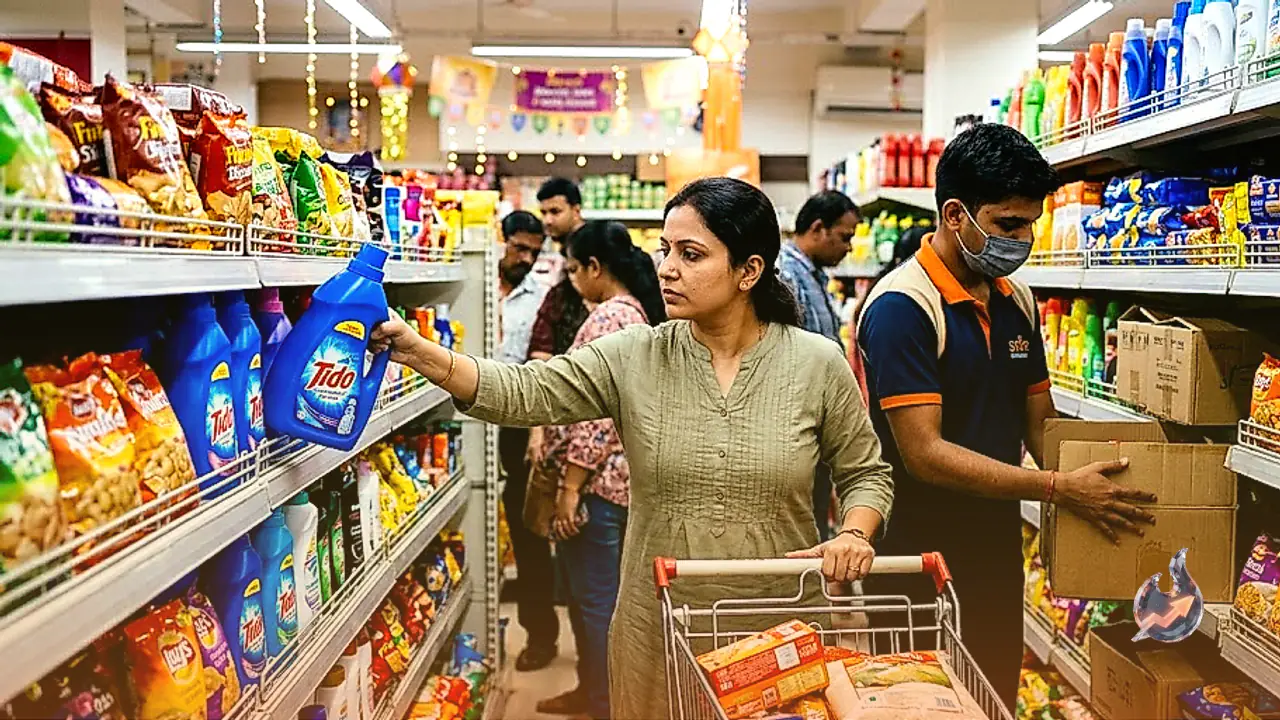























Household budgets are unlikely to face fresh price shocks on everyday packaged goods during the upcoming festive period. Even as escalating geopolitical unrest and high raw material expenses exert considerable pressure on operational expenses, fast-moving consumer goods manufacturers are holding back on price revisions. The current priority across the industry is sustaining consumer demand and driving sales volumes across distribution networks. Industry executives point out that major brands already implemented a 2 to 5 percent price increase on selected merchandise during the June quarter to cushion initial margin hits, leaving minimal likelihood of another substantial price hike before Diwali.
Input Cost Inflation and Supply Disruptions Squeeze Margins
The consumer goods manufacturing ecosystem continues to absorb sharp cost escalation across several vital raw materials. Commodity prices for sugar, edible oils, coffee, and cocoa have experienced sustained increases over recent months. In addition, crude oil-based derivatives widely relied upon for packaging solutions have become substantially more expensive. Global supply chain friction and persistent geopolitical uncertainty have compounded inbound and outbound logistics expenses. Rather than immediately passing these burdens onto shoppers, manufacturers are deploying tighter operational efficiencies, strict cost controls, and adjustments to their product mix. Absorbing this inflation internally has weighed on corporate profitability, but companies remain convinced that expanding market volume during the festive window outweighs short-term margin pressures.
ITC Focuses on Price Stability for Festive Shoppers
Top packaged foods manufacturers are carefully balancing operational challenges against shelf appeal. ITC Foods Division CEO and Executive Director Hemant Malik explained that the company will attempt to maintain price stability throughout the festive stretch. He noted that through disciplined cost management practices and targeted portfolio adjustments, the enterprise is working to soften the blow of higher commodity prices without disrupting consumer shopping patterns.
Dabur Weighs Competitive Dynamics and Prior Revisions
Strategic adjustments have already been rolled out to help navigate volatile international conditions. Dabur India Chief Financial Officer (CFO) Ankush Jain indicated that the firm had already raised prices across select products over recent months to mitigate heightened costs stemming from geopolitical developments. Jain stated that the company will continue monitoring evolving market conditions closely, ensuring that any subsequent pricing choices remain aligned with prevailing competitive dynamics.
Resilient Urban and Rural Demand Guides Industry Strategy
Consumer sentiment across regional retail channels remains resilient, giving manufacturers strong incentives to keep product tags intact. Parle Products Chief Marketing Officer (CMO) Mayank Shah observed that the majority of FMCG companies currently prefer keeping prices flat rather than risking disruption with hikes. Shah highlighted that demand conditions across both rural and urban territories remain decidedly encouraging, and brands are determined to preserve this consumption momentum throughout the festive season. According to Shah, consumers are unlikely to encounter any major price increases in FMCG categories at least until Diwali concludes.