























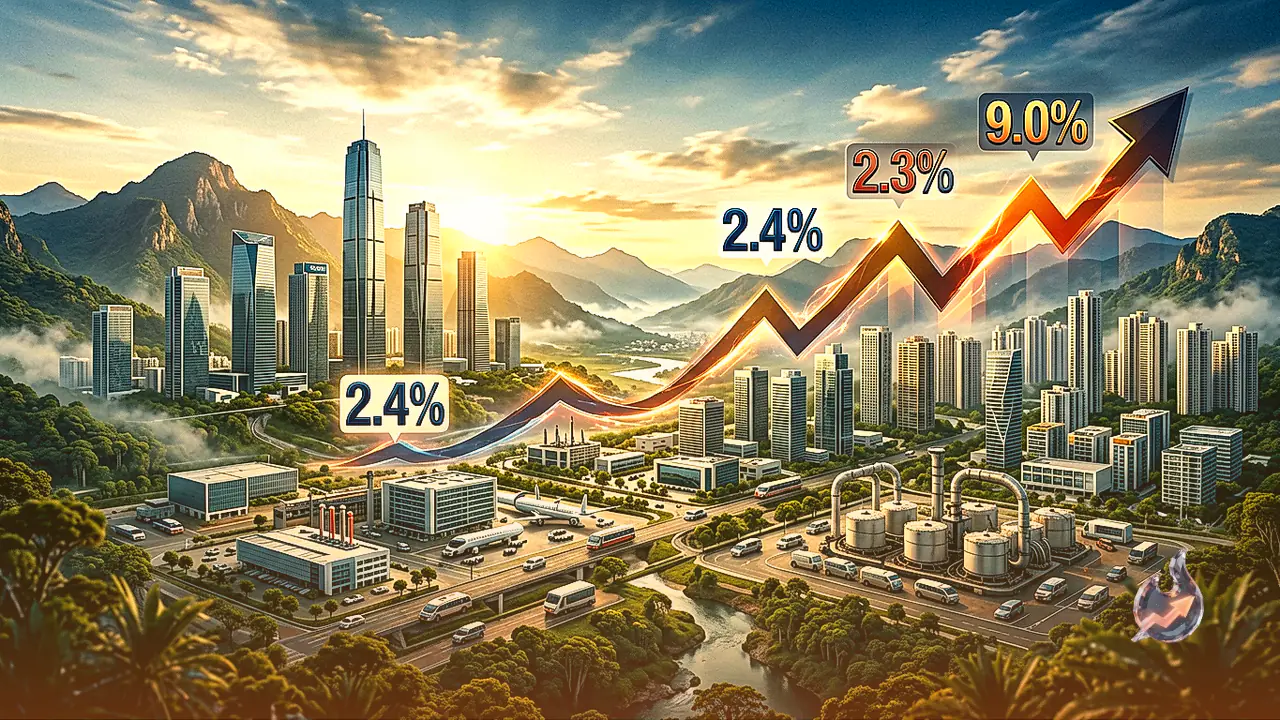

Singapore is witnessing a dual economic dynamic in July, characterized by rising consumer prices stemming from elevated energy and food costs alongside an acceleration in industrial output powered by robust global demand for artificial intelligence hardware. According to a comprehensive analysis by DBS economists Taimur Baig and Radhika Rao, Singapore's headline and core inflation measures are expected to edge upward compared to June levels, while manufacturing momentum remains solid despite supply chain frictions in key international trade routes.
Inflation Trends and Electricity Tariff Dynamics
DBS economists project Singapore's headline inflation to rise to 2.4% year-on-year in July, up from 1.9% year-on-year recorded in June. Similarly, core inflation, which excludes accommodation and private transport, is forecasted to increase to 2.3% year-on-year in July compared to 1.6% in June. The acceleration in underlying price pressures is primarily attributed to the delayed pass-through of higher global energy costs, most notably reflected in a sharp 17% increase in domestic electricity tariffs during 3Q26. Firmer food price increases have also contributed to the upward trajectory in consumer expenses.
This build-up in price pressures validated the monetary authority's decision during its July review to very slightly increase the appreciation pace of its currency policy band. By adjusting the slope of the monetary policy band, policy setters sought to dampen imported inflation and maintain medium-term price stability while supporting broader economic stability amid shifting external cost environments.
Industrial Output Driven by AI Hardware and Hormuz Disruptions
On the production front, Singapore's industrial production growth is forecasted to surge to 9.0% year-on-year in July, accelerating from 7.2% recorded in June. The manufacturing rebound has been led primarily by robust expansion within the electronics and precision engineering clusters. Both sectors continue to benefit from sustained international demand for artificial intelligence-related hardware, semiconductor components, and specialized high-tech machinery vital for global tech infrastructure expanders.
However, factory performance across the nation remains uneven. While high-tech electronics thrive, chemicals and general manufacturing clusters face headwind pressures from rising input costs and ongoing supply chain disruptions in the Strait of Hormuz. Maritime delays and elevated shipping insurance costs associated with the Strait of Hormuz have weighed on raw material flows, creating operational bottlenecks for traditional chemical refiners and general industrial manufacturers.
Foreign Exchange Market Fluctuations
In international currency markets, major pairs displayed mixed price action. GBP/USD traded slightly on the defensive toward the end of the week, pulling back into the low 1.3600s after testing tops past 1.3670 earlier in the session. The correction in Sterling followed two consecutive daily gains and unfolded amid a modest uptick in the US Dollar alongside subdued economic data releases out of the UK.
Concurrently, EUR/USD experienced modest downside, trading around 1.1670 following another unsuccessful attempt to break convincingly above the 1.1700 resistance mark. The Euro's retracement reflected marginal strength in the Greenback as currency traders continued to digest incoming US economic indicators and yield adjustments in US Treasury debt markets.
Gold Hits Multi-Month Peaks as Crypto Surges
Precious metals experienced significant buying momentum on Friday. Leaving behind Thursday's range-bound price action, spot Gold advanced sharply, briefly surpassing the $4,600 per troy ounce threshold to reach three-month highs. Gold's rally occurred despite a slight strengthening of the US Dollar and rising US Treasury yields across the curve, demonstrating resilient physical and safe-haven investment demand.
Meanwhile, sentiment across cryptocurrency markets remained firmly bullish on Friday. Bitcoin spearheaded the digital asset advance by surging above $77,000. Major altcoins tracked Bitcoin's upward trajectory, with Ethereum trading near $2,400 and Ripple hovering near $1.35 as broader market participation remained strong.
Kevin Warsh Jackson Hole Debut and Treasury Liquidity Support
In broader macroeconomic events, market focus is turning to Kevin Warsh ahead of his Jackson Hole debut amid mixed policy communications. Analysts suggest a major hawkish surprise remains unlikely following recent market interventions. Additionally, upcoming Nvidia earnings are expected to dictate sentiment across tech sectors as the broader equity market rally shows signs of cooling.
In a notable policy move, the US Treasury deviated from its scheduled announcement calendar on Wednesday at 12:32 GMT. The department announced it would double the size of its liquidity support buyback operations across the 10-year to 20-year and 20-year to 30-year sector maturities. The maximum purchase cap will increase from $2 billion per operation to at least $4 billion, effective September 9 through November 4, aimed at enhancing market liquidity in longer-dated government bonds.