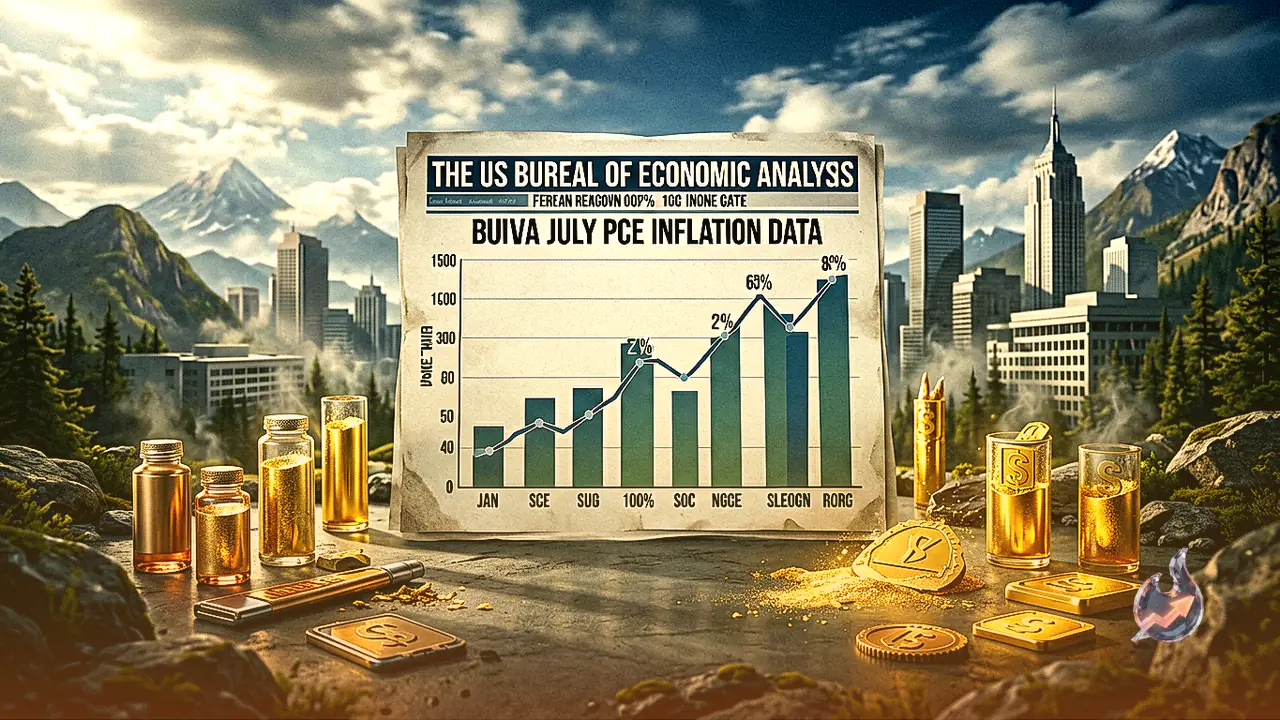

























Global financial markets are closely focusing on upcoming macroeconomic releases from the United States alongside potential policy cues from the Federal Reserve. Recent drops in energy prices have played a central role in pulling down government bond yields across both the United States and Europe. Financial analysts note that this benign macroeconomic backdrop has helped stabilize yields without triggering broader currency debasement fears or sparking unwanted volatility in the US Dollar (USD). Market participants are now positioning ahead of the US core Personal Consumption Expenditures (PCE) Price Index and key comments from Federal Reserve Chair Kevin Warsh.
Macroeconomic Backdrop, Energy Costs, and Bond Yield Dynamics
According to analysis from OCBC Bank strategists Sim Moh Siong and Christopher Wong, lower energy prices have provided significant relief to bond markets in the US and Europe. This trend has supported lower yields across the curve. The strategists highlighted that a genuinely favorable macro environment—rather than structural interventions like the US Treasury's surprise buyback announcement—is driving this yield decline. As a result, bond yields have eased without creating panic around USD debasement or driving up currency market volatility.
Focus on Core PCE Data and Chair Kevin Warsh's Jackson Hole Speech
Investor scrutiny around the Federal Reserve's reaction function has intensified in recent sessions. Growing market debate over whether the Fed will maintain its stringent focus on inflation control has put Federal Reserve Chair Kevin Warsh's upcoming appearance at the Jackson Hole Symposium into sharp focus. Markets will be listening closely on Friday for clues about monetary policy trajectory. Should Chair Kevin Warsh and fellow Fed officials push back against currency debasement concerns and firmly reiterate their commitment to bringing inflation back down to the target rate of 2%, the US Dollar could find renewed structural support.
Currency Pair Performance: GBP/USD and EUR/USD Dynamics
Major foreign exchange pairs displayed consolidation patterns during Wednesday's European trading session
- GBP/USD: The British Pound traded with a modest negative bias below 1.3650 during European hours on Wednesday, giving back a portion of the sharp gains registered on Tuesday. Despite this minor pullback, the pair remains within striking distance of the six-month high set last Friday as traders hold out for fresh catalysts from the US PCE report.
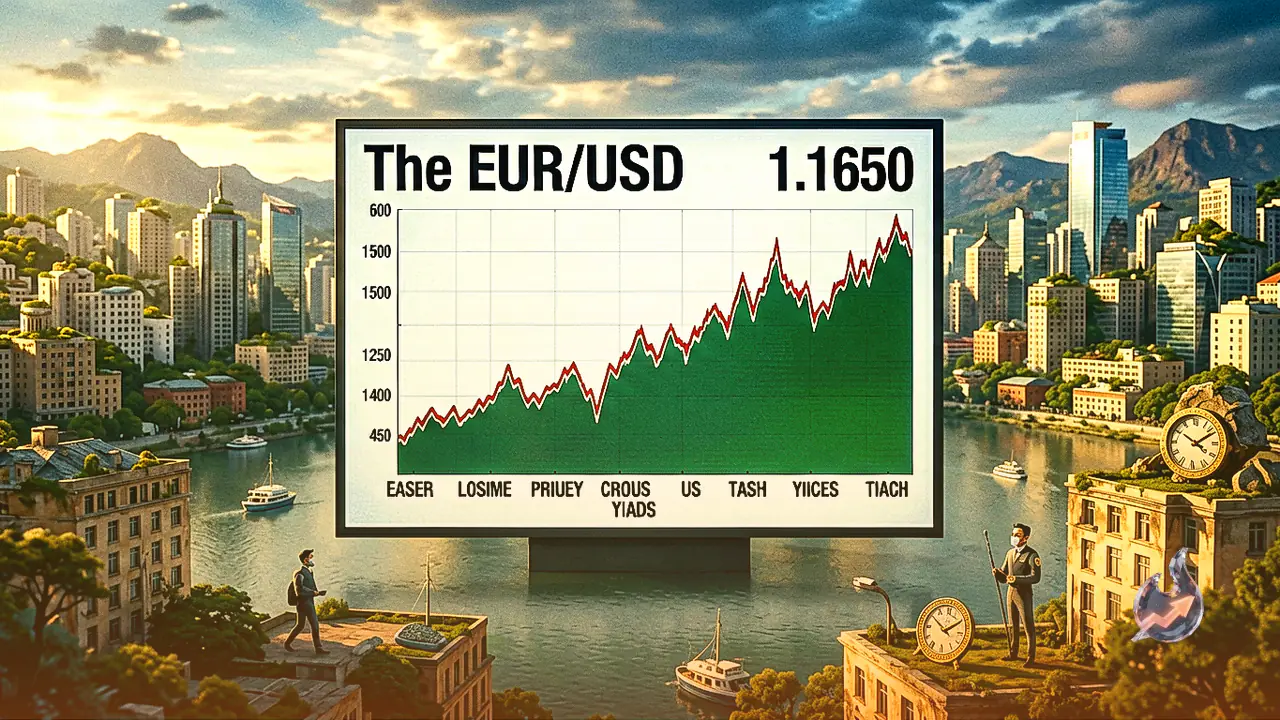
- EUR/USD: The Euro hovered near lower levels around 1.1650 on Wednesday. A slight rebound in the US Dollar, driven by profit-taking and ongoing geopolitical uncertainty in the Middle East, kept EUR/USD under mild pressure. Additional attention is centered on the revised US Q2 GDP figures alongside the PCE inflation data.
Gold Moves Sideways Ahead of Rate Cues
Gold held onto modest losses below $4,650 per ounce heading into the European session on Wednesday. However, the precious metal lacked strong bearish momentum and remained constrained within the previous day's trading range. Position adjustment in the US Dollar ahead of the core PCE release continues to weigh on commodity prices. Investors expect Federal Reserve Chair Kevin Warsh's address at Jackson Hole on Friday to clarify the future path of interest rates.
Meme Cryptocurrency Retrenchment: DOGE, SHIB, and PEPE Face Profit-Taking
In digital asset markets, leading meme tokens including Dogecoin (DOGE), Shiba Inu (SHIB), and Pepe (PEPE) have lost momentum after posting double-digit percentage gains last week. Profit-taking activity across crypto trading desks has pushed these assets into downside risk territory
- DOGE & PEPE: Both Dogecoin and Pepe face persistent downside pressure and risk further retracement if market selling continues.
- SHIB: Shiba Inu has managed to stabilize near a key support level, holding its ground despite broader meme coin weakness.