






















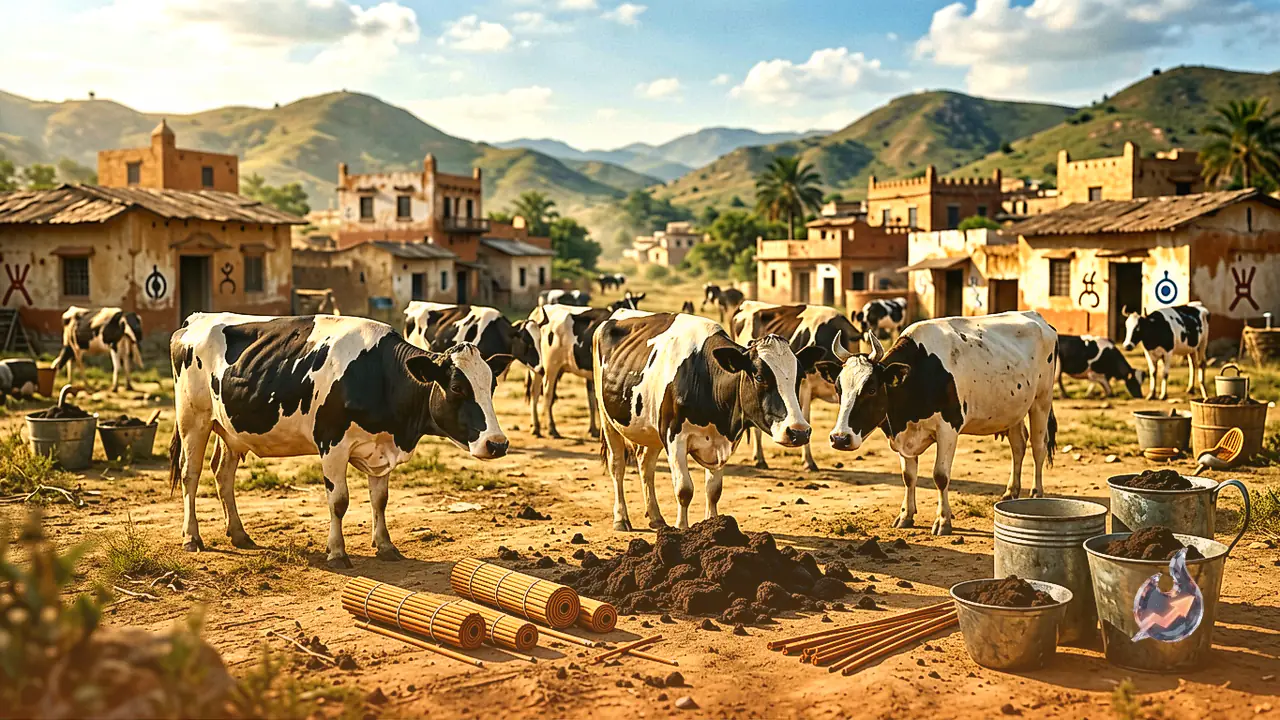

The Mewat region in the Deeg district of Rajasthan, which was earlier noted in connection with alleged cow slaughter and smuggling cases, is now witnessing a significant transformation. Cow shelters operating across the area are evolving beyond animal protection to become centers of rural economic activity and self-reliance. Alongside conserving a large number of cows, these gaushalas are utilizing cow dung, milk, and urine to manufacture a variety of practical household goods.
Value-Added Products from Cow Dung and Urine
Organic fertilizer and incense sticks are being produced using cow dung, while cow urine is being processed into phenyl and other utility items. Efforts are also underway to create various useful items using milk. Once manufactured locally, these products are distributed to multiple districts across Rajasthan, where there is a consistent demand for them.
Achieving Financial Self-Reliance for Shelters
According to shelter operators, the primary goal of manufacturing these goods is to make the gaushalas financially self-sustainable. The supplementary revenue generated from dung and urine products directly funds the procurement of fodder, medical treatments, and general care for the cows, easing the financial burden of managing large herds.
Boosting Local Employment and Rural Economy
The entire operation, spanning manufacturing, packaging, and supply chain logistics, has created fresh employment and self-employment opportunities for local residents. By engaging villagers in these processes, the initiative provides a steady boost to the regional economy. Mewat's shift toward combining animal conservation with local enterprise serves as an emerging model of community-led rural development.