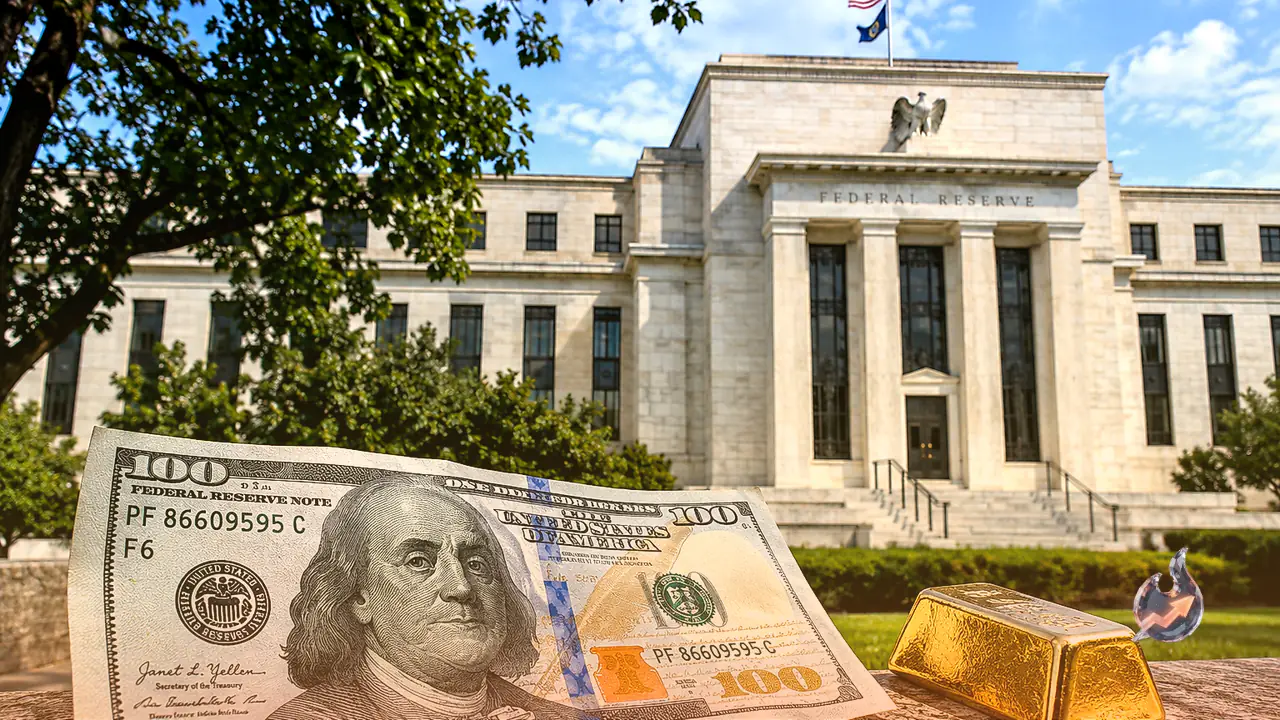

The US Dollar continues to maintain robust demand across global foreign exchange markets, backed by a persistent inflationary environment and enduring expectations of tight monetary policy from the Federal Reserve. While global equity markets showed signs of finding their footing following a steep correction, currency markets remain tethered to macroeconomic data indicating sustained price pressures. Chris Turner observed that equity markets across Asia have begun stabilizing following multiple supportive interventions from regional authorities. This stabilization was further reinforced as US equity futures traded 2% higher. Significantly, the preceding Friday session in the US avoided a total capitulation, as defensive segments like consumer staples managed to secure net gains.
Inflation Dynamics and Policy Projections into 2027
Investor focus is sharply concentrated on the upcoming release of October core Personal Consumption Expenditures (PCE) figures, which are widely expected to print hot once again. Such persistent price pressures could reinforce the Federal Reserve's tightening cycle well into 2027, substantially diminishing the probability of any near-term decline in the Greenback. Concurrently, US S&P PMI business confidence figures are anticipated to show resilience, providing a firm operational cushion for the currency. Under these parameters, the downside for the US Dollar Index (DXY) appears structurally limited, with analysts projecting little requirement for a pullback below the 103.35/50 zone. Until market trends in industrial commodities such as copper or precious metals demonstrate a clear reversal indicating that dollar accumulation has crested, demand is expected to remain durable for defensive currencies including the US Dollar, the Japanese Yen, and the Swiss Franc.
Global Currency Pairs Navigate Conflicting Drivers
In currency cross-trading, AUD/USD commenced the trading week on a firmer footing by reclaiming the 0.6650 mark, snapping a consecutive three-day slide that had driven the pair to its fresh year-to-date low on Friday. Nevertheless, prospects for sustained upward momentum appear capped. The US Dollar hovers in proximity to April 2025 highs, propelled by hardening rate-hike wagers alongside broad geopolitical uncertainty. Compounding the Aussie's vulnerabilities are downbeat flash PMI numbers domestically, combined with a dovish policy stance maintained by the Reserve Bank of Australia.
Concurrently, USD/JPY experienced renewed buying interest at the open of the week, driving the exchange rate back toward 159.00. This advance recouped a substantial portion of the previous session's drop to a low exceeding one week, as prevailing skepticism regarding the trajectory of Bank of Japan rate increases continues to undermine the Japanese Yen. Persistent friction across the Middle East combined with aggressive expectations surrounding the Federal Reserve have kept the US Dollar anchored near peak levels, bolstering the currency pair. However, market participants remain watchful of potential intervention measures by Japanese authorities, which could stall aggressive extensions higher.
Gold Holds Key Levels Amid Treasury Secretary Warnings
Across commodity desks, gold preserved its firm footing near the round $3,600 benchmark through the opening half of European trade. In spite of this stability, an absence of sustained follow-through buying suggests market participants are adopting a measured posture. Aggressive wagers on further Fed rate increases were trimmed after US Treasury Secretary Scott Bessent issued a cautionary note regarding central bank strategy. Bessent highlighted that the Federal Reserve risks placing the wider domestic economy in jeopardy by engaging in overtightening maneuvers in response to incoming inflation statistics, injecting a degree of policy caution into interest-rate expectations.
Digital Asset Trends and Pi Network Movements
Within alternative digital asset segments, Pi Network (PI) rebounded above $0.0550 on Monday, consolidating gains over three consecutive trading sessions after descending to an all-time low of $0.0473 on Friday. Despite this spot price bounce, institutional engagement remains subdued. Valour's exchange-traded product dedicated to the asset has struggled to generate meaningful traction among institutional capital allocators, weighed down by a year-to-date collapse exceeding 70%.