























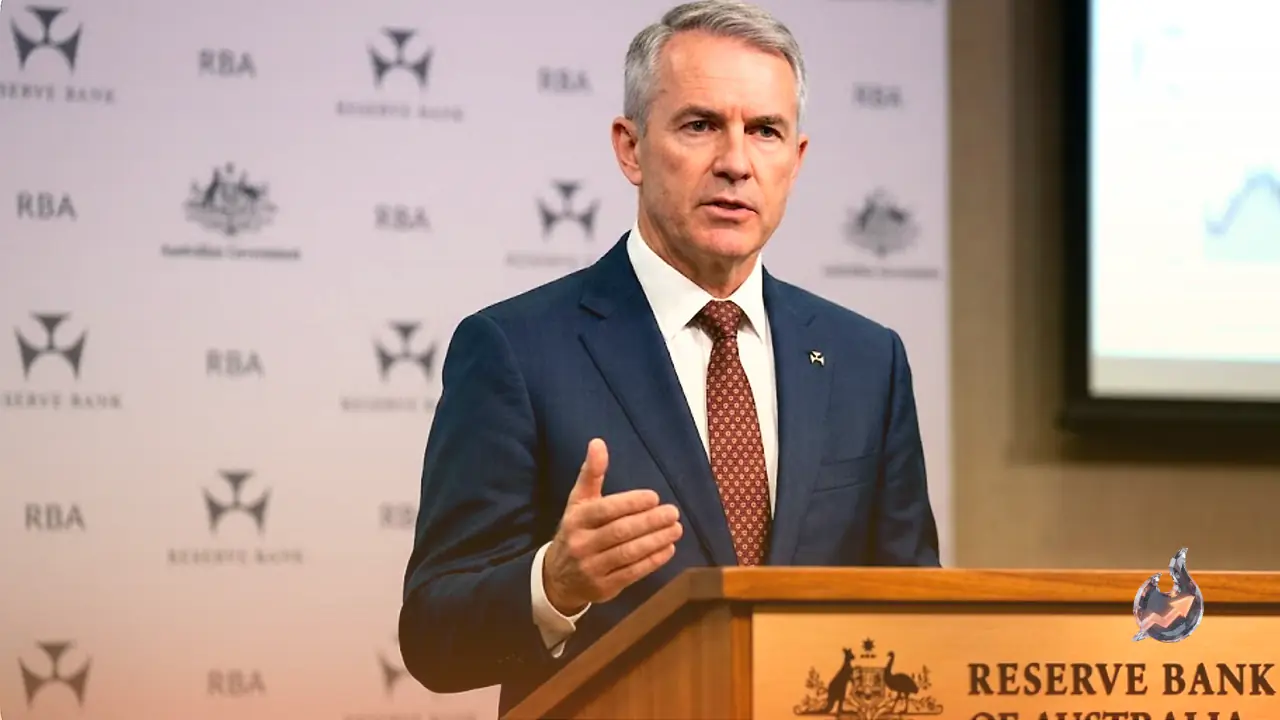

The Australian Dollar (AUD) experienced a rise during Wednesday's Asian trading session, climbing to approximately 0.6943 against the US Dollar (USD). This 0.23% increase reflects the currency outperforming most major peers, with the exception of the New Zealand Dollar. The momentum follows commentary from the Reserve Bank of Australia (RBA), signaling that the central bank remains committed to curbing inflation and is prepared to enact further monetary policy tightening if necessary to reach its target.
Understanding RBA Policy Drivers
Throughout the current year, the RBA has implemented three interest rate hikes of 25 basis points (bps) each, bringing the Official Cash Rate (OCR) to 4.35%. The central bank’s overarching mission is to keep inflation within a stable range of 2-3% by carefully managing interest rate levels. When the RBA maintains higher interest rates relative to other central banks, it generally provides support for the AUD. Furthermore, tools like quantitative tightening are utilized to influence credit conditions, which typically exert a positive influence on the valuation of the Australian currency.
The Critical Role of China and Trade
Given that China serves as Australia's largest trading partner, the health of the Chinese economy is a primary catalyst for the Australian Dollar's market performance. A robust Chinese economy leads to higher demand for Australian raw materials, goods, and services, which naturally boosts the value of the AUD. Conversely, unexpected slowdowns in Chinese growth figures often have a direct, dampening effect on the currency. Investor sentiment also plays a key role, as a preference for riskier assets typically favors the Australian Dollar, whereas periods of market uncertainty often drive investors toward safe-haven currencies.
Impact of Iron Ore and Trade Balance
Iron Ore represents Australia's most significant export, reaching values as high as $118 billion annually based on 2021 data, with China acting as the main importer. Consequently, fluctuations in the global price of Iron Ore act as a major driver for the AUD; higher prices generally lead to increased demand for the currency. Additionally, a strong trade balance—where exports significantly outweigh imports—is a foundational pillar for currency strength. A surplus demand from international buyers seeking Australian products adds a structural layer of appreciation to the AUD.
Technical Outlook and Immediate Resistance
From a technical perspective, the AUD/USD pair faces immediate resistance at the 20-period EMA, currently clustered around the 0.6967 level. Overcoming this barrier is essential for shifting the near-term bias toward a more sustained rebound. On the downside, the June 30 low of 0.6865 serves as a critical support zone. A breach below this level could expose the pair to further downward pressure toward the March 30 low of 0.6833. Market participants are now bracing for the release of China’s Consumer Price Index (CPI) data for June, which is expected on Thursday, for further directional cues.