






















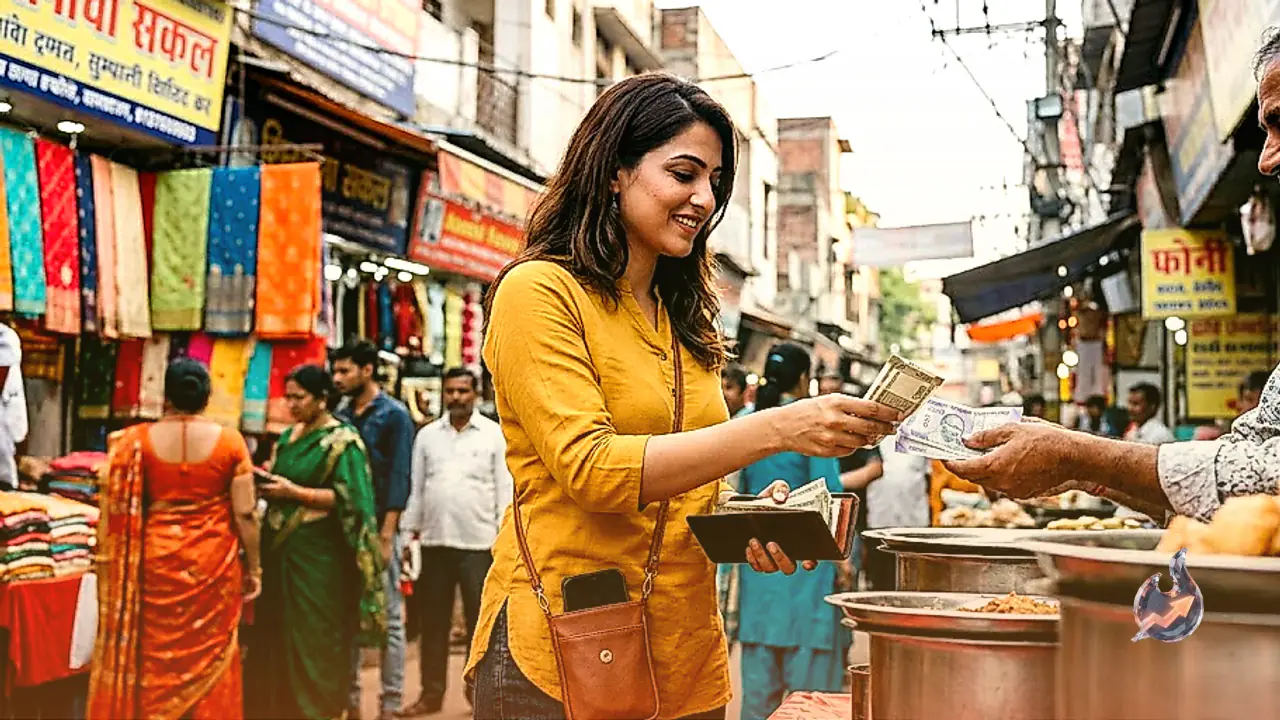

Digital payment innovations have completely restructured everyday financial transactions in India, drawing admiration from developed Western countries where such seamless instant transfer systems are still rare. However, the effortless convenience of scanning quick response codes has simultaneously altered spending behavior. Because money transfers instantly from bank balances without physical contact, consumers frequently lose track of small daily purchases. Addressing this modern spending trap, Delhi-based social media creator Sadaf recently published an Instagram video recounting her personal decision to abandon UPI for daily transactions and switch to cash payments, a lifestyle adjustment that significantly curbed her impulse spending.
The Hidden Psychology of Instant Digital Transactions
Reflecting on her two-month financial experiment, Sadaf explained that her biggest insight was gaining immediate awareness of her actual cash outflow. Under her previous reliance on UPI, minor daily transactions passed entirely unnoticed. Purchasing a morning coffee, ordering quick snacks, or tapping for small e-commerce items felt trivial at the moment of payment because transactions completed in mere seconds. Nevertheless, these seemingly minor routine payments routinely accumulated to approximately 1,000 rupees without any conscious realization.
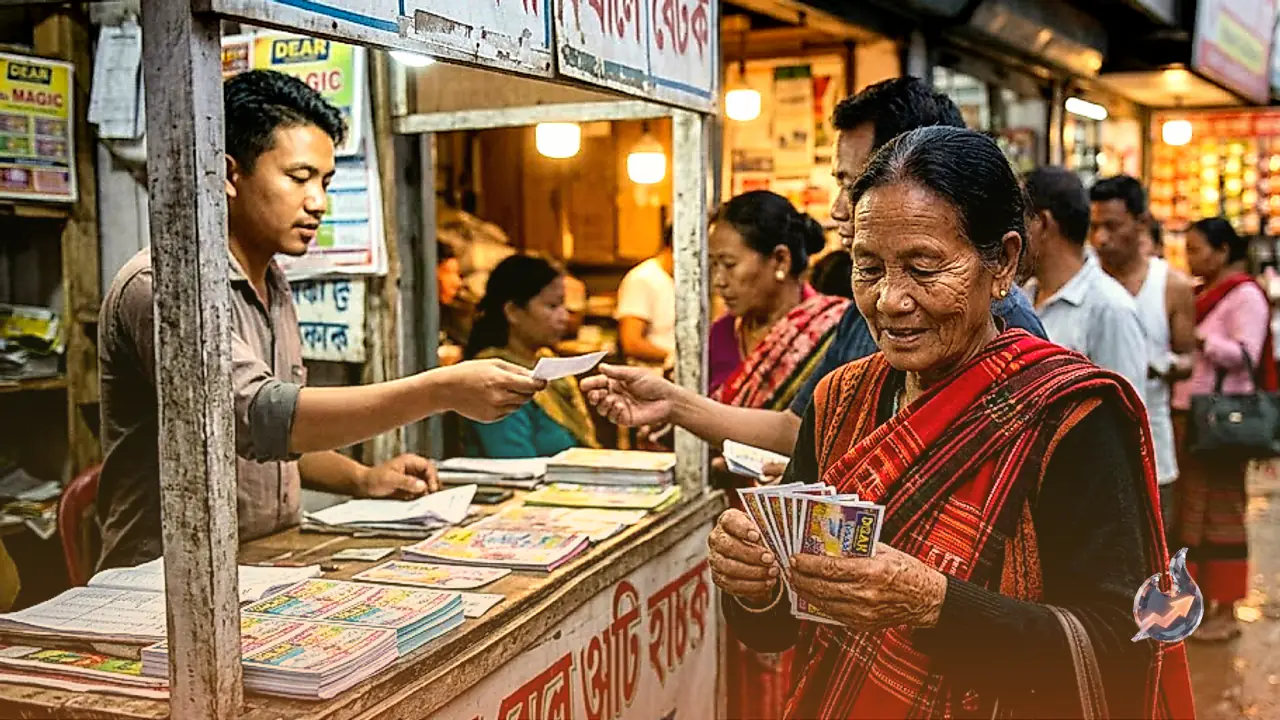
Transitioning to physical currency introduced a tangible psychological barrier to spending. Sadaf observed that handing over a physical 500 rupees note creates an immediate sense of hesitation and loss because one physically sees money leaving their wallet. Conversely, spending 1,000 rupees via UPI feels frictionless because digital debits lack tactile feedback. This physical friction proved crucial in forcing her to evaluate whether a purchase was necessary before opening her wallet.
Adopting a Practical 80-20 Spending Framework
While the experiment successfully reduced waste, Sadaf acknowledged that completely eliminating digital payments is impractical in today's urban ecosystem. Real-world transactions present logistical hurdles. For instance, if a bill amounts to 470 rupees and a buyer carries only a 500 rupees note, merchants frequently lack exact physical change to settle the balance. Facing these daily friction points, she decided against an absolute ban on digital tools.
Instead, she established a balanced financial framework. She now allocates approximately 80 percent of her routine spending budget in physical cash while keeping the remaining 20 percent inside her bank account for essential UPI payments. Despite the physical burden of carrying cash, she maintains this balanced routine because it instills continuous mindfulness regarding where her hard-earned money goes.
Internet Reaction: Cash Control versus Modern Realities
Sadaf's video ignited widespread discussion across social media, dividing viewers between those praising her discipline and others pointing out the challenges of cash in a digital-first economy. Many users agreed that handling paper currency naturally restricts unnecessary purchases. However, several commentators highlighted practical obstacles.
One commenter noted that relying on physical cash has become increasingly difficult as service providers actively discourage paper money. The user shared that delivery services like Zomato and Blinkit present challenges despite offering cash on delivery options, adding that even local post office staff explicitly requested digital payments by asking for UPI. Another individual shared a similar attempt to switch back to cash, explaining that chronic shortages of physical loose change ultimately forced them to abandon the effort and revert to digital payments. Despite these operational hurdles, the debate underscores a growing concern among urban consumers regarding digital payment fatigue and budget control.