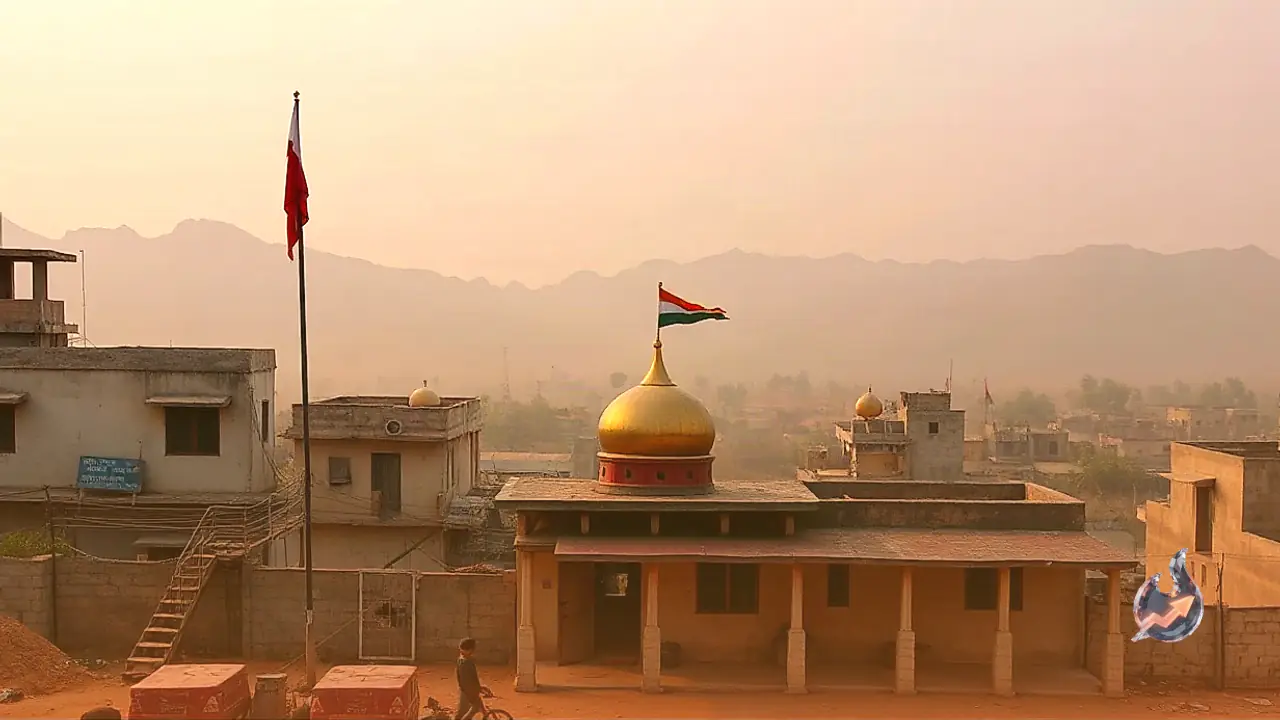




















The historic city of Ajmer is home to numerous heritage sites that preserve centuries of history, yet Soni Ji Ki Nasiyan stands out for its distinct architectural grandeur. The moment visitors arrive, the intricate craftsmanship and majestic scale immediately capture their attention. This treasured landmark boasts artistic qualities that are rarely found elsewhere in the world, making it an essential stop for anyone exploring Ajmer.
Sculptures Relocated Over A Century Ago
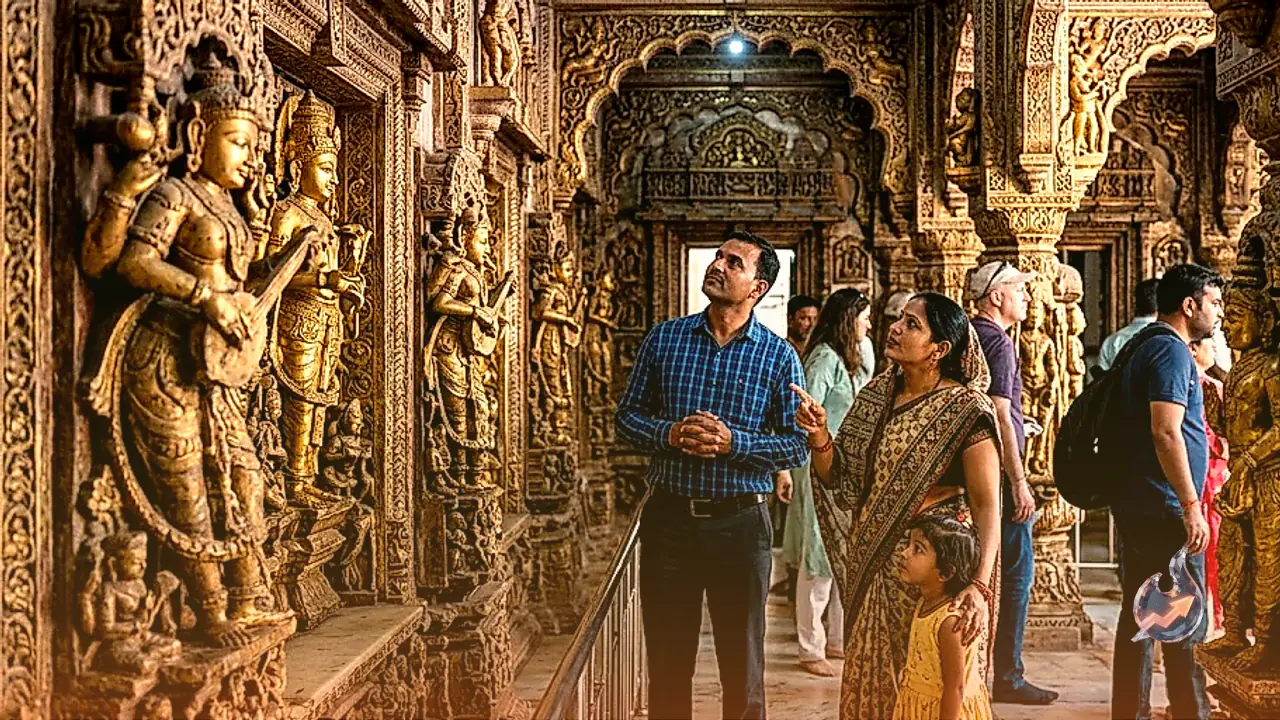
Bhupendra, associated with Soni Ji Ki Nasiyan, explained that several sculptures housed here were brought from Ajmer's Adhai Din Ka Jhonpra roughly a hundred and twenty-five years ago. During that period, an appropriate venue to securely preserve and exhibit these historical figures was unavailable. The artifacts were carefully maintained over a long duration, and about two years ago, the former servant quarters on the premises were cleared to construct a specialized hall where these ancient pieces are now systematically displayed.
Extraordinary Stone Carvings Without Modern Machinery
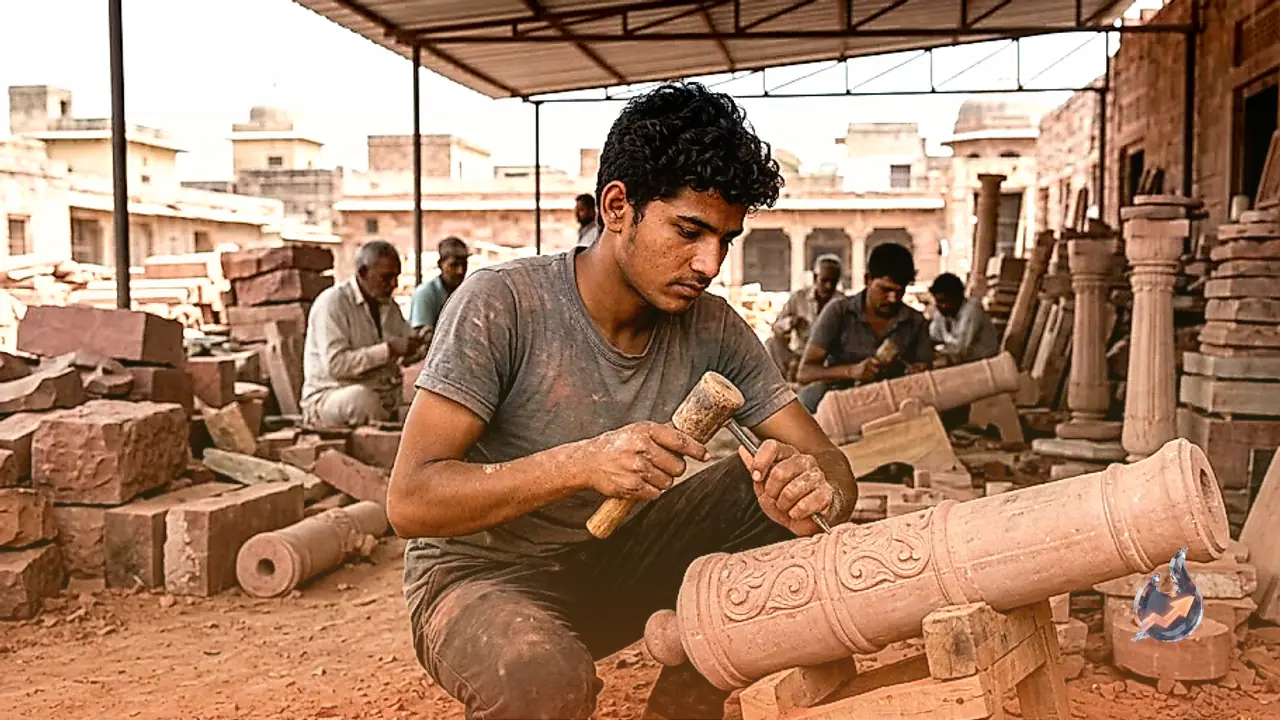
Representatives managing the site noted that the sculptures exhibited inside Soni Ji Ki Nasiyan date back between 2,000 and 3,000 years. Observing the delicate carvings and artistic precision makes it effortless to comprehend the immense skill possessed by artists of that era. Crafting such intricate designs on stone in the complete absence of contemporary machinery and advanced technology remains a remarkable feat. Consequently, travelers visiting the location gain a close appreciation of ancient artistry and sculpture work.
Spiritual Aura Endures Through Time
People connected with Soni Ji Ki Nasiyan emphasize that these statues hold profound spiritual significance alongside their historical and aesthetic value. According to accounts, proper consecration rituals were performed by saints during ancient times, which is why a distinct spiritual energy continues to be experienced in the presence of these statues. Even after conducting modern technical examinations on the figures, observers maintain that an inherent vital energy persists within them.