
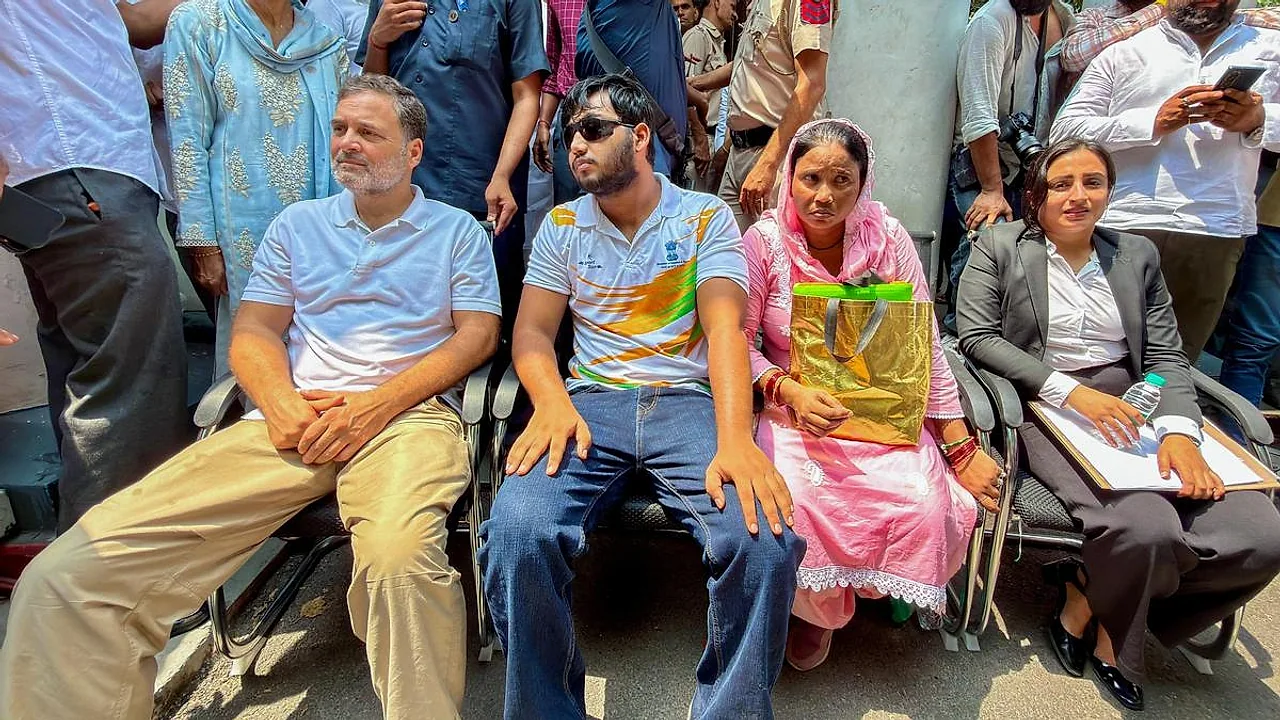























Every year, thousands of young professionals move to Noida from various parts of India in pursuit of career growth and a better quality of life. However, maintaining a baseline standard of living in the city has become an increasingly daunting task. The combined burden of residential rent, food items, daily commuting, and monetary support sent to families back home consumes a major portion of their earnings early in the month. Consequently, individuals earning modest salaries find it exceptionally hard to build any long-term savings.
Mid-Month Financial Strain and Daily Micro-Budgeting
Mayank Singh, a corporate employee in Noida originally hailing from Bihar, points out that salaried professionals earning between ₹15,000 and ₹40,000 experience a sharp drop in liquidity after the middle of the month. While the salary credited on the first date provides temporary relief for about two weeks, managing expenses from the 15th onward requires extreme frugality. Most workers are forced to stretch their remaining funds on a day-to-day installment pattern to survive until the next pay cycle.
Escalating Costs of Food Commodities and Rental Housing
Atul Yadav, a resident of Noida, emphasizes how constant price increases across basic goods rapidly deplete monthly earnings. Essential kitchen staples have seen substantial rate hikes, with sugar reaching ₹65 per kilogram, mustard oil selling at ₹200 per liter, and wheat flour priced at ₹40 per kilogram, alongside record-high rates for petrol and diesel. While lower-income groups receive government ration benefits, middle-class employees earning ₹15,000, ₹20,000, or ₹30,000 receive no subsidies. Furthermore, independent room rentals in Noida rarely start below ₹10,000 per month, absorbing a massive share of their total income.
Shift Toward Installment Consumption Amid Unaffordable Real Estate
Vikas Jha, who has lived in Noida for around 15 years, notes that price hikes on fuel, cooking gas, and groceries have proven irreversible over time. Because skyrocketing real estate costs put homeownership out of reach for middle-class workers, many turn toward short-term consumer products. It has become common for young workers to buy smartphones like iPhones or automobiles on monthly installment plans (EMIs) to gain immediate satisfaction. As a direct consequence of diminished disposable income, fewer individuals in the city are making long-term Fixed Deposits (FDs).
Five Years of Cumulative Inflation Exceeding Previous Decades
Sudhir Roy, another long-time resident from Bihar, underscores that even people earning between ₹30,000 and ₹40,000 routinely run out of money before the end of the month. The structural problem lies in the fact that price increments never roll back, whereas salary growth fails to match the rise in living expenses. He notes that the level of inflation experienced over the past 4 to 5 years has surpassed the cumulative price rise recorded over the previous 15 years, placing unprecedented financial strain on middle-class households.