
For fans curious about how the cyberpunk saga adapts to television, this Blade Runner 2099 review explores a narrative leap set 50 years after the previous film. Showrunner Silka Luisa extends the universe conceived by Philip K. Dick across eight meticulously crafted, slow-burning episodes. The classic dynamic receives a major twist: Nexus-9 androids represent the reigning class, deploying replicant Blade Runners to track down and eliminate human rebels who challenge their dominance.
Expanding Beyond the Noir of Los Angeles
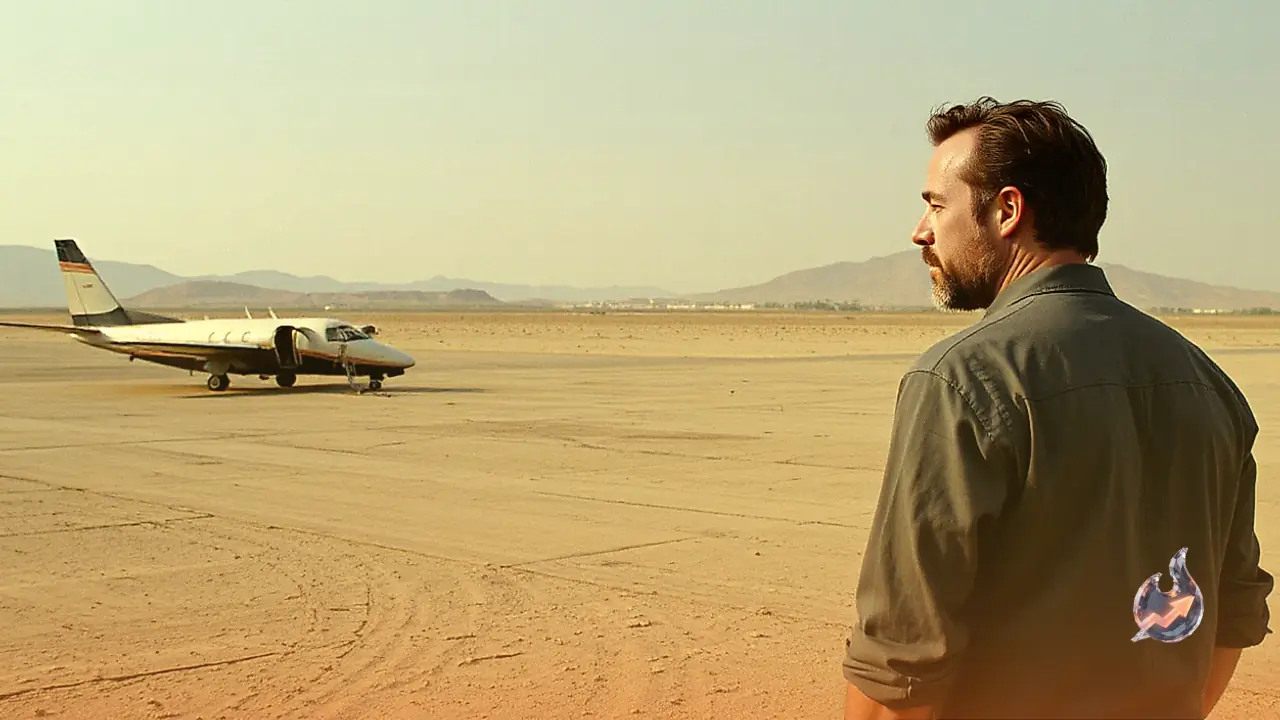
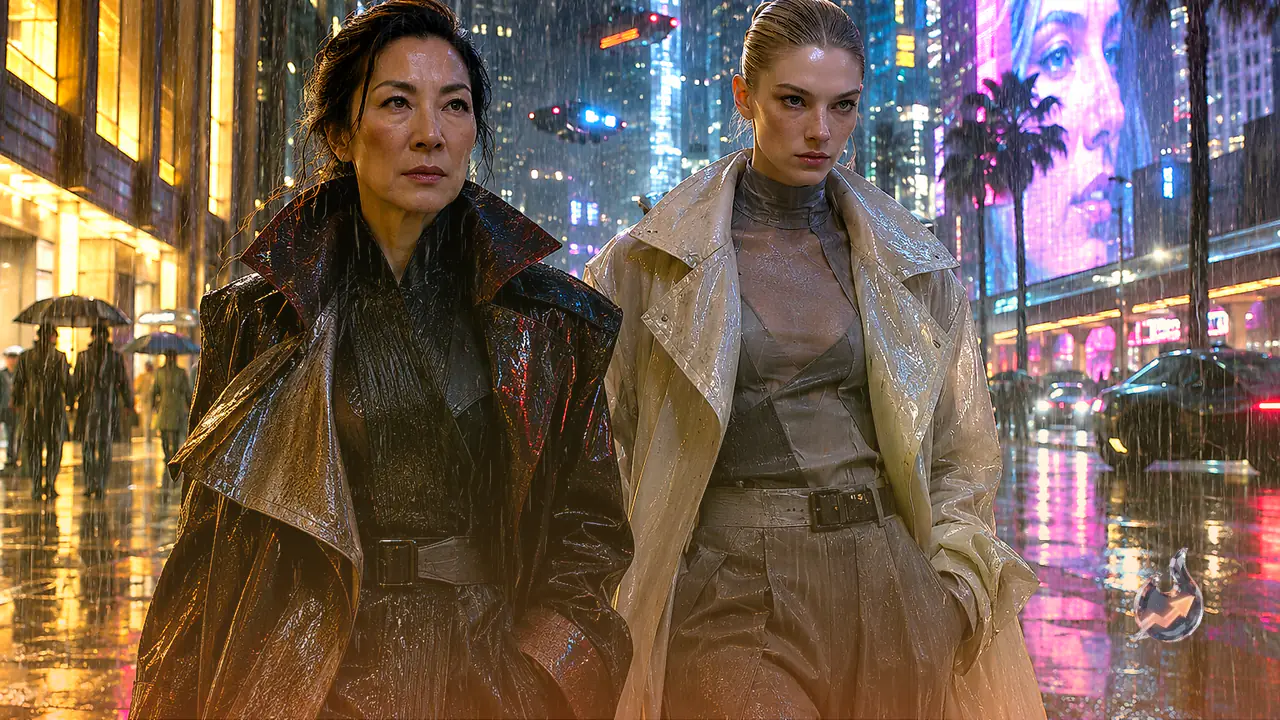
The visual language heavily draws upon the legacies left behind by Ridley Scott and Denis Villeneuve. Production designers Paul Ingliss and Chloe Arbiture blend Scott's teeming rain-slicked cityscapes, shadowy clubs, and towering pyramid architecture with the orange dust and derelict ruins seen in Villeneuve's vision. Ridley Scott also serves as an executive producer on the project. The signature franchise elements remain firmly intact, including spinners, Voight-Kampff interrogations, visceral combat, atmospheric synth scores, and origami figures. Rather than remaining confined to Los Angeles, the narrative stretches outward to encompass Alaska, Mexico, and an extraordinary Off-world setting.
The Dynamic Between Michelle Yeoh and Hunter Schafer
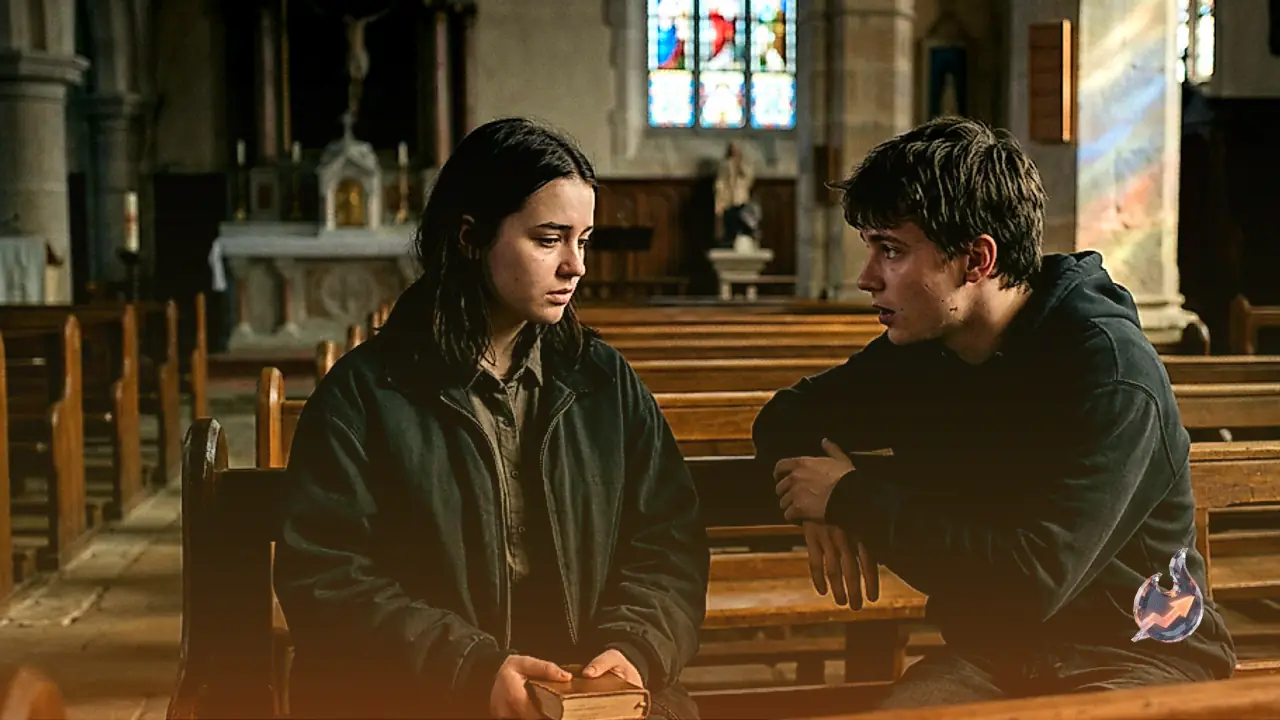
At the emotional core of the series sits the evolving partnership between Olwen and Cora. Michelle Yeoh and Hunter Schafer turn a standard dynamic of reluctant allies into a nuanced exchange, cautiously evaluating each other while guarding their inner motivations. The franchise maintains its reputation as a deeply philosophical exploration of memory, mortality, and longing. Even with such existential depth, the episodes deliver thoroughly satisfying sequences of Yeoh handling physical confrontations with sharpness and authority.
Pacing Demands and Plot Complexities
While every chapter boasts arresting moments, the deliberate pace requires considerable patience from viewers. An ongoing pursuit of a central MacGuffin feeds several sub-plots, such as an underground human resistance seeking to regain control, yet the chase rarely accelerates the dramatic momentum. Similar to Luisa's work on Shining Girls, certain narrative threads lack complete definition, notably the arc concerning a rogue Nexus-1 replicant played by Tom Burke. Nevertheless, the series stands out as an exceptionally ambitious and polished television production, concluding with a definitive ending that leaves little unresolved.