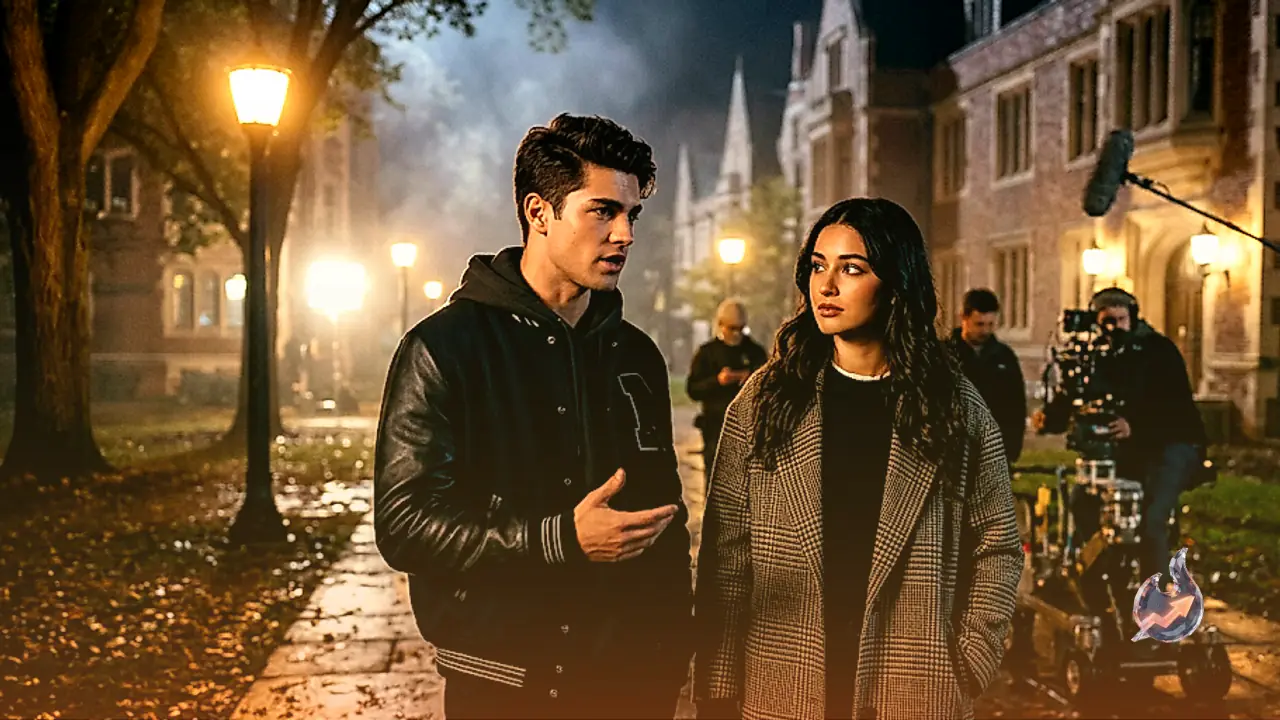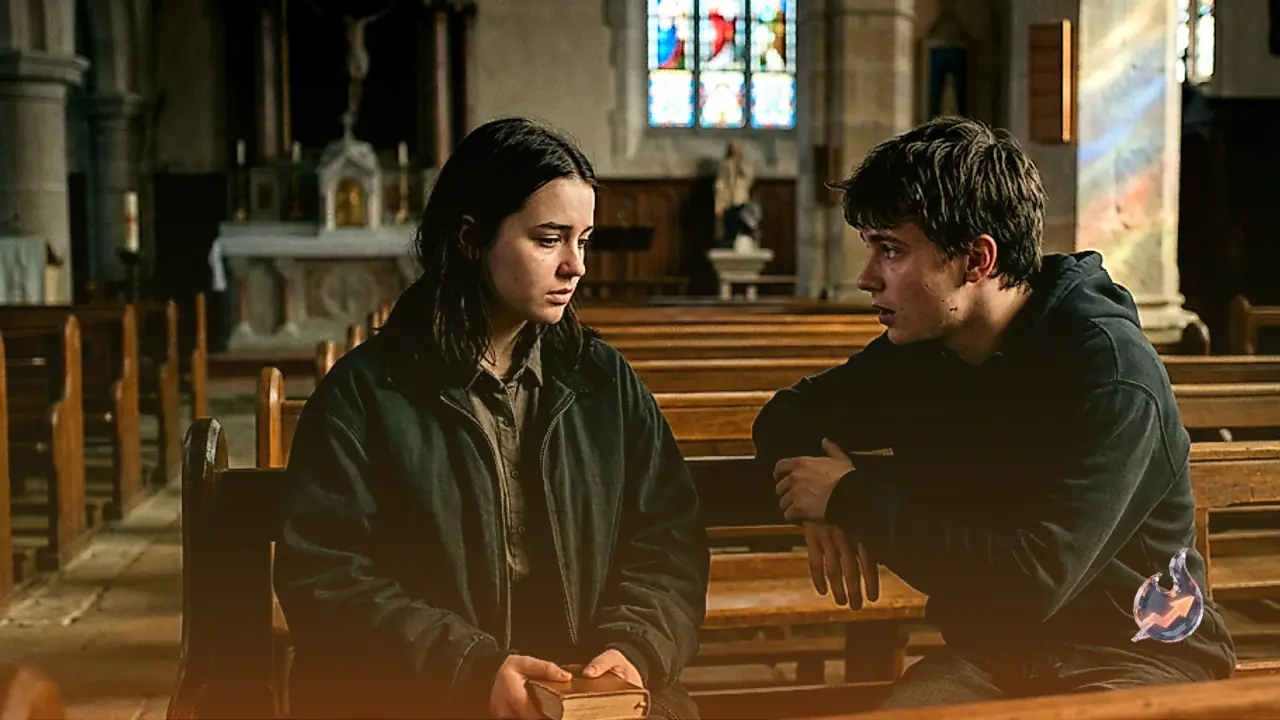

Streaming on Netflix, The Body review (2026) looks back at an era defined by Nokia mobile phones, velour tracksuits, and pop anthems alongside systemic body shaming and widespread misogyny. Teenagers often bore the brunt of this dark undercurrent, something Quinn Shephard's series recognizes through its religious subversion of classic noughties teen cinema.
A Blend of Cinematic Influences and Noughties Nostalgia
Marketed as a cross between Mean Girls, Bring It On, and The Crucible, the new series pulses with a lust and forbidden desire rarely felt in modern, more chaste teen dramas. An early sequence features a dance troupe convulsing to a choir rendition of Kylie Minogue's Confide In Me, feeling almost divine in its celebration of young womanhood. One character even dresses as Slutty God for Halloween, evoking Sarah Michelle Gellar's iconic schoolgirl persona from Cruel Intentions. That sapphic influence runs even deeper here, portraying the painful realities of suppressed queer feelings in high schools around 2004.
Kristina Bogic and Sara Boustany handle the delicate tightrope act of connection and deception wonderfully as popular girls Anya and Elise. However, it is Geena Meszaros as the aforementioned Slutty God who steals the spotlight with a near-predatory intensity, recalling Morfydd Clark's terrifying work in Saint Maud channeled through Regina George in Catholic attire.
Themes, Pacing, and Final Verdict
These standout performances elevate several characters who might otherwise feel paper-thin. A similar observation applies to the overarching themes connecting religion, queerness, and adolescence, though the narrative stops short of truly interrogating them further. Combined with a somewhat sluggish narrative pace that struggles to match the frenetic energy of its central characters, The Body occasionally stumbles from surpassing the sum of its parts, yet it remains devilishly fun throughout.