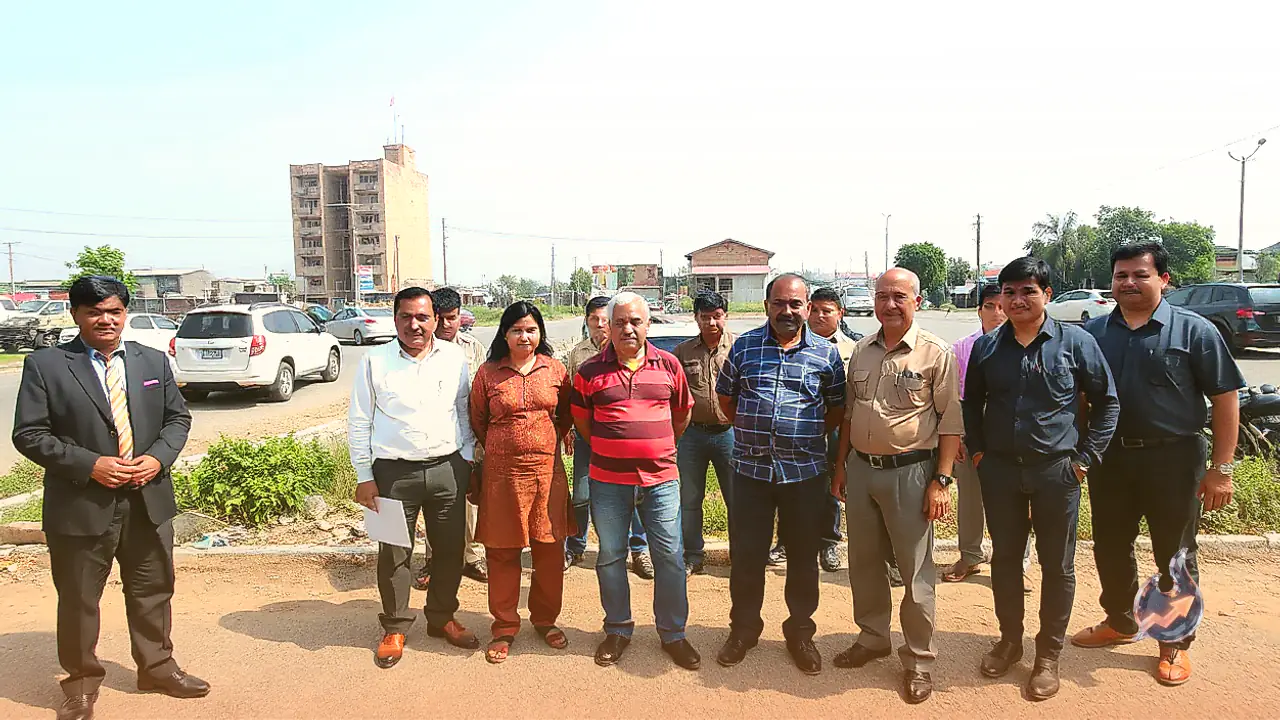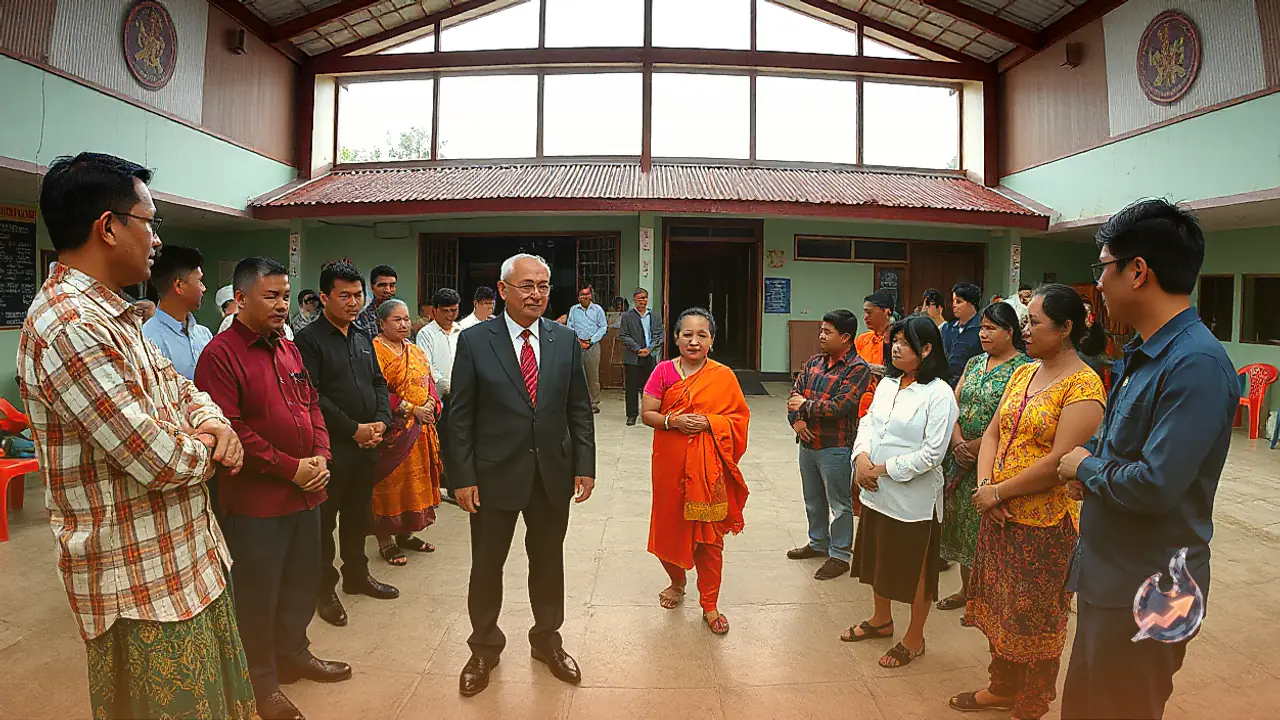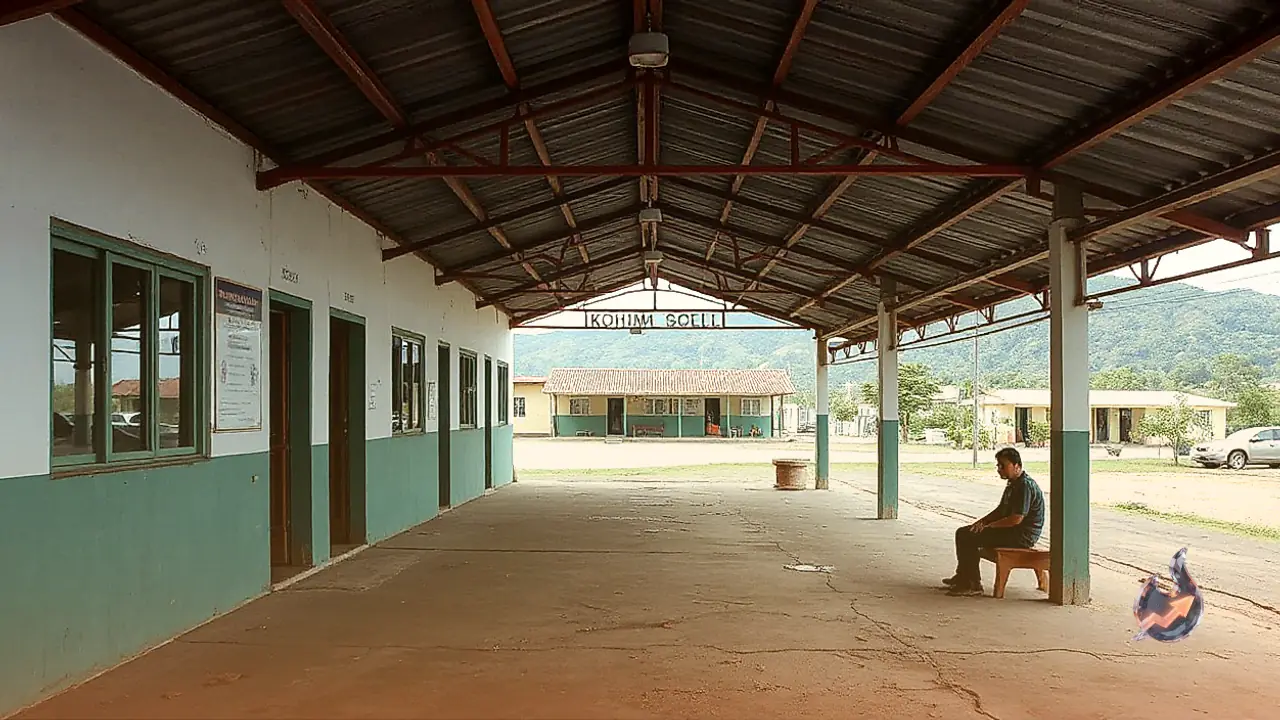

Authorities in Nagaland have officially recognized eight educational institutions across the Kohima district as tobacco-free schools as part of ongoing initiatives to limit tobacco consumption and strictly enforce regulatory measures. This significant declaration was finalized during the third quarterly gathering of the Kohima District Level Coordination Committee (DLCC) on Tobacco Control, which took place at the Kohima Deputy Commissioner office.
Recognized Institutions and Vendor Licensing
The newly designated institutions comprise Government Middle School at CWSN in Lerie, Government High School in Rusoma, Living Tree Pre-School in Kohima, Living Tree School in Kohima, Government Middle School in Tsiesema, Government Middle School in Nerhema, Government High School at Nerhema Model, and Christian Welfare School in Khonoma. Presiding over the session, Kohima Deputy Commissioner B Henok Buchem stressed that authorities must consider the proximity of educational establishments when evaluating and granting licenses to local tobacco vendors.
To streamline regulatory oversight, the Deputy Commissioner proposed the formation of a specialized sub-committee. This panel will include representatives from the Kohima Municipal Council, the Kohima Chamber of Commerce and Industry, the Food Safety Department, and the Health and Family Welfare Department to draft comprehensive guidelines for vendor permits. Additionally, several committee members advocated for incorporating tobacco distributors directly into the licensing framework to tighten overall supervision.
Monitoring and Compliance in Schools
Kohima District Education Officer Emilo Patton updated the committee by confirming that all schools throughout the district have received formal instructions to appoint internal enforcement officers. These designated officials are required to submit monthly compliance reports directly to the district nodal officer of the District Tobacco Control Cell (DTCC).
During the discussions, participants voiced serious concern regarding the high prevalence of tobacco consumption across the state, highlighting that 43.3 per cent of adults in Nagaland use tobacco. Furthermore, teenage tobacco use in the region remains among the highest nationwide, while healthcare professionals noted an alarming rise in patients presenting with suspected cancers linked to smokeless tobacco items.
Socio-Economic Impact and Legal Review
Committee members also pointed to the widespread social acceptance of tobacco use in Nagaland as a major impediment to consumption-reduction campaigns. Estimates indicate that nearly five lakh tobacco users across the state collectively spend crores of rupees on these products, alongside incurring substantial financial burdens for treating related illnesses.
In response to these challenges, the DLCC decided to consult legal experts regarding penalty provisions under the Cigarettes and Other Tobacco Products Act (COTPA) to explore potential flexibility in enforcement.