




















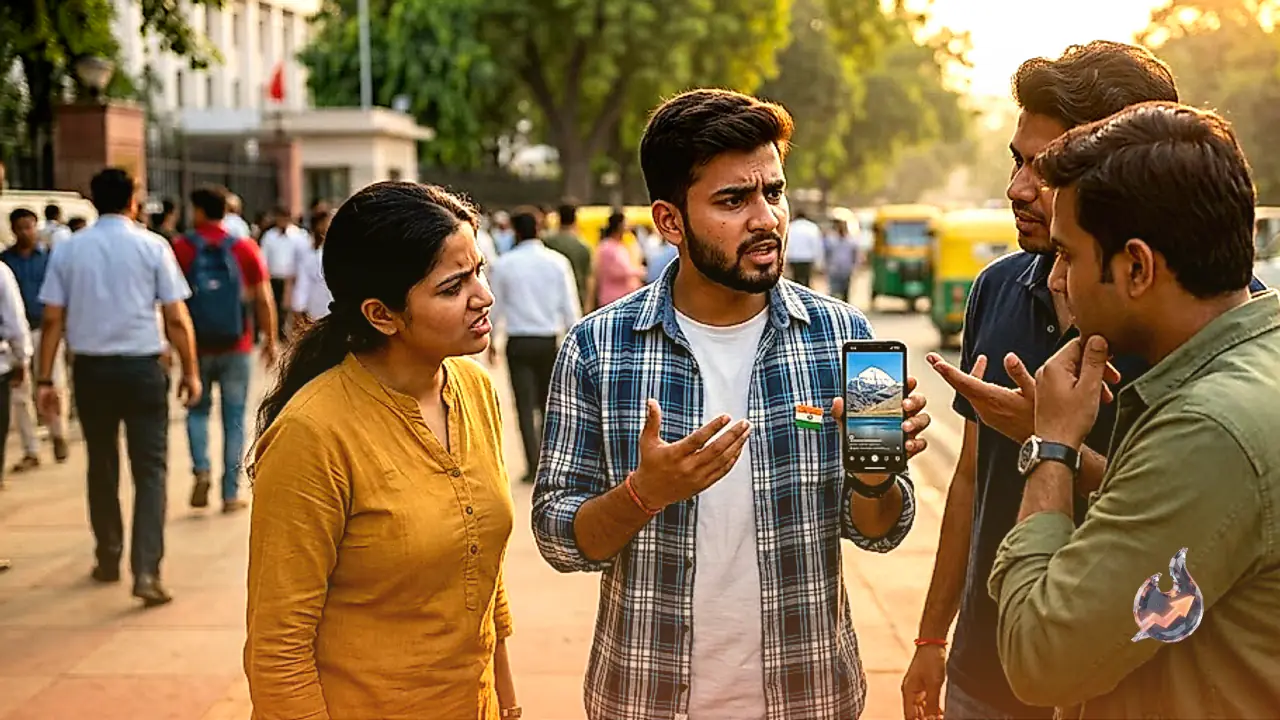

The Kailash Mansarovar Yatra has been at the heart of Indian faith for centuries, but this time the pilgrimage has turned into a talking point for geopolitics and digital diplomacy. Yu Jing, spokesperson for the Chinese Embassy in India, shared a video about the Yatra on the social media platform X, writing alongside it that she hoped the Yatra would bring hearts closer. The post came from her handle ChinaSpox India on July 12, 2026, and almost instantly triggered a fresh debate among Indian social media users. What looked like a carefully measured diplomatic line ended up reopening old and complicated layers of the India China relationship.
Some Users Backed Cooperation
Among the reactions to the post, one section of users openly pushed for closeness and cooperation between India and China. A user named Piyush Kumar Yadav wrote that India and China should certainly work closely together. He argued that the two countries could jointly lead the Global South and build what he called a New World Order, one that gives greater weight to the voice of developing nations.
Another user, Abhinav Alok, approached the issue from a historical and cultural angle. His argument was that India and China should not fall into the trap of Western thinking known as the Thucydides Trap, a situation where conflict between a rising power and an established superpower is treated as almost inevitable. According to him, the thinking of India, China and the wider East, that is Asian civilisation, is fundamentally different from Western thinking, so the two countries can move forward together without being forced into confrontation by an old Western theory.
Sharp Pushback Over Tibet
On the other side, a large number of users flatly rejected China's soft diplomacy and brought up sensitive, real world issues like Tibet and the border dispute. Dr Rahul Tiwari gave the most aggressive response in the entire debate. He wrote plainly that Tibet and the Tibetan people are already very close to India, in fact they are living in India itself, while China may have occupied Tibet but remains far removed from its true spirit and its people. To sharpen his point further, he used hashtags like FreeTibet, which directly touched on one of China's most sensitive and uncomfortable subjects.
What The Debate Really Shows
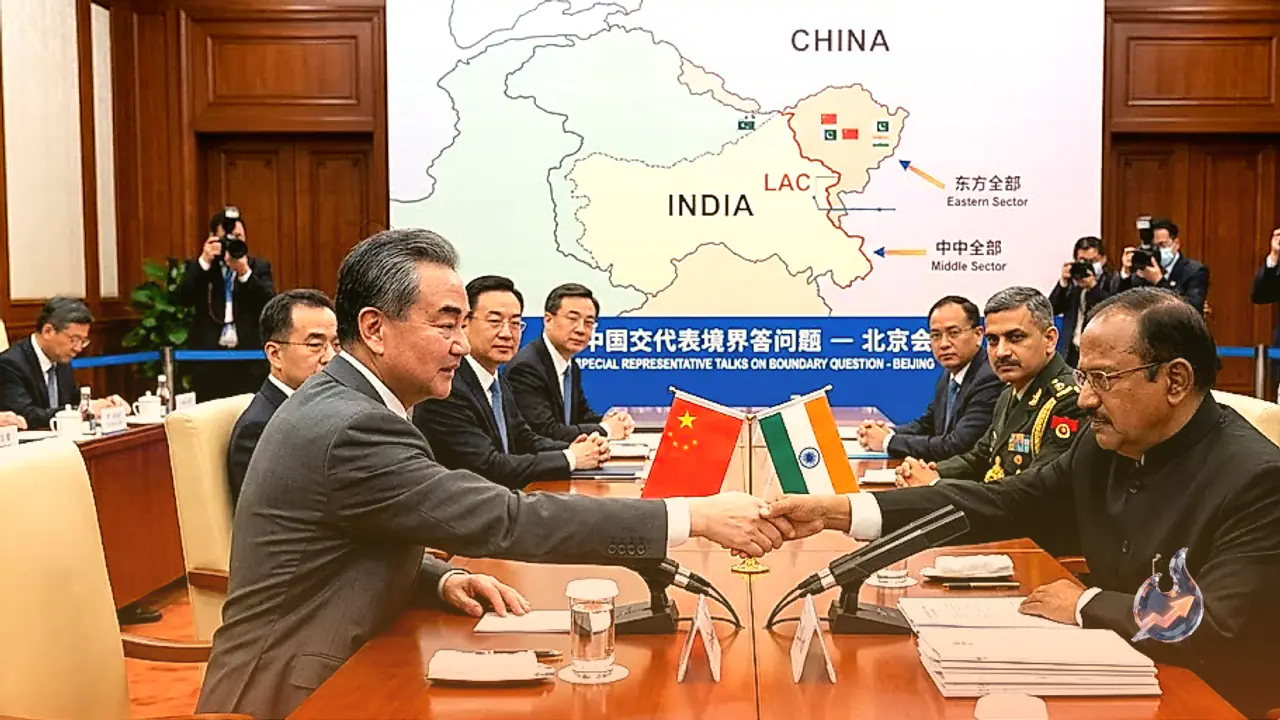
This entire social media reaction makes one thing absolutely clear, the Indian public is no longer swayed by sweet sounding diplomatic statements alone. One section of users sees and welcomes the possibilities of economic cooperation and partnership on global platforms, while another, larger section remains deeply wary and angry over the loss of Tibetan autonomy and China's continued aggressive posture along the Line of Actual Control, or LAC. That is why a seemingly ordinary post from Yu Jing turned into a much bigger debate, with users bringing in everything from history to the ongoing border dispute.
The bigger question now is whether the Kailash Mansarovar Yatra can genuinely bring the two countries closer. The answer largely depends on how much Beijing actually changes its expansionist policies on the ground. Until concrete and trustworthy steps are visible on the border and on the Tibet question, sharp and wary reactions to every such diplomatic post are likely to keep surfacing on Indian social media.