























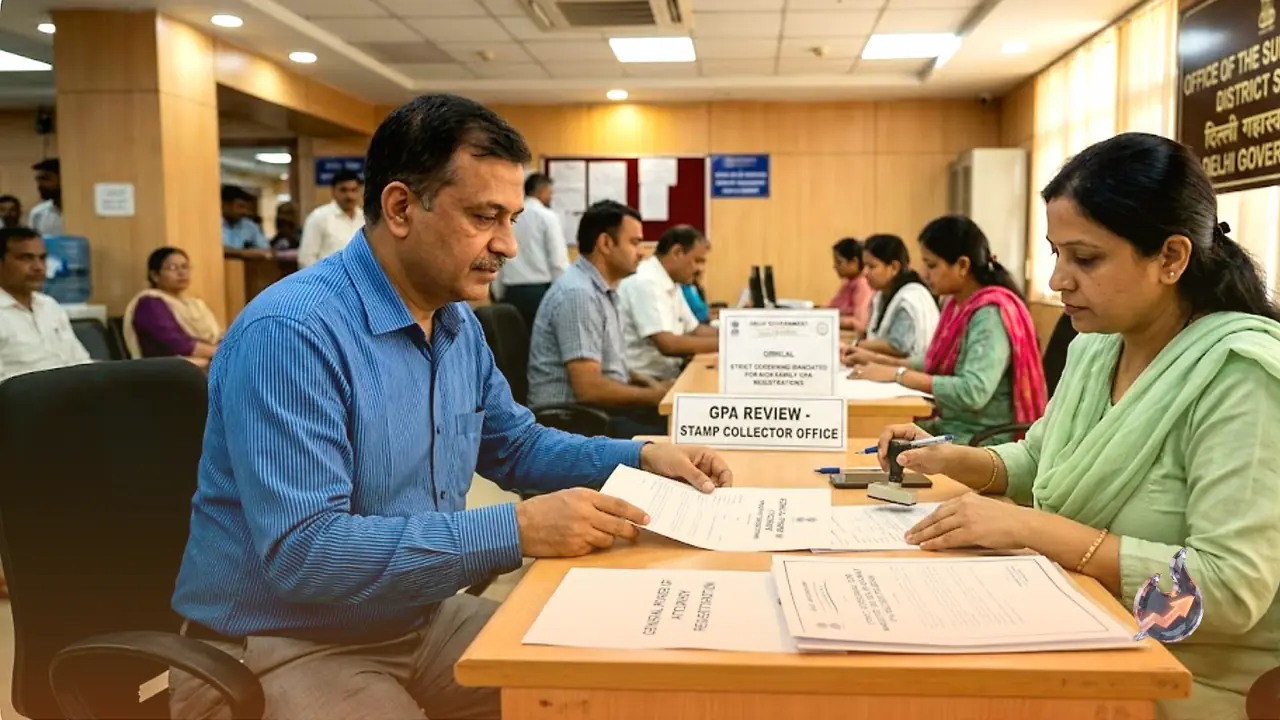

The property market in Delhi is on the verge of a significant regulatory transformation as the state administration rolls out an aggressive plan to curb tax evasion and fraudulent land dealings. Under the leadership of Chief Minister Rekha Gupta, the government has introduced a stringent policy designed to crack down on the misuse of General Power of Attorney (GPA) for property transfers. Historically, GPA has been utilized by various syndicates, land mafias, and tax evaders to execute transactions without paying the required stamp duty, thereby causing massive revenue losses to the government and leaving innocent buyers vulnerable to legal disputes. The new mandate aims to dismantle these unauthorized practices by establishing a rigorous vetting process, ensuring that only transfers within immediate blood relations can bypass the intensive screening mechanism.
Restricting GPA Registrations to Blood Relations
Under the newly implemented guidelines, the government has drawn a clear line between transactions involving immediate family members and those involving third parties. Standard, hassle-free registration of GPA documents will now be reserved exclusively for blood relations. This category strictly includes parents, spouse, son, daughter, biological brother, and biological sister. If a GPA is drafted in the name of any of these close family members, it will not be subjected to the newly introduced secondary screening process. The government recognizes that genuine family-based property management often requires granting power of attorney to close relatives, and therefore, these relations have been exempted from the additional administrative layers. However, any transaction extending beyond this defined circle of blood relations will automatically trigger a mandatory investigation.
The Sub-Registrar's Mandatory Checklist
To enforce this policy effectively, sub-registrars across all districts in Delhi have been provided with explicit directives to conduct microscopic examinations of every GPA document presented for registration. The officials must carefully analyze the text of the document to identify specific clauses that indicate a disguised sale. The sub-registrars are required to look for three critical red flags. First, they must check whether there is any mention of a financial transaction or exchange of money within the document. Second, they must verify if the physical possession of the property is being handed over to the attorney holder. Third, they must investigate whether the document grants permanent, irrevocable rights to sell, gift, transfer, or mortgage the asset. If any of these conditions are met, the document can no longer be treated as a standard power of attorney.
Escalation to the Collector of Stamps and Strict Timelines
When a GPA involves an individual outside the recognized blood relations, sub-registrars are prohibited from registering the document directly. Instead, they must immediately refer the case to the Collector of Stamps. The Collector is tasked with determining the true nature of the transaction. If the investigation reveals that the GPA is being used to transfer ownership or facilitate a financial deal, the Collector will classify the document as a 'Sale Deed' rather than a standard GPA. Consequently, the parties involved will be required to pay the full stamp duty applicable to property sales before registration can proceed. The government has established a tight timeline for this process, mandating that the Collector of Stamps must issue a written order within 30 days of receiving the referral. In complex or exceptional circumstances, this period may be extended to a maximum of three months, but no registration can take place until a final decision is made and the appropriate taxes are cleared.
Administrative Accountability and Digital Tracking
To ensure flawless execution of these measures, Chief Minister Rekha Gupta has warned of severe disciplinary action against any sub-registrar who fails to comply with the new guidelines or registers non-blood relation GPAs without the required referral. Sub-registrar offices are now required to maintain separate, dedicated records of all such referred cases and submit comprehensive monthly reports to the higher authorities. Furthermore, the administration has announced the development of an online tracking system, which is scheduled to be functional within a month. This digital platform will allow senior officials to monitor the status of referred GPA cases in real-time, preventing administrative delays and ensuring that no unauthorized files slip through the cracks.
Protecting Buyers and Stabilizing the Market
According to Chief Minister Rekha Gupta, this regulatory overhaul serves multiple purposes. It is not only aimed at safeguarding the state's tax revenues but is also a crucial step toward protecting ordinary citizens from falling victim to property fraud. Many buyers in Delhi have historically been misled into purchasing properties through GPAs, only to find out later that they do not possess valid legal ownership of the property. By enforcing these strict rules, the government hopes to clean up the real estate sector, bring transparency to property transactions, and ensure that every buyer obtains a clear, legally binding title through proper Sale Deeds.