





















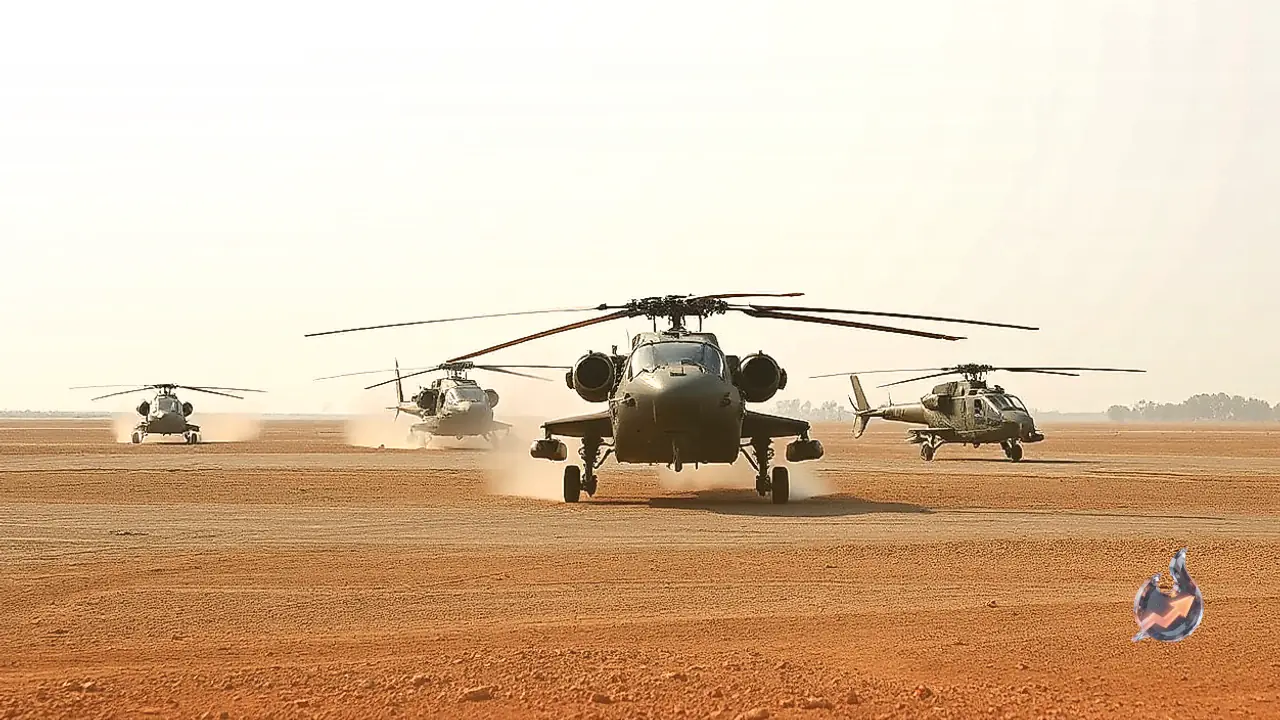

In a significant boost to the operational safety of the Indian Army's Advanced Light Helicopter Dhruv, the Defence Research and Development Organisation has engineered an advanced ceramic-faced composite armor. This lightweight and high-capacity protective shield is designed to safeguard the aircraft against intense ground fire during tactical missions. The standout capability of this armor is its proven ability to block 12.7 mm armor-piercing incendiary bullets fired from a distance of just 300 meters. India continues to systematically modernize its aerial combat capabilities through various fighter acquisitions and systematic upgrades.
Comprehensive Protection for Crew and Systems
This innovative technology provides vital physical defense to pilots, crew members, and critical internal flight systems against hostile firing in conflict zones. It proves exceptionally valuable during operations where helicopters must fly at low altitudes, exposing them to the constant threat of heavy anti-aircraft machine guns. Such caliber rounds present severe dangers to low-flying rotary-wing aircraft, making this specialized defense mechanism crucial for mission success. Furthermore, the newly designed composite panels have demonstrated the capacity to deflect and stop incoming projectiles effectively across various impact angles, including rigorous testing at 84 and 60 degrees.
Balancing Weight and Structural Integrity
A primary engineering challenge during the development of this protective system was enhancing safety without significantly increasing the overall weight of the aircraft. Adding extra heavy layers to military helicopters typically compromises flight ceiling, maximum speed, fuel range, and overall operational agility. To address this hurdle, researchers successfully engineered remarkably thin and lightweight ceramic-faced composite panels. Reports indicate that the thickness of this shielding is merely 22.5 millimeters, while its areal density stands at 55 kilograms per square meter. For a multi-role 5.5-ton class utility helicopter, maintaining this low weight profile is essential to preserve high-altitude performance and dynamic maneuverability.
Securing the Cockpit and Engine Components
Beyond protecting the pilot compartment, this armor is strategically configured to shield the core engine and internal machinery from direct combat damage. This integration minimizes the risk of catastrophic system failure during hostile engagements, thereby improving overall mission survivability. Armed forces personnel can execute operational flights in contested areas with greater peace of mind knowing that their aircraft possesses enhanced ballistic protection.
Airworthiness Certification and Indigenous Progress
The Centre for Military Airworthiness and Certification, the premier agency responsible for validating military aircraft and equipment, has granted official airworthiness clearance to this indigenous defense shield. This crucial approval confirms that the composite armor meets all necessary safety benchmarks required for active deployment on the army's fleet. Dhruv helicopters perform diverse critical tasks including troop transport, logistical supply runs, reconnaissance, and battlefield support. This technological milestone underscores India's growing self-reliance in aerospace engineering and advanced material sciences, aligning with global industry trends favoring lightweight ballistic solutions.