























Efforts by adversaries to compromise military personnel and extract sensitive information through honey traps are no longer restricted to casual social media friendships or romantic entanglements. Foreign intelligence networks and hostile entities are increasingly deploying alternative methods to infiltrate defence establishments, ranging from fabricated female personas on digital platforms to financial inducements targeting vulnerable individuals. Financial distress, mounting debts, and multi-level marketing schemes have equally transformed into viable vectors for espionage. These evolving tactics raise critical questions regarding why defence personnel and individuals associated with the security sector fall victim to such operations. Chief of the Air Staff, Air Chief Marshal Ashutosh Dixit, addressed these pressing concerns directly, shedding light on the comprehensive strategies the armed forces are employing to combat espionage.
Speaking at the ANI National Security Summit 3.0 held in Delhi, Air Chief Marshal Dixit emphasized that this threat must not be viewed solely through the narrow lens of honey traps. Instead, it represents a profound challenge involving cyber espionage and the exploitation of insiders to extract classified data. He noted that the military closely monitors these malicious activities and maintains systematic efforts to neutralize them. To shield critical military networks from external cyber assaults, the armed forces utilize air-gapped systems. However, this architectural isolation does not entirely eliminate insider threats, prompting a renewed focus on personal vigilance and robust institutional oversight alongside technical safeguards.
Addressing whether the broader Indian defence industry remains vulnerable to similar tactics and how authorities manage these challenges, the Air Chief clarified that the issue transcends conventional honey traps. Modern espionage predominantly operates through digital channels, cyber mechanisms, and targeted enticements, with honey traps forming merely a single component of a much wider landscape. Additional vectors include multi-level marketing operations and predatory loan sharks actively operating within the ecosystem. The military leadership remains fully cognizant of these dynamics, maintaining vigilant oversight and executing systematic countermeasures to curb such activities.
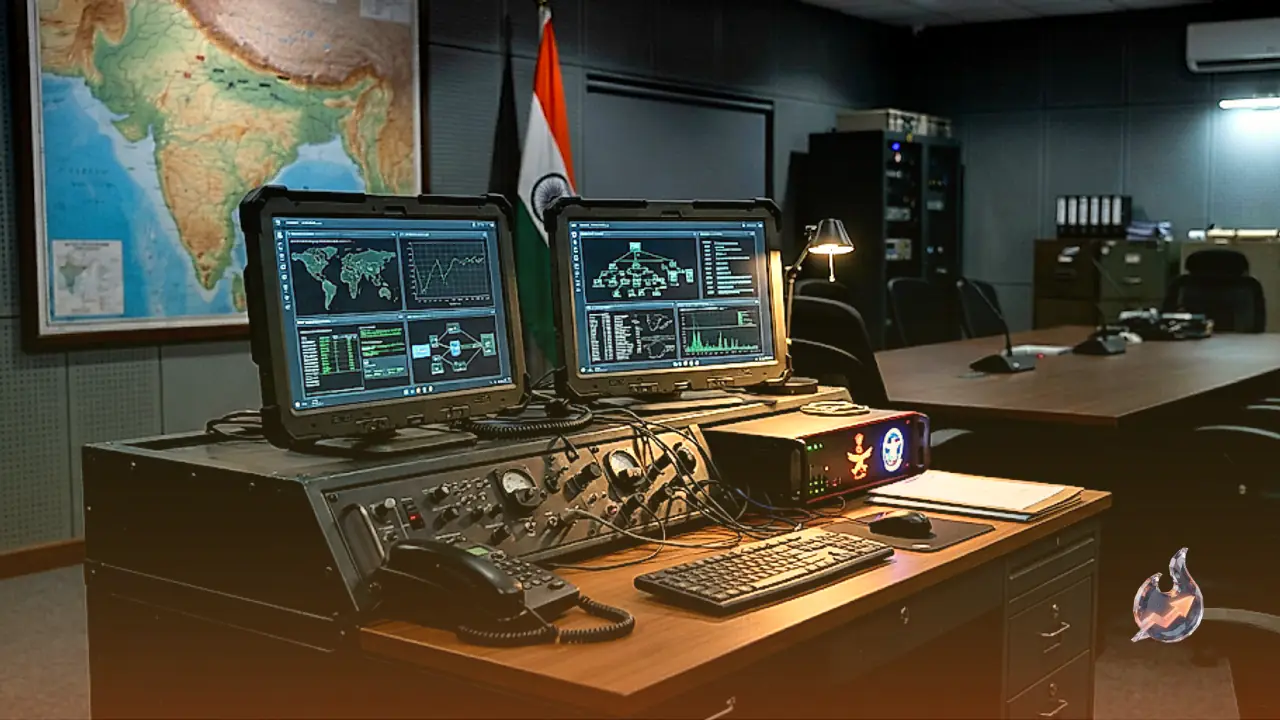
Elaborating on network architecture, the Air Chief explained that defence networks remain air-gapped to prevent external cyber breaches. This physical and logical separation from the public internet ensures that direct external cyber attacks remain virtually impossible. Nevertheless, the risk of information leakage via compromised insiders persists. Acknowledging these internal vulnerabilities, he confirmed that specific technical solutions and institutional protocols have already been deployed across sensitive installations. These protective measures extend beyond government facilities, encompassing laboratories under the Defence Research and Development Organisation as well as designated private sector entities.
With private sector participation expanding rapidly within the national defence manufacturing ecosystem, securing corporate networks has emerged as an operational imperative. Responding to queries regarding cybersecurity training and awareness programs for private defence contractors, the Air Chief highlighted the existence of a dedicated advisory agency. Emphasizing the critical need for software hygiene and protocol adherence, he stated that an institutional body regularly provides specialized guidance to private sector stakeholders regarding secure network utilization. Adhering strictly to these established advisories ensures robust operational security across the broader industrial ecosystem, mitigating potential espionage risks effectively.