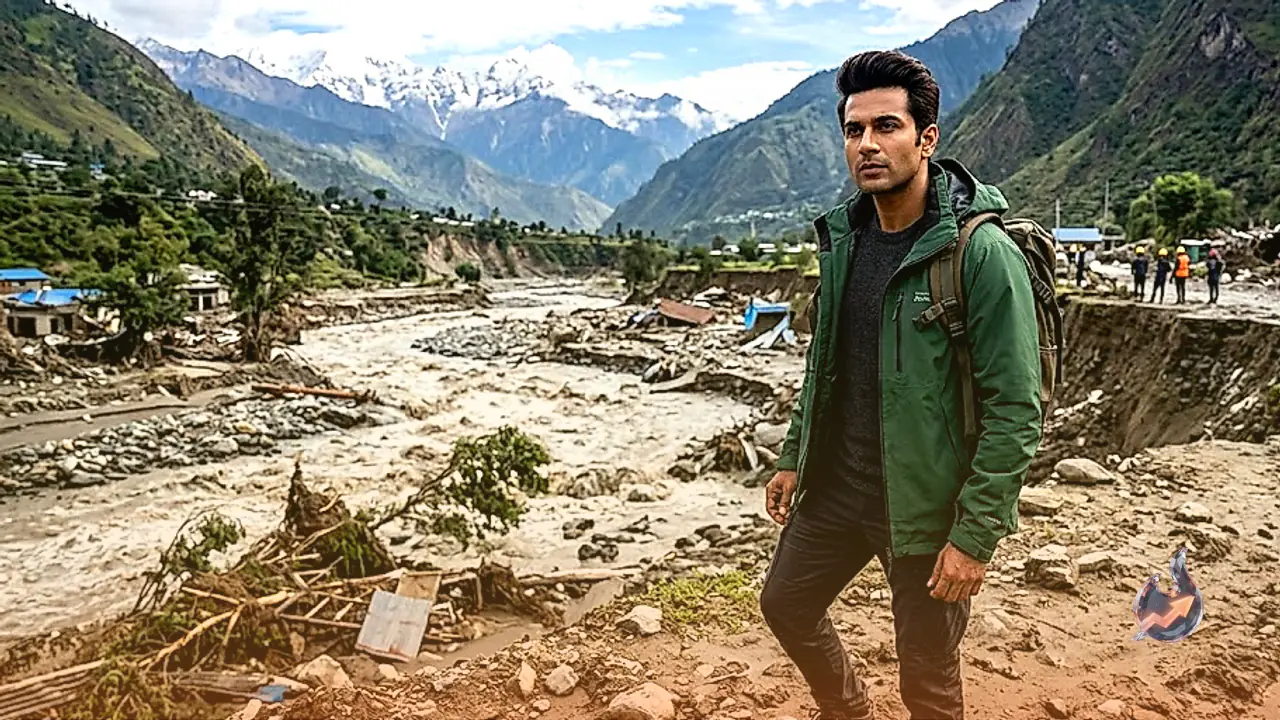
























Pakistan-based terror outfit Lashkar-e-Taiba appears to be making a significant and alarming shift in its strategy, one that has put India's security agencies on alert. With security forces maintaining a tight grip in Kashmir and heightened vigilance along the border, the group's older, conventional infiltration methods are increasingly failing. As a result, Lashkar is moving beyond guns and explosives to lay the groundwork for a new kind of high-tech jihad. Sources linked to security agencies say the outfit is now training Pakistani youth not just to be physically strong, but also in modern technology, cyber warfare and artificial intelligence, or AI. The entire exercise is said to be a carefully planned effort aimed at future terror and technology-driven operations.
A Terror Factory Hiding Behind A Political Front
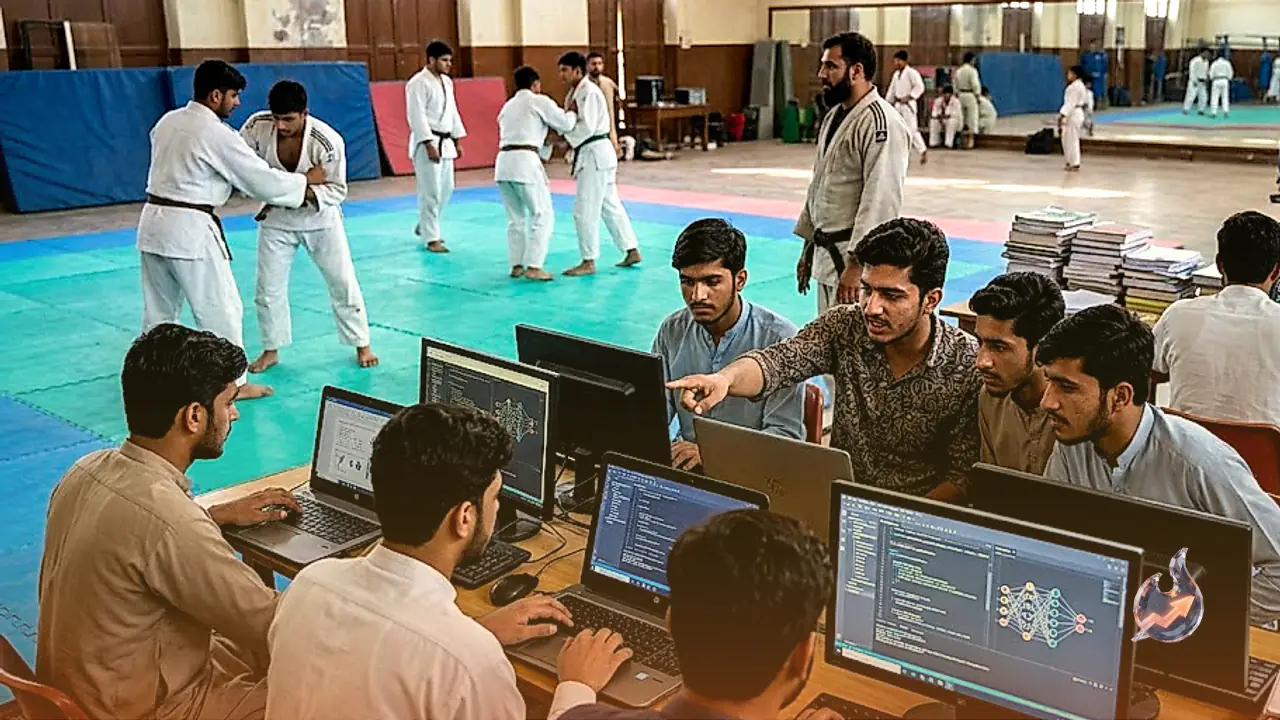
According to sources, Lashkar-e-Taiba does not operate openly under its own name. Instead, it is running special training camps for youth in several major Pakistani cities under the whitewashed banner of its political wing, the Pakistan Markazi Muslim League, or PMML. This arrangement lets the organisation avoid being directly linked to terrorist activity while its real work continues on the ground at full pace. These camps are not limited to ideological or religious indoctrination. Alongside it, a rigorous physical and technical training module has been put in place. Youth are being taught judo, karate, taekwondo, wrestling and tough physical exercises so that they can hold their own in any adverse situation or in hand-to-hand combat. The clear goal behind this exercise is to build a trained cadre with commando-level physical capability, one that will not back down when it comes to close-quarters combat.
India's Most Wanted Terrorist Spotted Training Recruits In A Swimming Pool
Some deeply alarming videos linked to this development have surfaced. In them, Rana Mohammad Ashfaq, India's most wanted terrorist, is seen personally getting into a swimming pool to give Pakistani youth advanced swimming training. Security experts believe that a Lashkar commander of this stature personally getting into the water to train recruits shows the organisation is preparing new fighters for waterborne infiltration and for special operations along the lines of maritime attacks like 26/11. The skill of escaping through water in difficult conditions and crossing the border undetected is turning these young recruits into dangerous water commandos. Experts note that this kind of training suggests Lashkar is no longer relying only on land infiltration routes, and is actively exploring the possibility of attacks via sea and river routes as well.
Women Now Being Trained In AI And Digital Tools
The most dangerous part of this new strategy is Lashkar's apparent bid to challenge India on the information and technology front as well. Sources claim that, in the name of skill development and technical literacy, large numbers of Pakistani women and young girls are being trained in artificial intelligence, digital tools, coding and other new technologies. In one video, Rana Mohammad Ashfaq is seen openly admitting.
The enemy (India) has moved far ahead of us when it comes to technology, so our mujahideen will have to learn modern technology no matter what.
That admission itself confirms the organisation is aware of its technological shortcomings, and is now roping in women as part of the effort to close that gap, marking a sharp departure from Lashkar's traditional way of operating.
Fears Of Cyberattacks And AI-Driven Propaganda
This technological pivot by Lashkar-e-Taiba has multiplied the concerns of India's security agencies. Intelligence agencies fear this advanced training could eventually be used to carry out large-scale cyberattacks against India, hack critical infrastructure, spread deepfakes and AI-generated propaganda on social media, and incite youth in the Kashmir Valley. Senior terrorists continue to make frequent visits to these Lashkar camps in Pakistan, motivating youth for what is described as their mission. India's security and intelligence agencies are closely monitoring this constantly evolving high-tech jihad network and view it as a very serious security challenge in the period ahead. The challenge for these agencies is now twofold, they must continue watching for conventional infiltration along the border while also racing to detect the digital conspiracies being spread through cyberspace and social media before it is too late.