























Indian history holds records of extraordinary leaders who challenged foreign rule while still in their youth. Among them stands Bhagwan Birsa Munda, revered as Dharti Aba, who rattled the British administration at merely 25 years of age through his unmatched courage and resistance.
Early Life and Humble Beginnings
He was born on November 15, 1875, in Ulihatu village located in the Khunti district of Jharkhand. His early years were spent grazing sheep and goats amidst the forests. Fond of playing the flute, his upbringing took place largely around the forests of Bohonda. Severe poverty within the family taught him the value of struggle from an early age, laying the groundwork for his future leadership.
The Spark of Ulgulan
Since childhood, he had listened to accounts of past Munda rebellions and heard community leaders speak of a golden era free from oppression. Toward the late 19th century, land was increasingly usurped through debt traps and heavy land taxes imposed by the colonial government. In response, Birsa Munda galvanized local tribes and launched a fiery movement known as 'Ulgulan', employing traditional weapons like bows and arrows to target British outposts and police stations.
Arrest and Unshakable Resolve
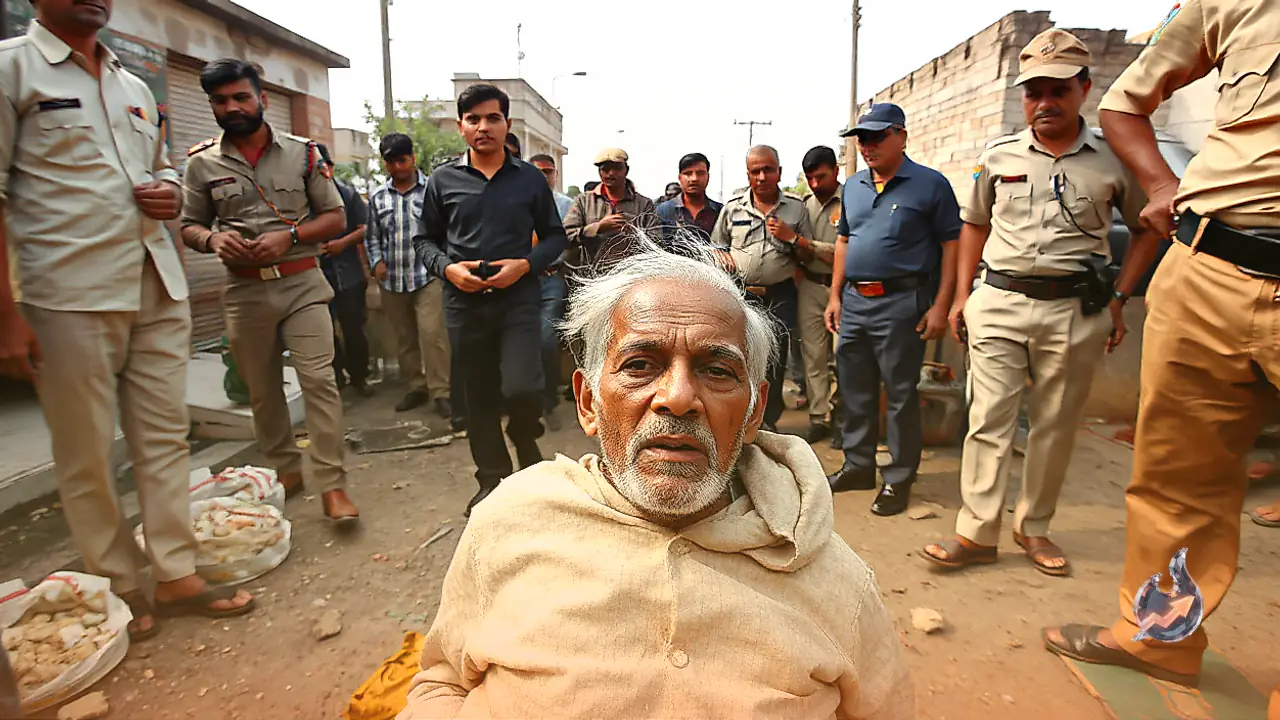
Nearly three decades before the martyrdom of Bhagat Singh and Chandrashekhar, he had already opened a front against the British. The colonial government had placed a bounty of 500 rupees on his head. Arrested initially in August 1895, he returned to organize his people after serving a two-year sentence. When he was later brought to court in chains, bleeding from his feet and bearing whip marks, his resolute gaze showed no fear, reflecting his deep conviction.
Legacy and the Chota Nagpur Tenancy Act
In 1900, during a gathering at Tambari Hill, British forces surrounded his followers, leading to a brutal clash where hundreds died and bodies were allegedly disposed of or buried alive. Although he survived that incident, he was eventually arrested on March 3, 1900, in Chakradharpur after being tracked down by police superintendent Ross. Confined to a dark cell in Ranchi, his health deteriorated, and he passed away on June 9, 1900. His ultimate sacrifice led directly to the enactment of the Chota Nagpur Tenancy Act in 1908, ensuring tribal lands could never be transferred and providing a permanent shield for indigenous communities.