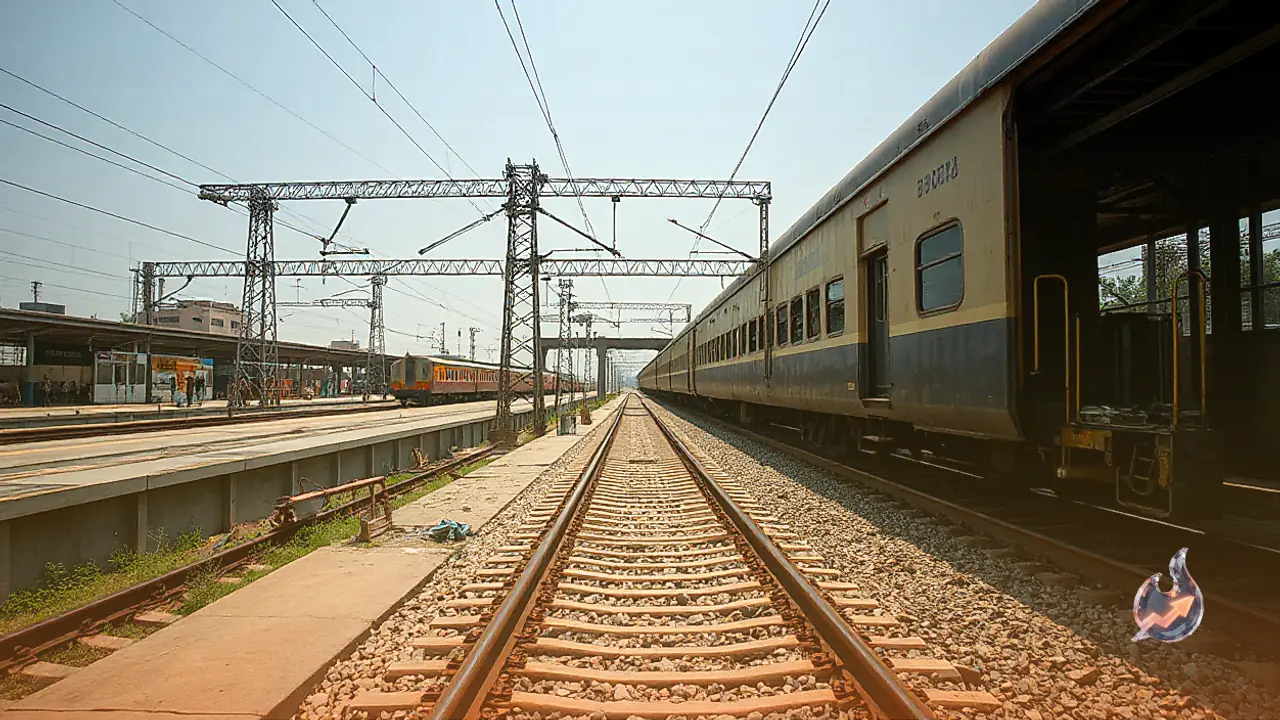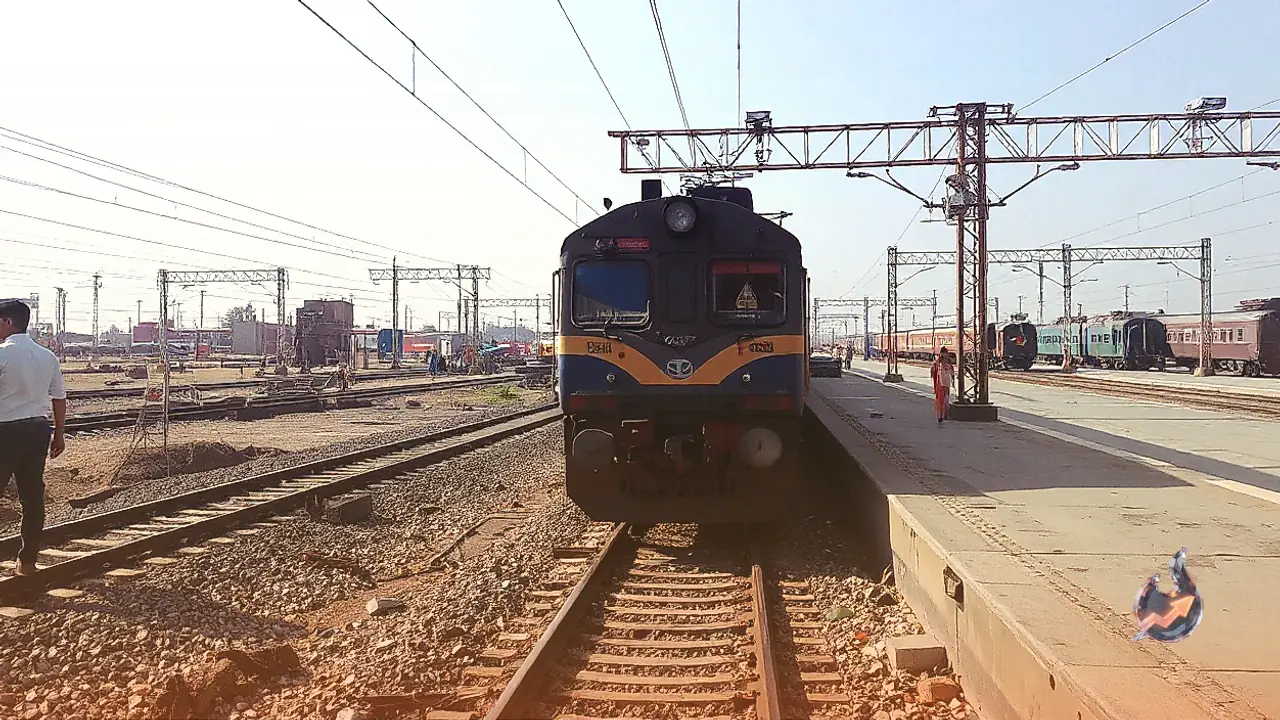

In a major milestone for India's pioneer high-speed rail corridor, the 50-kilometre track stretch connecting Surat and Bilimora in Gujarat has officially been energised. The National High Speed Rail Corporation Limited (NHSRCL) announced the operationalisation of the Overhead Equipment (OHE) traction system across this section and shared a video update on social media. This development represents a critical step forward in preparing the infrastructure required for the high-speed train's upcoming trial operations.
Progressive Energisation Across Twin Tracks
The energised 50-kilometre stretch covers both the up and down lines of the railway line. Following the project schedule, the traction network for this section was formally linked to the electrical grid on November 20, 2026. Project management highlighted that to maintain safety protocols and satisfy system checks, power is being introduced gradually in smaller sub-sections. This phased approach ensures that every segment undergoes rigorous verification before full-scale testing commences.
Advanced 2x25 kV Electrical System
The entire 508-kilometre Mumbai-Ahmedabad bullet train corridor incorporates a modern 2x25 kV overhead traction system, a standard electrical architecture utilised in advanced high-speed railway networks worldwide. A total of 14 Traction Substations (TSS) are planned along the route to draw power directly from the national electrical grid and feed it into the overhead traction lines supporting the trains.
Infrastructure Completed at Bilimora Substation
The first Traction Substation located at Bilimora in the Navsari district of Gujarat has reached technical readiness. Equipment including main control panels, changeover switches, electrical transformers, and circuit breakers inside dedicated housing buildings are completely installed. Power supply to this sub-station is routed through Gujarat Energy Transmission Corporation Limited's (GETCO) 220 kV Ambetha grid substation.
Engineering Achievements and Noise Mitigation
Constructing this elevated 50-kilometre section required complex engineering solutions, including bridges spanning four rivers and an elevated steel bridge crossing National Highway 53 (NH-53). To minimize sound disruption to adjacent communities during future train operations, engineers have installed approximately 94,000 noise barriers along the elevated viaduct walls.
Public Advisory Issued and Project Timeline
With high-voltage electrification now live, NHSRCL issued a public advisory cautioning individuals against approaching or attempting unauthorized work near the high-voltage overhead lines. The overall bullet train route includes 12 stations: Mumbai, Thane, Virar, Boisar, Vapi, Bilimora, Surat, Bharuch, Vadodara, Anand/Nadiad, Ahmedabad, and Sabarmati. The central government aims to launch the initial phase covering the Surat to Vapi section around mid-2027.