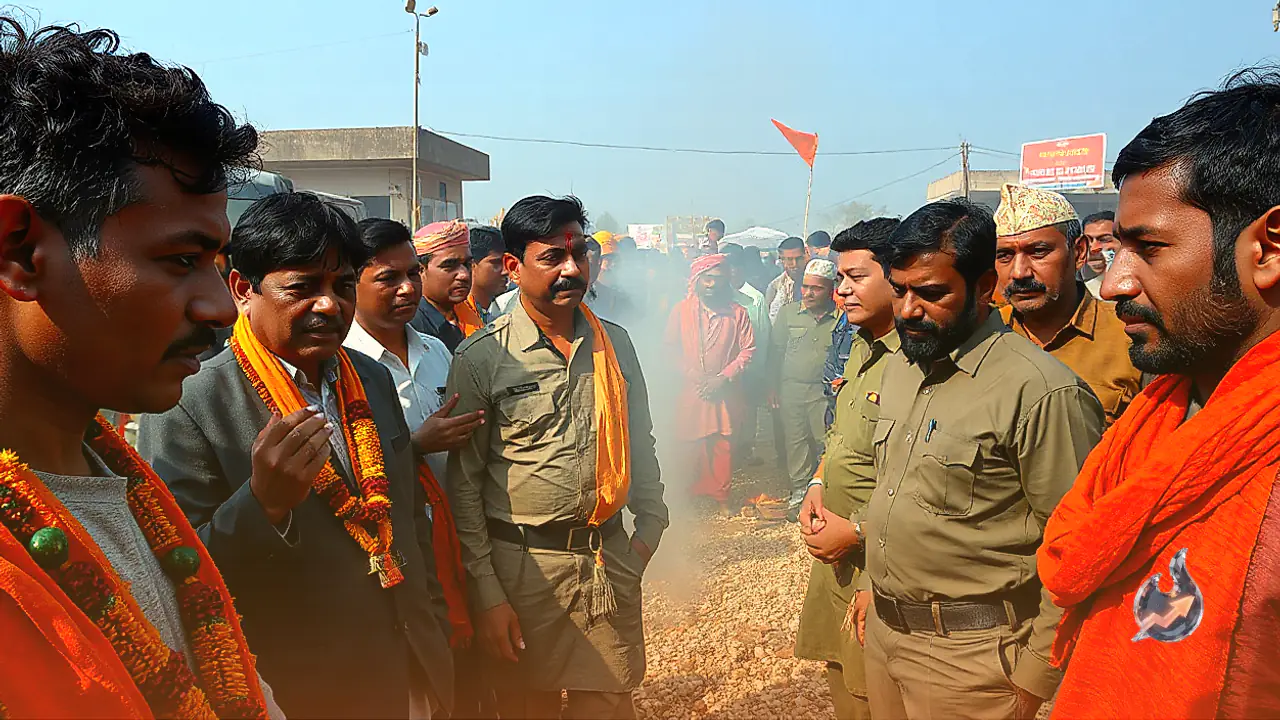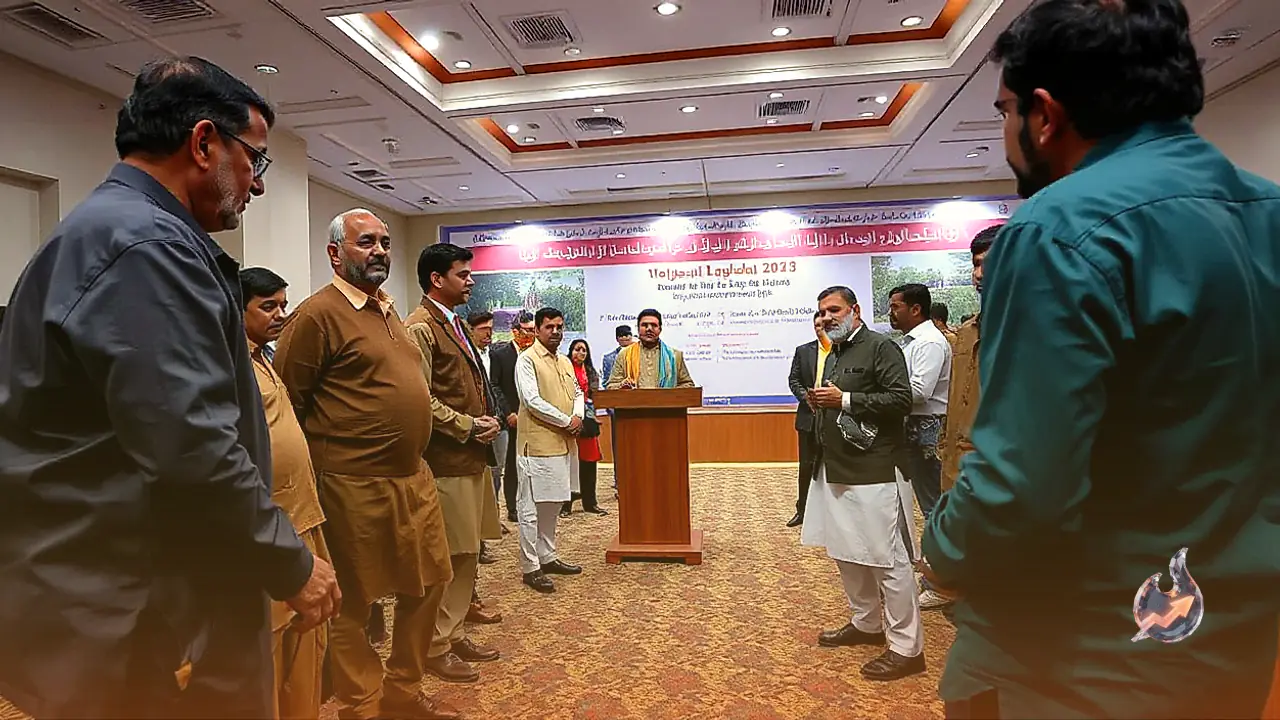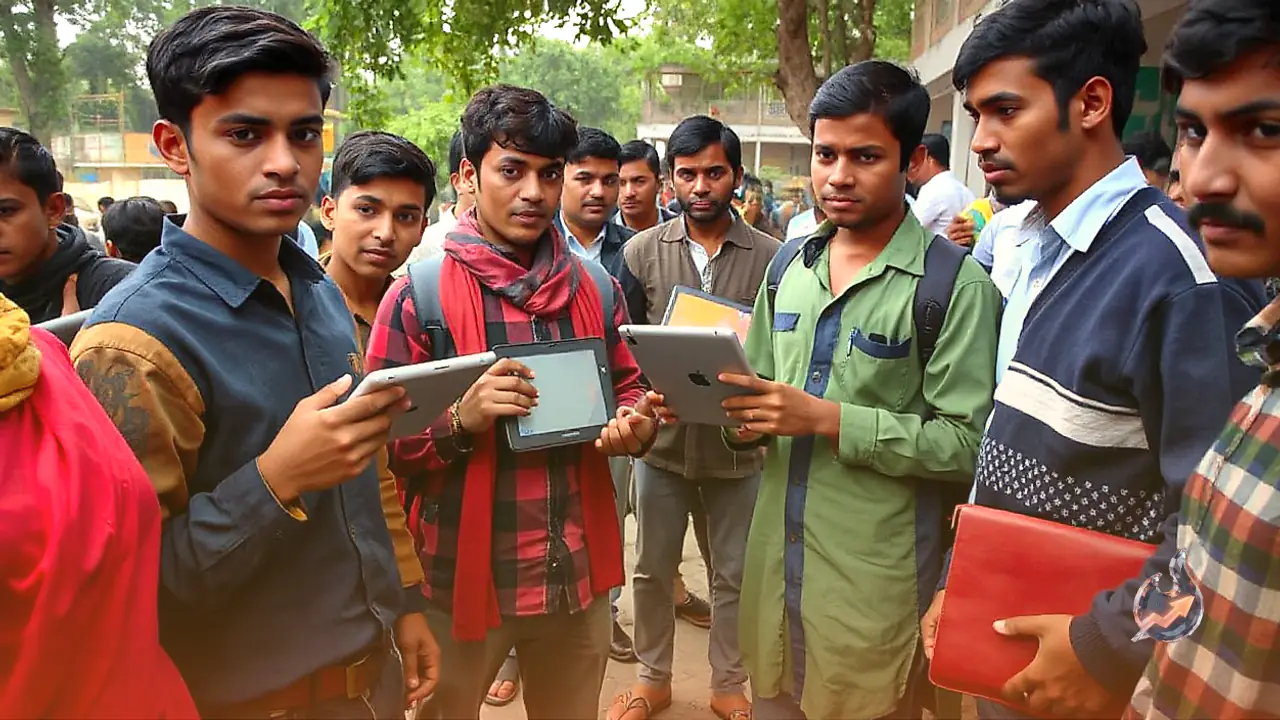

Uttar Pradesh Chief Minister Yogi Adityanath recently delivered a powerful message to the youth during a major public event in Gorakhpur, where he distributed digital tablets to over 50,000 college students. He strongly advised young individuals to step away from the illusion of social media reels and instead focus on understanding and tackling the harsh realities of everyday life. The Chief Minister emphasized that modern technology should never be treated as a mere tool for wasting precious time, but rather as a powerful medium for acquiring new skills and knowledge. While handing out the devices, he carefully explained the practical purposes for which these technological tools are meant to be utilized.
During his address, the Chief Minister first directed his attention toward those young citizens who have recently attained the age of 18. He instructed them to immediately use their new tablets to access the official Election Commission portal or application and register their names in the electoral rolls to get their voter IDs made. Highlighting demographic data, he pointed out that based on the state population, Uttar Pradesh should ideally have approximately 8,447,000 registered young voters in the 18 to 19 age bracket. However, the ground reality currently falls significantly short of these expected numbers.
According to administrative records, the voter list published in April contained only 1,763,000 young voters, and the draft roll released recently showed this figure dropping further to 1,183,000. It is precisely to reverse this concerning decline that the Chief Minister strongly encouraged the youth to step forward and secure their electoral participation. Shifting focus to academic advancement, he explained that each of these distributed tablets functions virtually as an independent university. He noted that through collaboration with Infosys, approximately 18,000 online educational courses have been pre-installed on these devices, allowing students to pursue any subject of their choice from the comfort of their homes.
Seamlessly tying these points together, he also explained the fundamental differences between virtual reels and real life. Political analysts observe that the current administration's strategy remains heavily focused on women and young voters. The leadership firmly believes that the state's improved law and order situation stands as its greatest achievement, which has brought peace and tranquility to the public while attracting substantial capital investment. Women voters have experienced the most profound impact of this security transformation. Nevertheless, the primary challenge facing the leadership is figuring out how to effectively communicate these monumental changes to younger voters who have no personal recollection of the past.
First-time voters and young citizens today have never witnessed the turbulent days in Uttar Pradesh when fear prevailed everywhere and it was extremely difficult for young women and girls to step safely outside their homes. Consequently, it is difficult for this new generation to truly fathom the scale of transformation achieved by the administration. To bridge this generational gap, the Chief Minister specifically appealed to youth aged 18 to 22 to converse with their grandparents, parents, and older relatives to understand the grim reality of Uttar Pradesh prior to 2017. When younger individuals listen to accounts of the past from their elders, they will naturally comprehend the vast difference in governance.
Azam Khan's Political Resurgence and Ongoing Debates
Meanwhile, in state politics, Samajwadi Party leader Azam Khan has become extremely active following his release from jail on interim bail. He traveled to Rampur to offer Friday prayers at a local mosque before visiting the local party office accompanied by his sons Abdullah and Adeeb to meet with party workers. His recent remarks regarding AIMIM chief Asseenuddin Owaisi's attire and background quickly drew sharp reactions from Owaisi's party members, intensifying political friction across the state.
AIMIM spokesperson Shadab Chauhan responded fiercely to the remarks, stating that if Azam Khan genuinely cared about the welfare of the Muslim community, he should have extended assistance and relief provisions to the victims of the Muzaffarnagar riots during his tenure in power. Chauhan further argued that Azam Khan should not attempt to position himself as the self-appointed custodian of community votes. He remarked that if the leader truly cares about the community's well-being, he should question party chief Akhilesh Yadav regarding why he is visiting Ayodhya to offer prayers to Ram Lalla instead of raising the Babri mosque issue.
The return of Azam Khan to the active political arena has visibly energized members of the Samajwadi Party. Given his aggressive rhetoric and direct articulation of grievances concerning the minority community, party loyalists believe they have regained a powerful voice capable of countering rival arguments. Conversely, Bharatiya Janata Party leaders have dismissed his resurgence, claiming that he holds no remaining electoral influence. They recalled that during the previous Lok Sabha elections in Rampur, when the Samajwadi Party fielded a candidate other than his preferred choice, he made relentless efforts to defeat the party nominee, though ultimately failing.
The ruling party argues that if he could not maintain absolute sway within his own stronghold of Rampur, his influence elsewhere across the state would be negligible. Furthermore, BJP representatives assert that Chief Minister Yogi Adityanath completely dismantled the atmosphere of fear previously associated with Azam Khan, rendering him incapable of delivering substantial electoral benefits to the Samajwadi Party. However, political commentators suggest that when Azam Khan recounts the hardships and legal struggles he faced, it will inevitably create a psychological resonance among listeners. Ultimately, the electorate will hear varying perspectives from both political factions and make their own independent judgment.
A comprehensive discussion and detailed analysis of these political developments can be watched on the show Aaj Ki Baat.