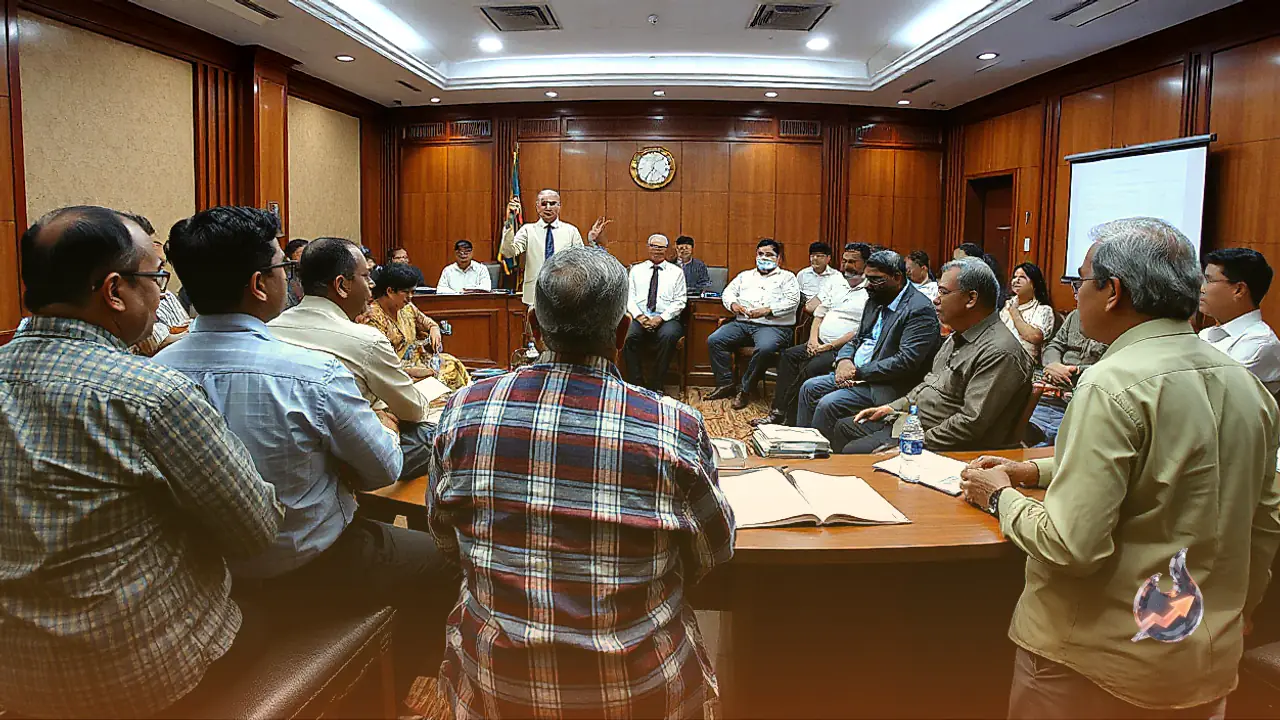

















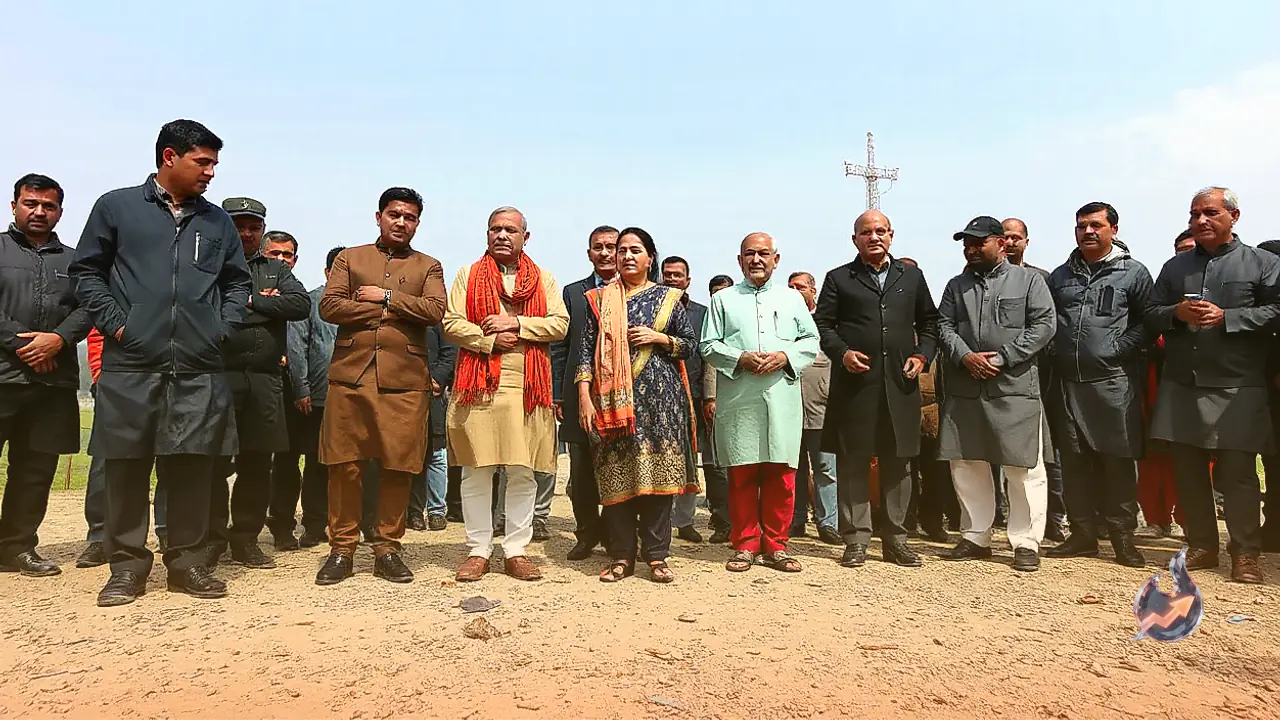

Political friction has flared up in Jammu and Kashmir as Peoples Democratic Party president Mehbooba Mufti launched a sharp critique against the National Conference. Speaking at a party convention on Monday, she placed the responsibility for the lingering mistrust between the Centre and the region squarely on the shoulders of the National Conference, describing it as an organization that has repeatedly altered its position on Kashmir to suit its political interests.
The History of Accession and the Demand for Plebiscite
Addressing the gathering, the PDP chief reflected on key historical developments, asking who was truly responsible for creating an atmosphere laden with suspicion. She noted that 79 years ago, when India gained independence, Jammu and Kashmir also acceded to the country. That instrument of accession was signed by National Conference founder Sheikh Mohammad Abdullah, who chose to align with India despite the region being a Muslim-majority state.
However, Mehbooba Mufti pointed out that this stance shifted dramatically only a few years after the accession took place. The party began advocating for a plebiscite, thereby creating widespread uncertainty among the public. She noted that the party sustained the demand for a plebiscite in Pakistan for 22 years, only to abruptly abandon that position in 1975 to assume the chief minister's post. This change unfolded under the historic 1975 agreement between Indira Gandhi and Sheikh Abdullah, which installed the National Conference founder as chief minister despite his party not holding a single legislative seat at the time.
Compromises Over Power and the Question of Special Status
Mehbooba Mufti argued that a thirst for political office drove this sudden turnaround, pointing out that the public was told to forget the plebiscite once leadership was secured. She highlighted that founding national leaders such as Jawaharlal Nehru and Dr. B.R. Ambedkar had granted the region a special status and its own constitution. Despite these foundational gestures, she contended, the vacillating approach of the National Conference ended up seeding doubts in Delhi, not just about regional politicians, but regarding every single Kashmiri citizen.
She maintained that the actions of the National Conference had consistently harmed the broader interests of Jammu and Kashmir, asserting that lasting peace would remain elusive as long as the party remained in power.
Defending the 2014 Alliance and Advocating Dialogue
Turning her attention to her own party cadres, Mehbooba Mufti urged them never to feel apologetic about the governing alliance formed with the Bharatiya Janata Party in 2014. She advised party workers to respond to criticisms by reminding detractors that it was their leadership whose shifting positions plunged the Kashmiri public into prolonged hardship.
Without explicitly naming three-time chief minister and National Conference president Farooq Abdullah, she referenced his rhetoric, claiming that asserting Pakistan protects Kashmir amounts to provocation. She asserted that such messaging acts as a deliberate signal to Delhi that Kashmiris side with Pakistan. Concluding her address with an appeal regarding regional stability, she underscored that resolving the Kashmir dispute requires sincere political dialogue rather than the application of coercive methods.