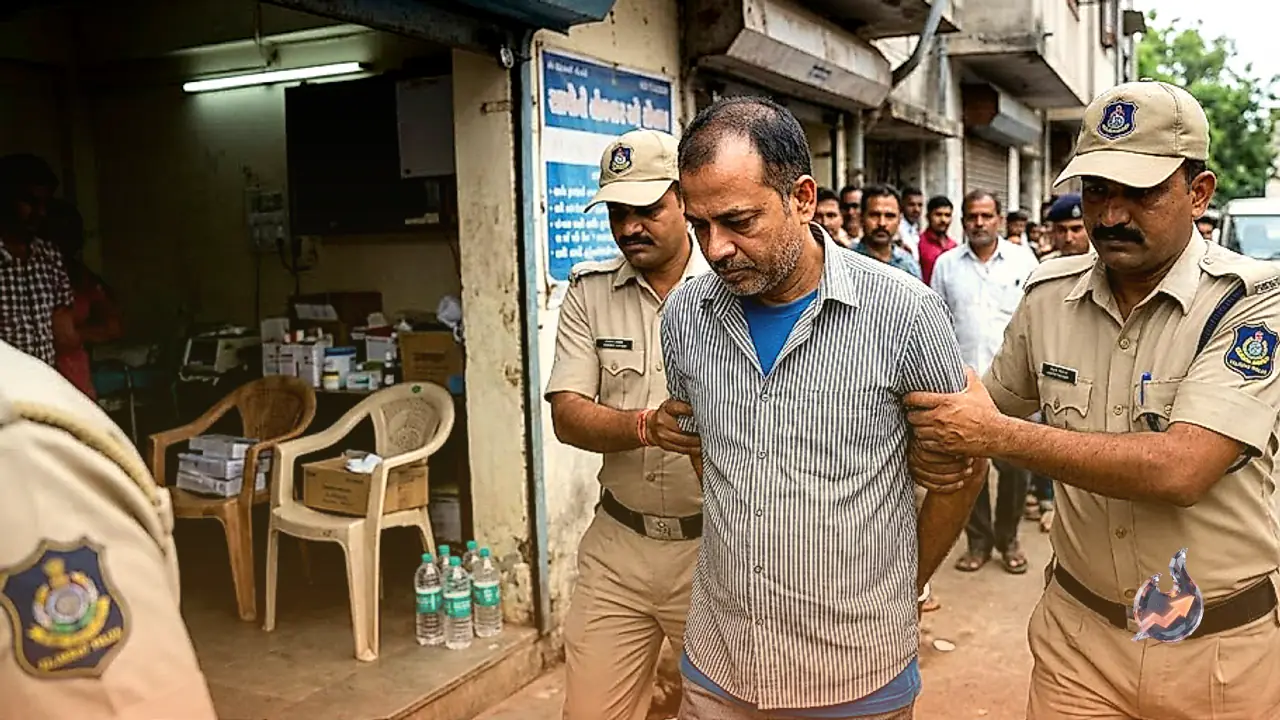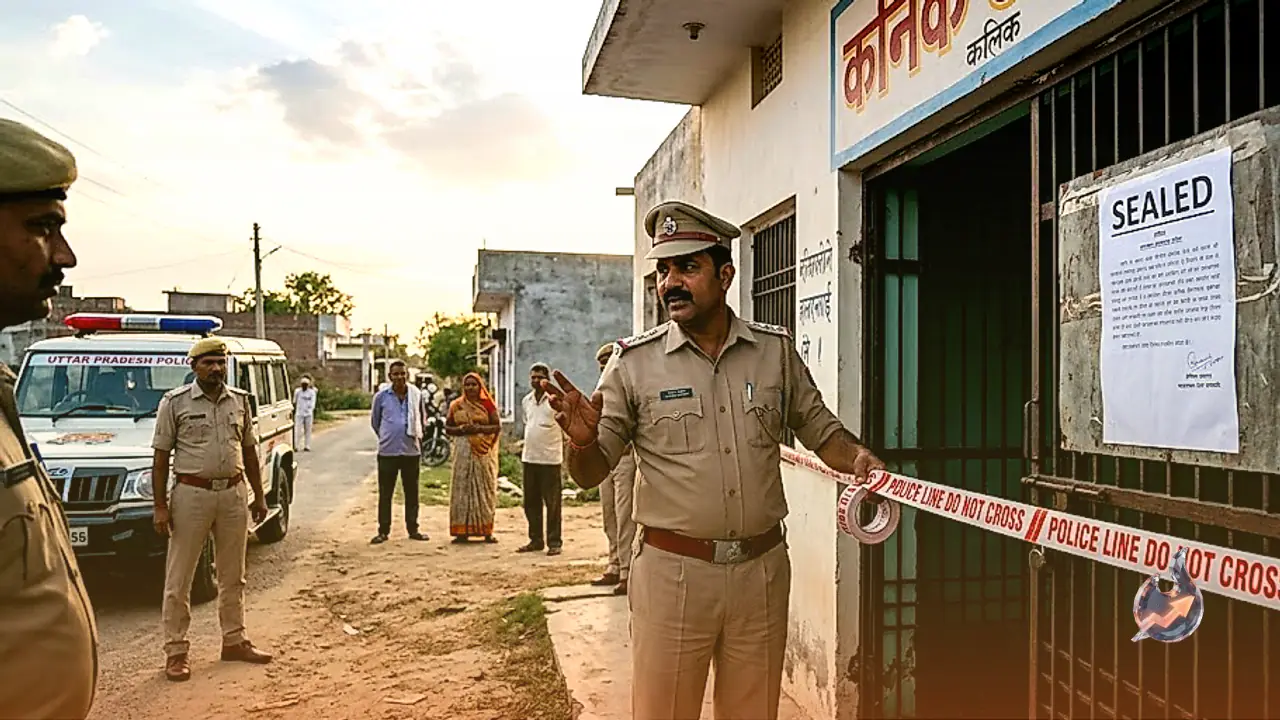





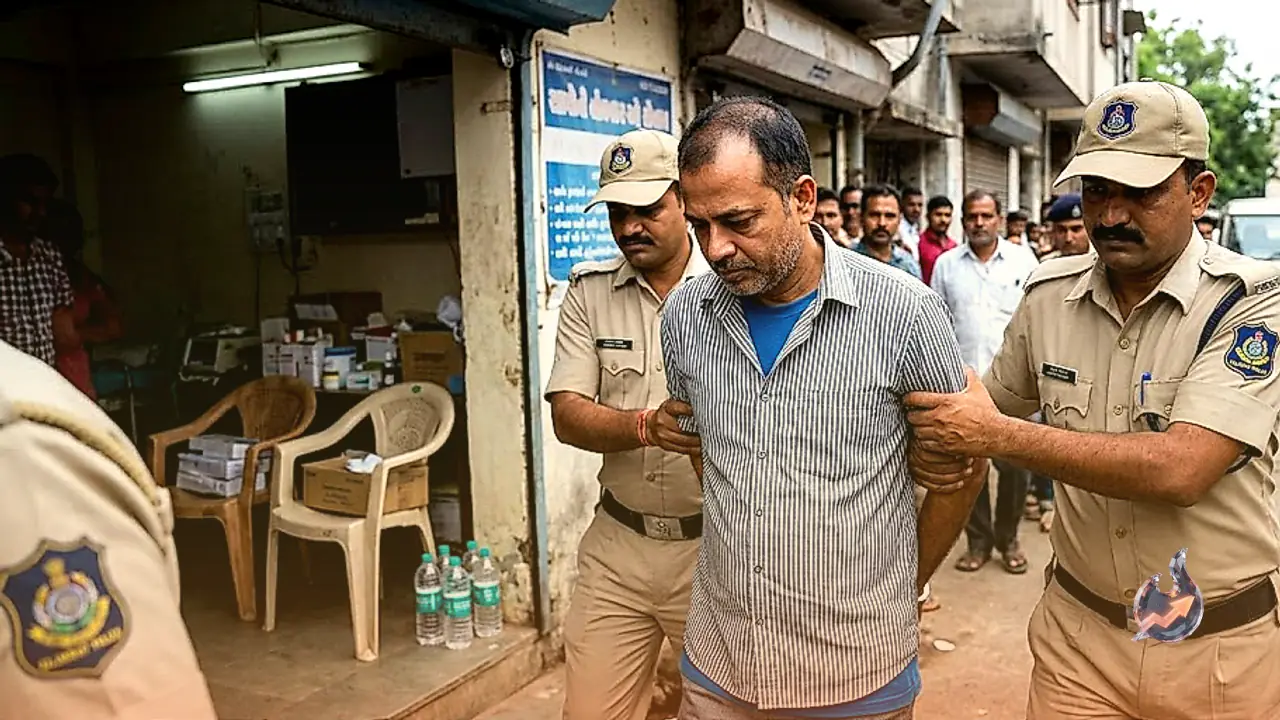















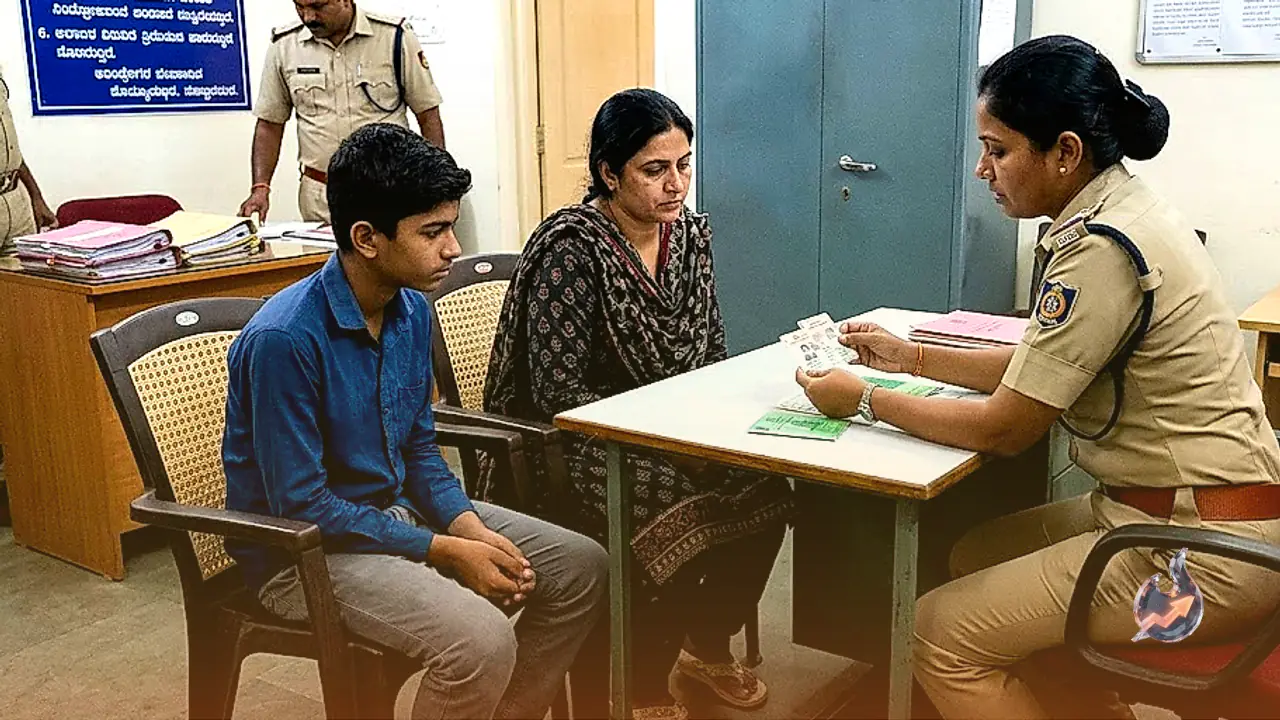

An alarming security incident has surfaced in the Chikkaballapur district of Karnataka, where local police have apprehended two Pakistani nationals living illegally with Indian identity documents. The mother and son duo managed to obtain official ration cards and voter registration by concealing their original citizenship, sparking an intense investigation into state security systems, administrative lapses, and verification protocols. This arrest has sent shockwaves through the local administration and triggered a wider political debate regarding how foreign nationals are acquiring vital government proofs.
Identity of the Accused and Their Background
The individuals taken into custody have been identified as Farah Naz and her son, Mohammed Fardeen. Investigation details reveal that a resident of Bagepalli named Mohammed Ayub Khan had previously traveled to the United Arab Emirates (UAE) for employment, where he met and married Farah Naz, who is a Pakistani citizen. Over the years, the couple had four children together. One of their children, Mohammed Fardeen, was born in Pakistan. Consequently, while Ayub Khan remains an Indian citizen, both his wife Farah Naz and son Mohammed Fardeen hold Pakistani nationality. Despite their foreign citizenship, the family had been residing in Bagepalli for a considerable period before their true identities were uncovered by the authorities.
Legal Actions and Document Cancellation
Following the discovery of the security breach, Tahsildar Manisha N. Patri filed an official complaint detailing the fraudulent acquisition of citizenship documents. Based on this administrative complaint, the local police registered a formal criminal case against Farah Naz and Mohammed Fardeen. The charges have been framed under the relevant provisions of the Bharatiya Nyaya Sanhita (BNS), the Foreigners Act, and the Representation of the People Act.
As soon as the Chikkaballapur police received credible intelligence about the presence of Pakistani nationals in the region, they went on high alert. The seriousness of the situation prompted a thorough verification of public records by the Deputy Commissioner and local administrative officers. Once the fraudulent nature of their documents was officially confirmed, the authorities immediately revoked their voter identification cards and ration cards to prevent any further misuse.
A deeper probe is currently underway to determine the exact loopholes in the administrative machinery that allowed these highly sensitive identity proofs to be issued to foreign nationals. Investigators are searching for any local government officials, clerical staff, or external middlemen who might have assisted the family in bypassing official scrutiny.
Political Dispute Over Residency Certificates
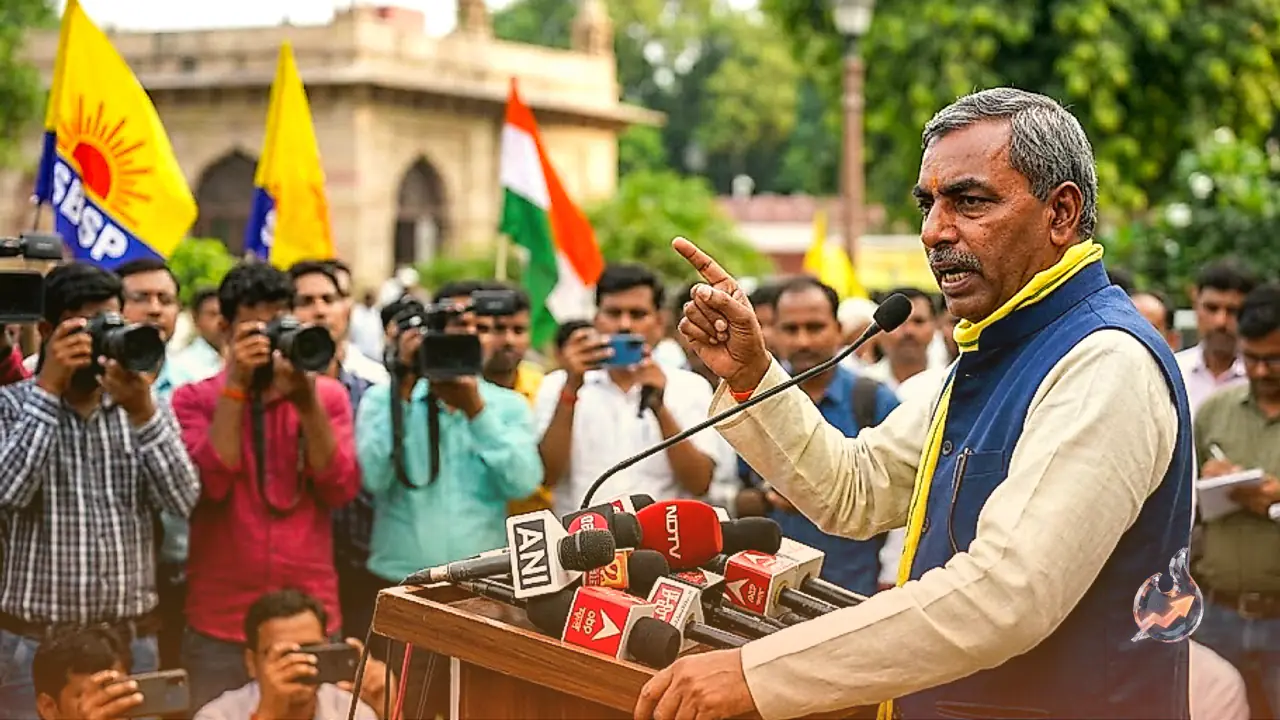
This arrest has occurred at a highly sensitive time when Karnataka is witnessing a heated political debate concerning the issuance of Permanent Residency Certificates (PRC). The state administration has proposed granting local Tahsildars the authority to distribute PRCs to applicants. However, the opposition BJP has raised strong objections to this plan. The party warns that delegating such administrative powers could be exploited by illegal immigrants from neighboring countries, specifically Pakistan and Bangladesh, to acquire official Indian documents, thereby compromising national security.
In response to these concerns, Karnataka Home Minister Priyank Kharge defended the government's stance. He clarified that PRCs would only be issued following a meticulous and rigorous scrutiny of all legal documents and physical identification. He argued that the implementation of this system would actually strengthen governance by making it easier for the administration to track, identify, and monitor illegal immigrants residing within the state's borders.