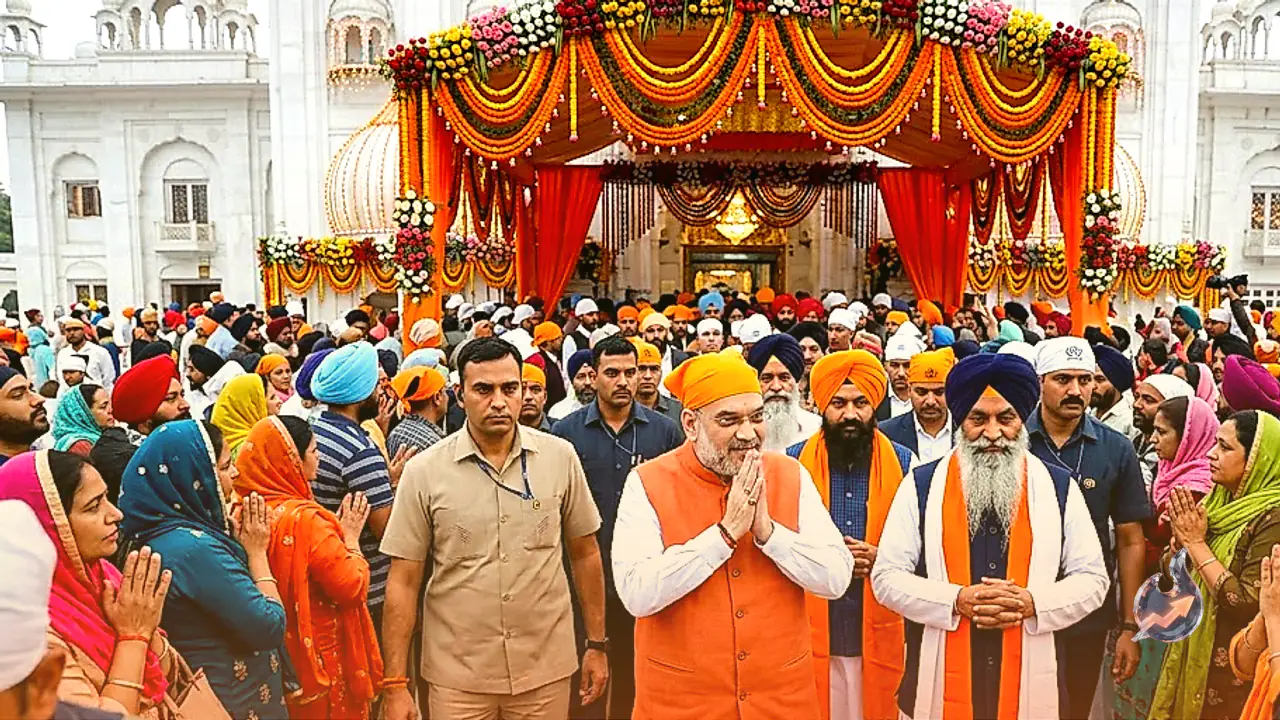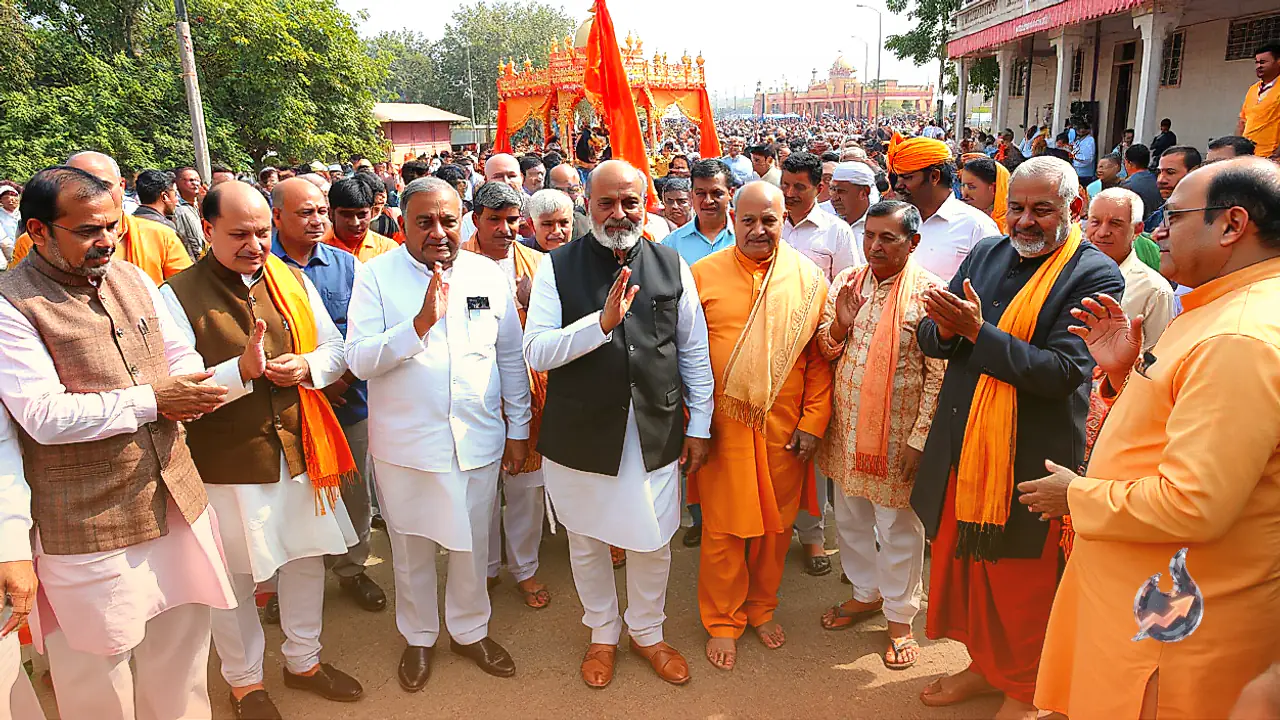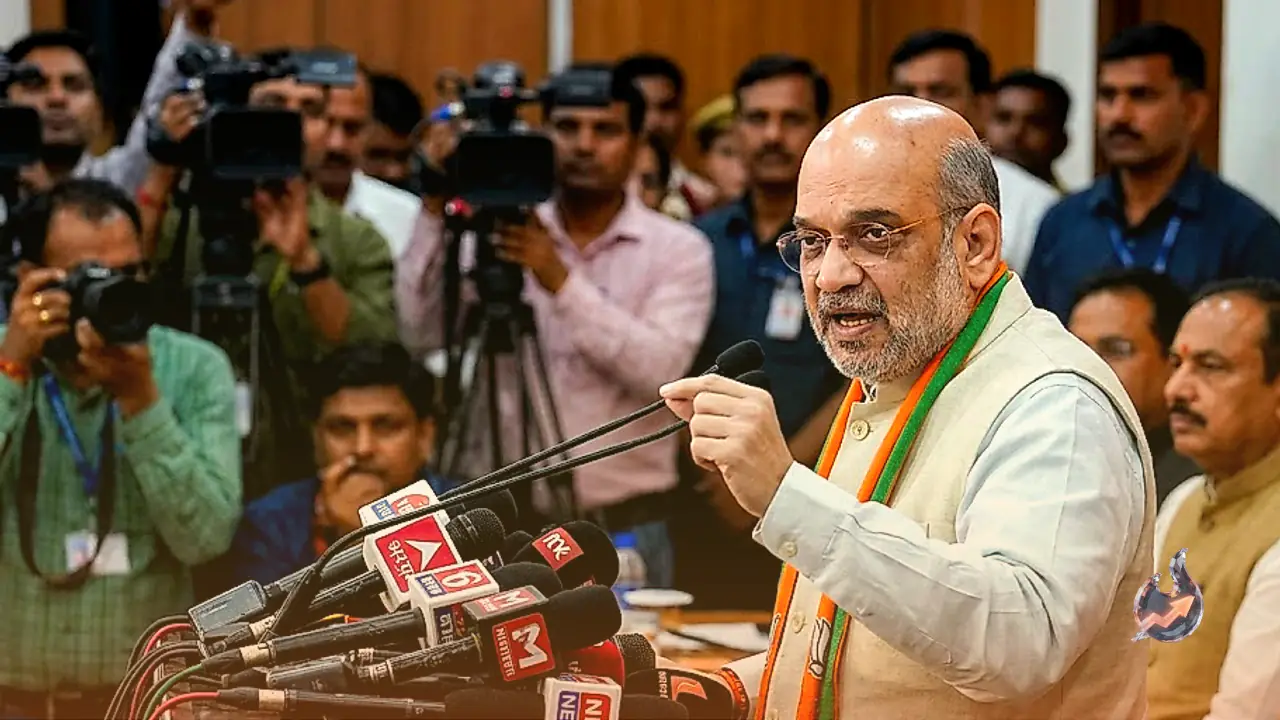





















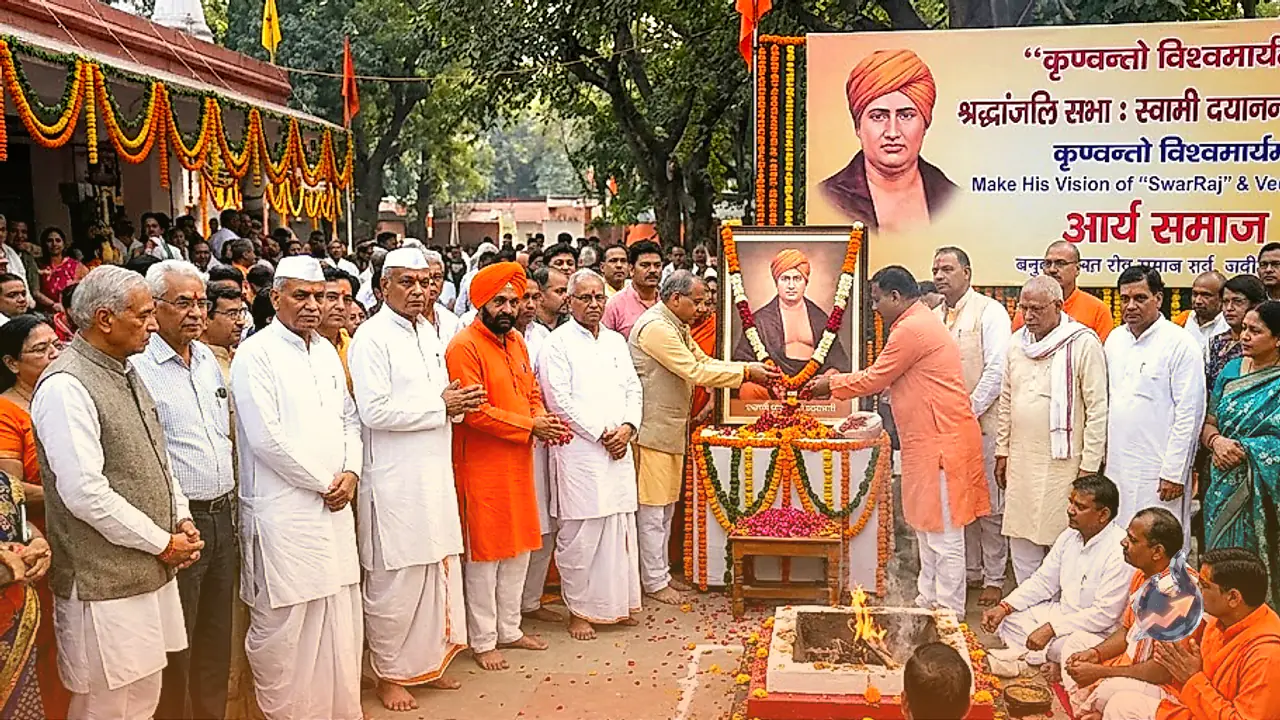

Tributes were paid across the country to mark the death anniversary of Swami Dayanand Saraswati, the founder of Arya Samaj and one of modern India's most influential social thinkers. On this solemn occasion, Amit Shah reflected on Swami Dayanand Saraswati's enduring legacy in reviving Vedic principles, advancing social reform, and awakening national pride.
What Amit Shah Stated in His Tribute
Sharing his thoughts on social media platform X, Amit Shah bowed in deep reverence to the visionary nationalist thinker and social reformer on his death anniversary. He noted that by championing the clarion call to return to the Vedas, Swami Dayanand instilled cultural self-respect within Indian society while kindling the ideals of national pride and self-governance.
About Maharishi Dayanand Saraswati
Maharishi Dayanand Saraswati (1824-1883) was a transformative thinker and the founder of the reform movement Arya Samaj. Known as Moolshankar during his childhood, he dedicated his life to reforming society, advocating for rigorous rationalism, and dispelling orthodox distortions by reconnecting people with Vedic philosophy. His philosophical foundation placed strong emphasis on the doctrine of karma, reincarnation, and asceticism.
Pioneering Swaraj and Social Consciousness
Historical records note that Swami Dayanand Saraswati was the earliest leader to articulate the call for Swaraj in 1876, an ideal later broadened into a nationwide movement by Lokmanya Tilak. He was also a passionate advocate for universal education, women's empowerment, and social harmony. Furthermore, during India's initial census, Swami Dayanand issued guidance from Agra to Arya Samaj branches across the country, advising members to record their faith formally as Sanatan Dharma.
Public Reaction
Online audiences responded positively to the tribute, offering their own salutations and acknowledging Swami Dayanand as a cornerstone of India's cultural renaissance. Many users highlighted the timeless importance of his teachings on social equality and Vedic wisdom in guiding contemporary society.