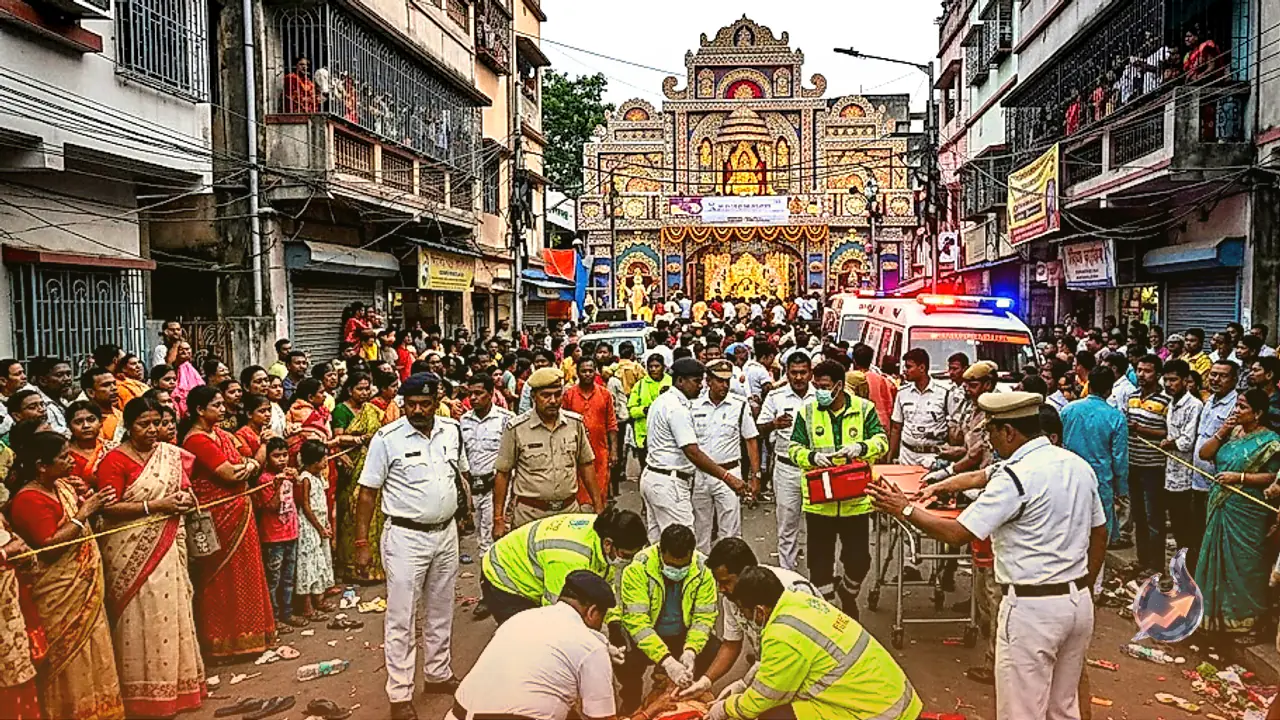
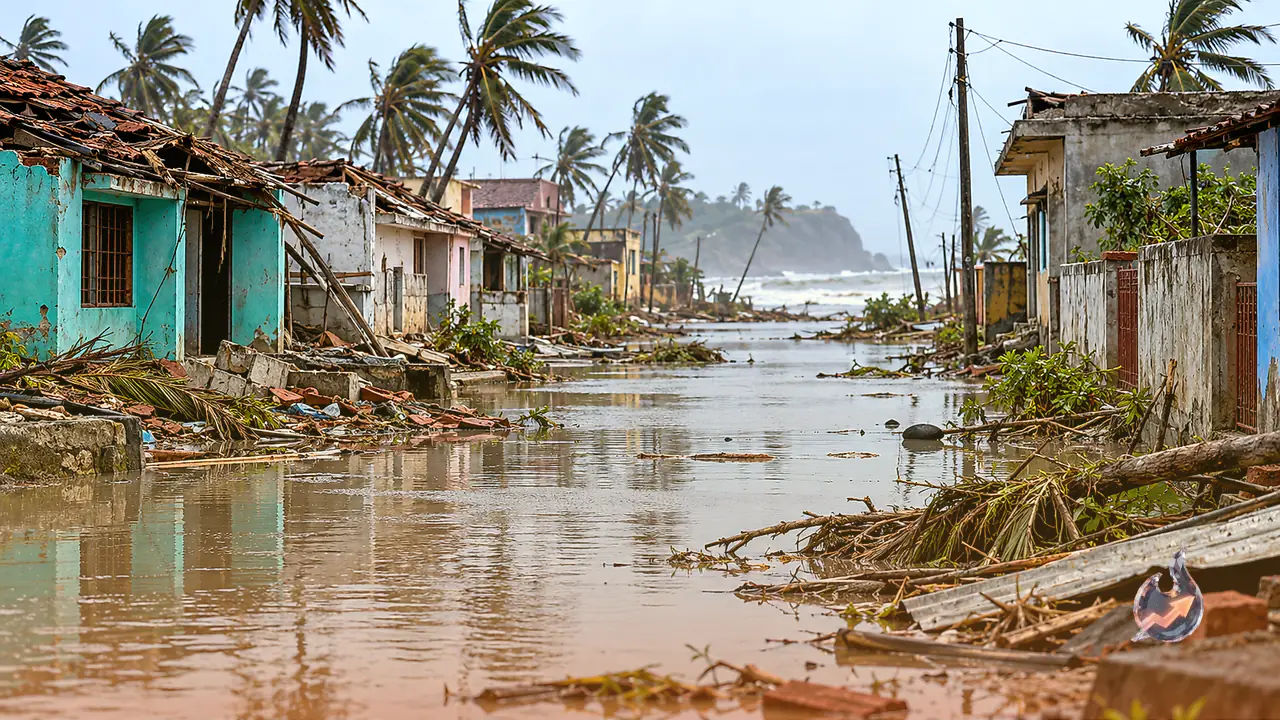

















Severe weather conditions and natural disasters have severely impacted multiple regions, drawing serious attention from political figures and citizens alike. The situation remains critical in several parts of the country where heavy downpours and rising floodwaters have disrupted daily routines. Meteorological trackers and official updates indicate that Cyclone Arnab has brought significant destruction to coastal and interior regions, prompting extensive rescue and relief efforts by local administrations.
Impact and Scale of Cyclone Arnab
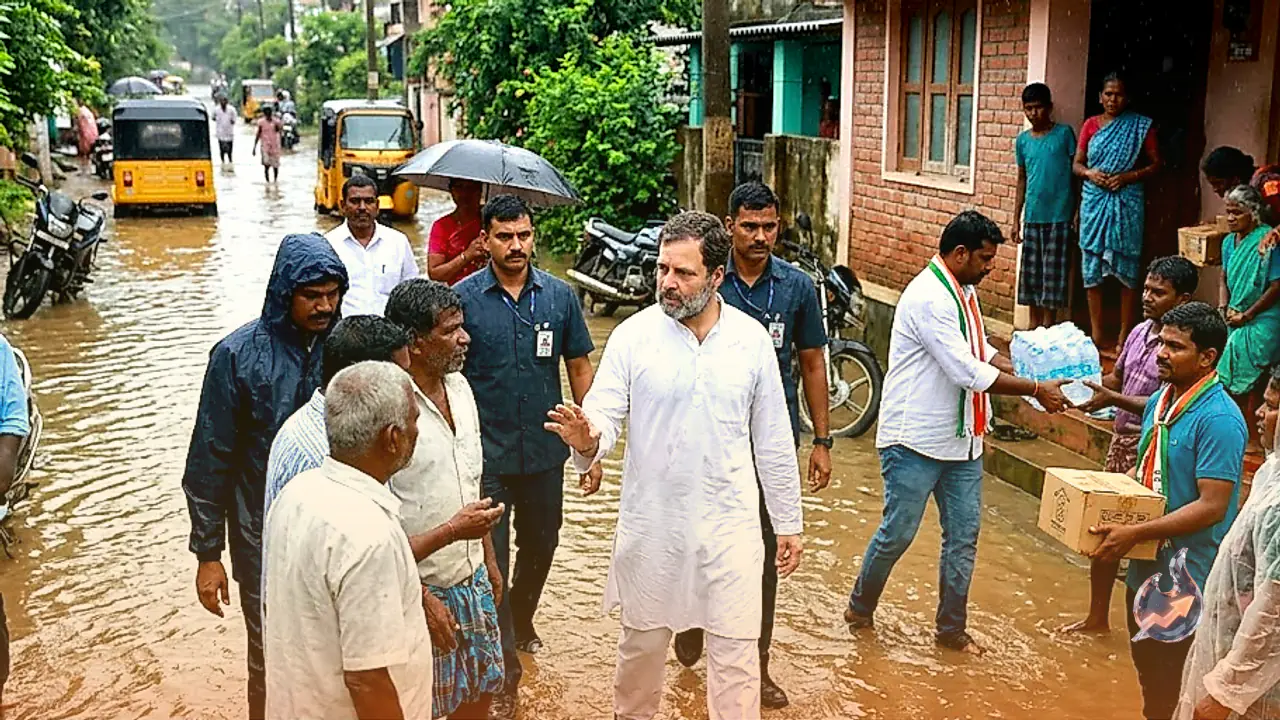
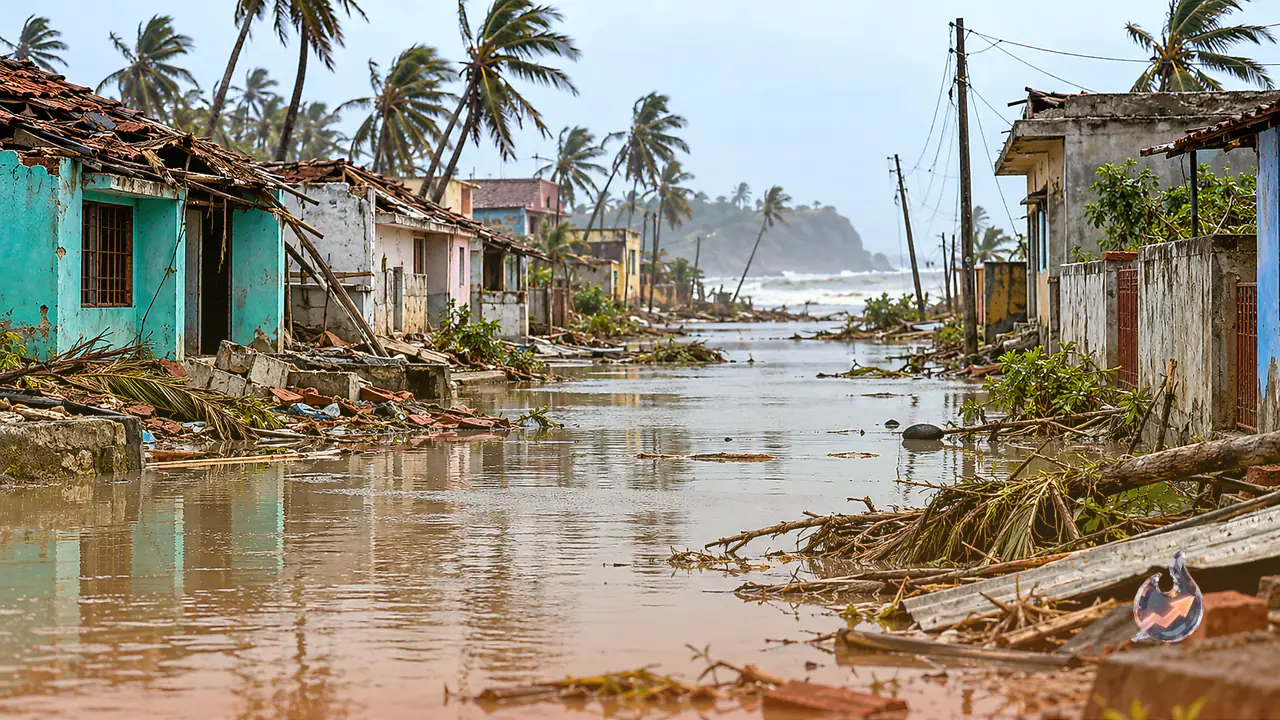
Northern regions of Andhra Pradesh bore the brunt of the storm, recording up to 26 cm of rainfall that triggered widespread flooding and structural damage. Tragically, at least 7 fatalities have been reported from the affected areas as relentless downpours inundated homes and farmland. The intensity of the weather system drew comparisons to past major storms such as Hudhud, raising alarms among disaster management authorities. However, recent forecasts indicate that the system has begun to lose momentum, eventually weakening into a deep depression as weather conditions gradually stabilize.
Official Response and Condolences
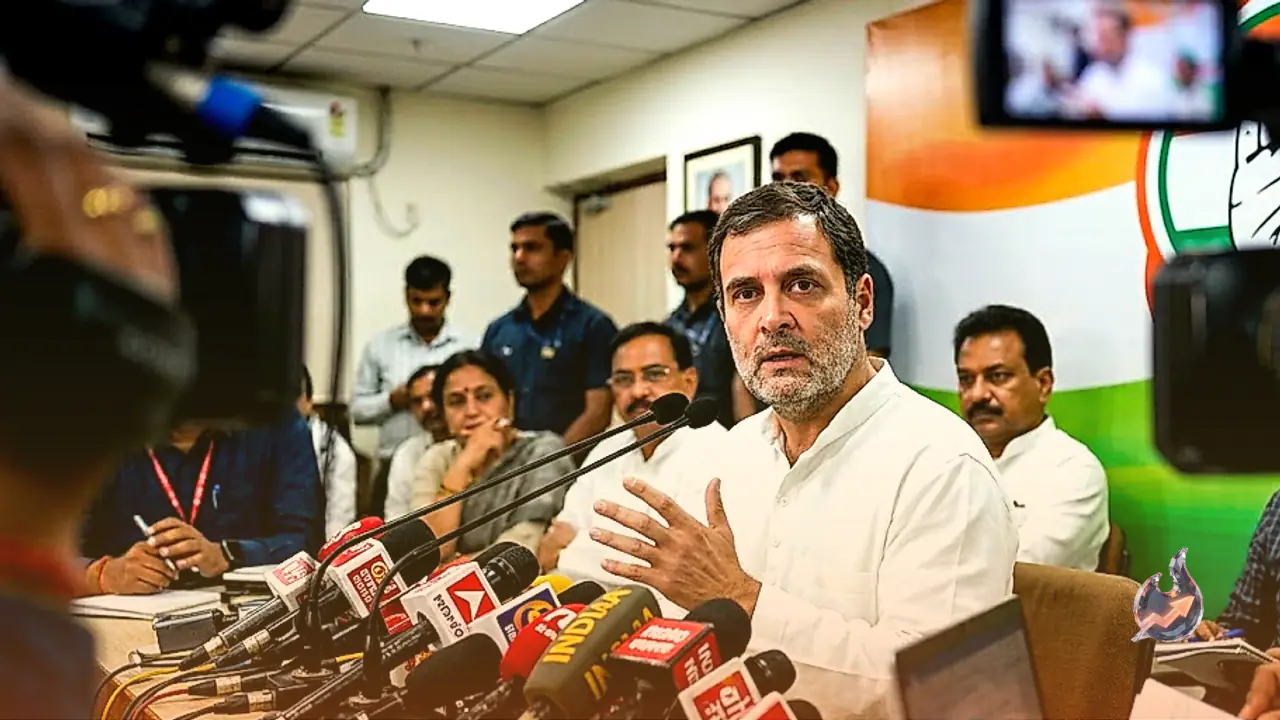
Amid the unfolding crisis, Rahul Gandhi took to the social media platform X to voice his serious apprehensions regarding the unfolding humanitarian situation. He stated that he was deeply concerned by the devastation left behind by Cyclone Arnab in Andhra Pradesh alongside the severe flooding witnessed across parts of Odisha. Extending his heartfelt condolences to the families who lost their loved ones, he emphasized that his thoughts remain with everyone whose homes were destroyed or whose lives were upended by the calamity.
Public Reaction
The developments sparked widespread reactions and debates among social media users, with many discussing the adequacy of government relief measures and the logistical challenges faced by citizens in the disaster zones.