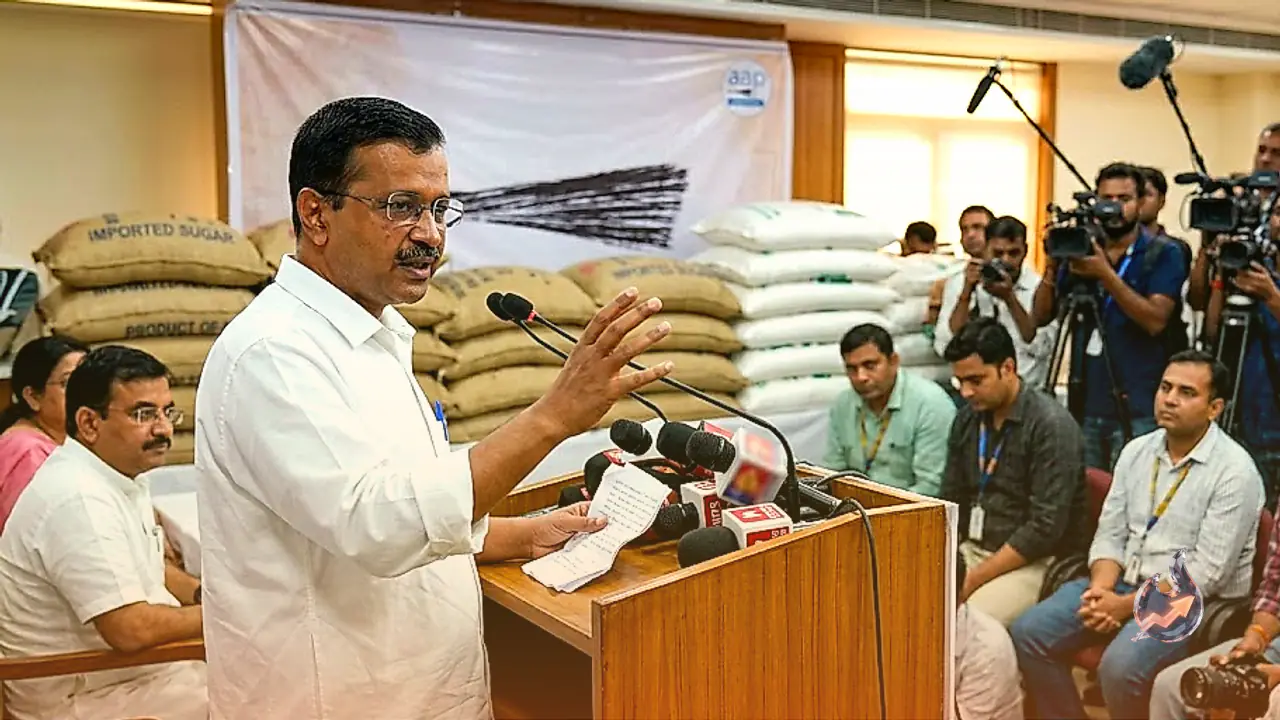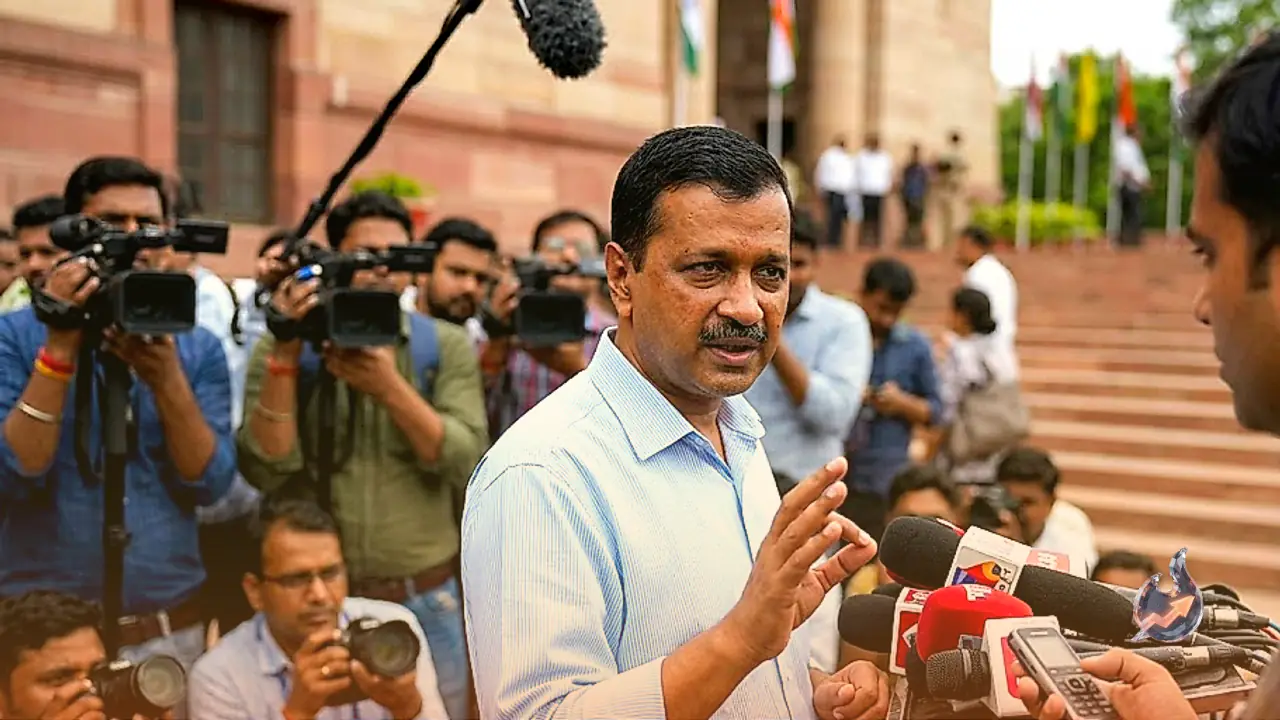





















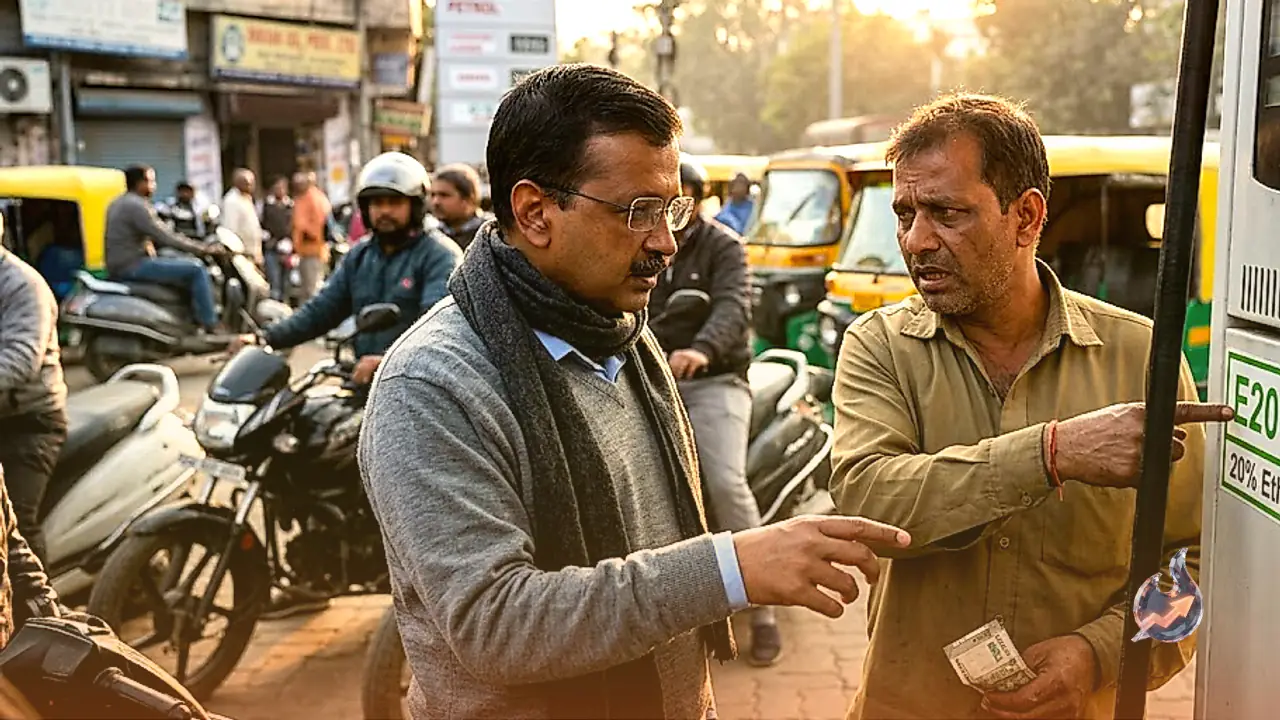

Arvind Kejriwal has taken to social media platform X to voice his strong opposition against the government's ongoing E20 ethanol blending initiative. Sharing an article on the subject, he challenged the government's narrative that the blending program acts as a mechanism to conserve foreign exchange. Kejriwal categorically stated that the decision to implement E20 is actually resulting in a higher outflow of foreign currency rather than providing the touted economic benefits.
Concerns Over Financial Impact
Beyond the fiscal arguments, Kejriwal highlighted the immense costs and logistical challenges imposed upon the public. He emphasized that the policy offers no tangible advantage to the common man, instead creating a cycle of harassment for vehicle owners. His primary contention is that the entire project is burdensome and fails to address the needs of ordinary citizens who are forced to bear the brunt of what he describes as faulty policy implementation.
Government Stance and Clarifications
The government maintains that its E20 strategy is backed by extensive trials and adheres to globally accepted best practices. In recent statements, officials have moved to debunk viral claims concerning water usage and potential engine damage. The government has explicitly assured the public that the use of E20 fuel is safe and will not lead to the invalidation of vehicle insurance policies, aiming to quell lingering public concerns regarding technical risks.
Public Sentiment and Protests
The debate surrounding ethanol blending is intensifying as more people question the lack of ground-level reality check before the nationwide rollout. Critics and common vehicle owners alike are pointing to reports of reduced fuel efficiency in millions of older vehicles, which they argue directly impacts the pockets of the middle class. The dissatisfaction is reaching a point where organized protests are scheduled, including a sit-in at Jantar Mantar. Public reaction remains largely critical, with citizens continuously demanding transparency from the government regarding the true safety of the fuel and questioning why the cost of ownership is being increased without a clear, justifiable benefit.