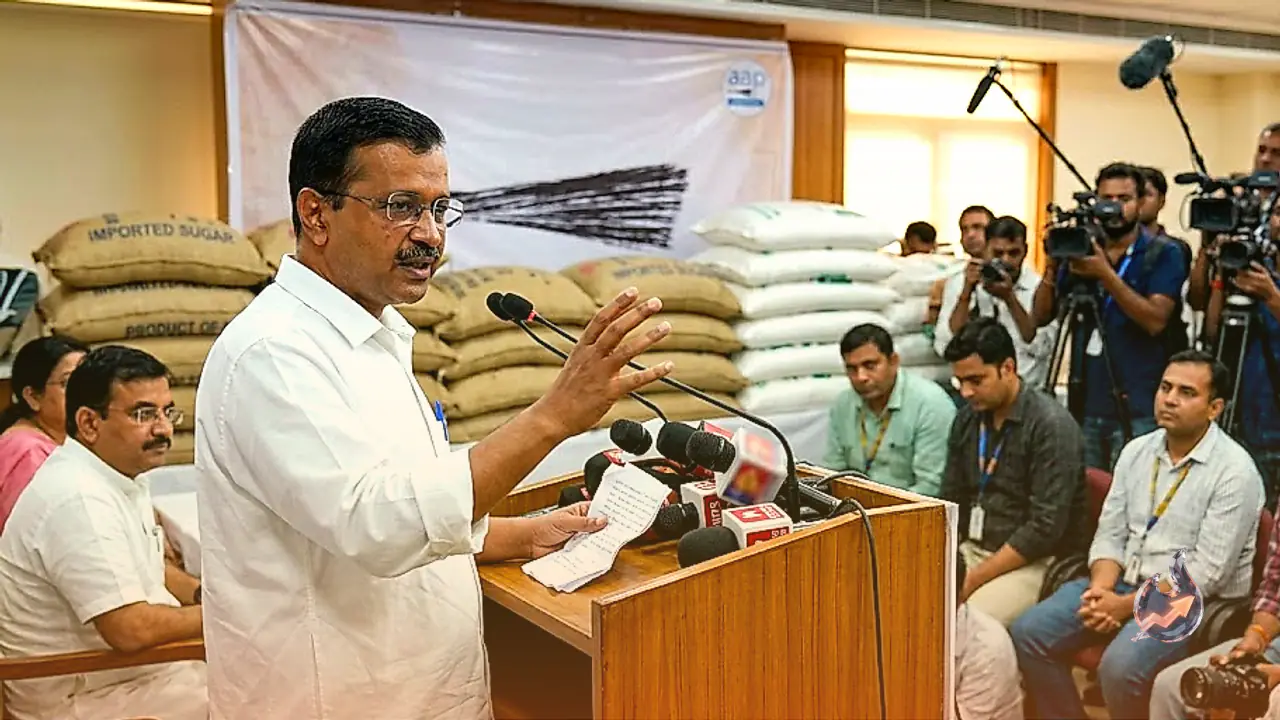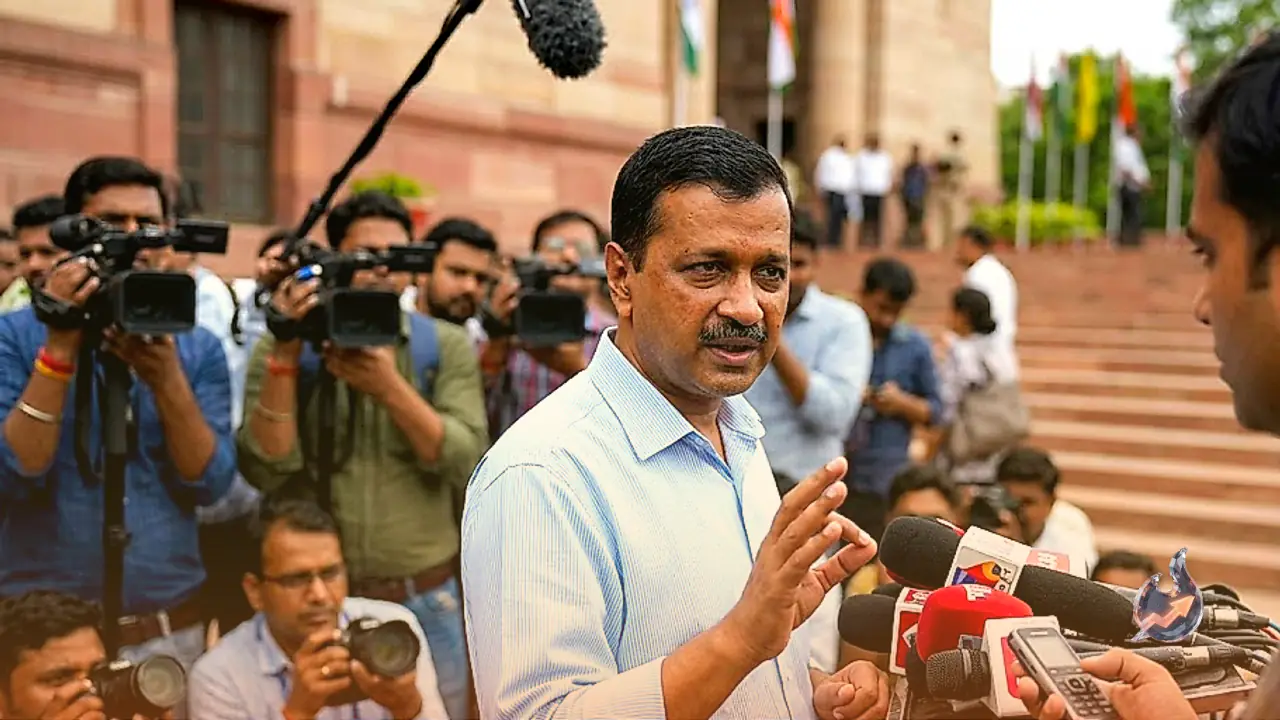






















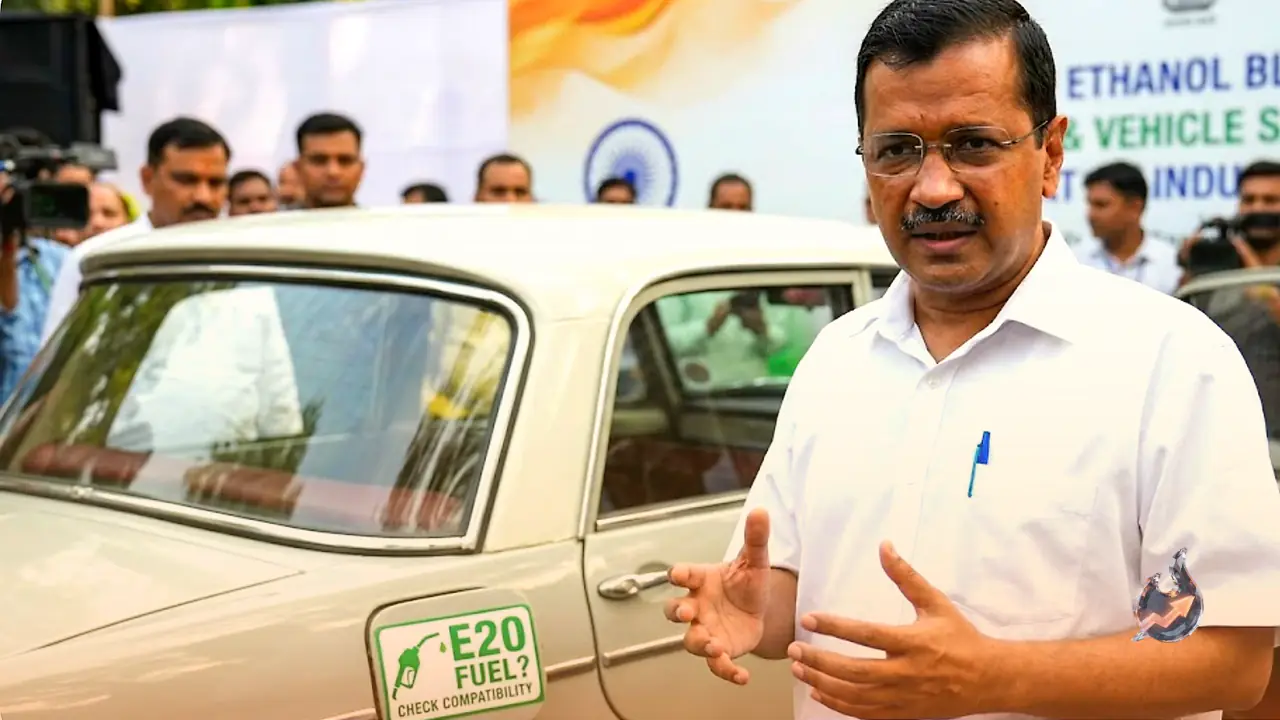

Arvind Kejriwal has shared a video post on the social media platform X. Through this update, he has raised significant questions regarding the central government's policy of mandating the use of E20 fuel, which consists of a 20 percent ethanol blend in petrol. His post serves as an invitation for the public to watch a press conference that addresses the various critical aspects of this contentious fuel policy.
Concerns regarding engine integrity and vehicle safety
The implementation of this new fuel mandate is increasingly becoming a source of distress for vehicle owners across the country. A major concern is that older engines were not originally engineered to process E20 fuel effectively. There is widespread apprehension among experts and everyday drivers that this specific fuel blend leads to significant issues such as internal engine corrosion, degradation of fuel lines, and a noticeable drop in overall fuel efficiency. With approximately 300 million vehicles currently on Indian roads, a substantial portion of which consists of older models, the transition poses a direct threat to the longevity and functional health of these engines.
Demands for consumer choice and policy criticism
There is a growing chorus of public demand for the government to ensure that E0 or E10 fuel options remain available at petrol pumps. Citizens argue that they should retain the freedom to select fuel that is compatible with their specific vehicle requirements. Critics maintain that forcing this policy onto the public without sufficient preparation, testing, or the provision of engine modification kits amounts to an unfair burden on vehicle owners. Furthermore, there are environmental and resource-related concerns regarding the massive amounts of water utilized for sugarcane production to create ethanol. Many point out that fuel wastage caused by poor road infrastructure and persistent traffic congestion significantly outweighs the potential environmental benefits, urging officials to prioritize improvements that would prevent the daily loss of millions of liters of fuel.
Public reaction
The public response to this issue has been highly critical, with citizens expressing deep frustration across social media channels. Most individuals are demanding transparent accountability from the government and are pushing for the availability of alternative fuel grades to ensure the protection and reliability of their personal vehicles.